

Return of the Thin White Duke: David Bowie’s Station to Station Turns 50
Looking back on a real cocaine classic
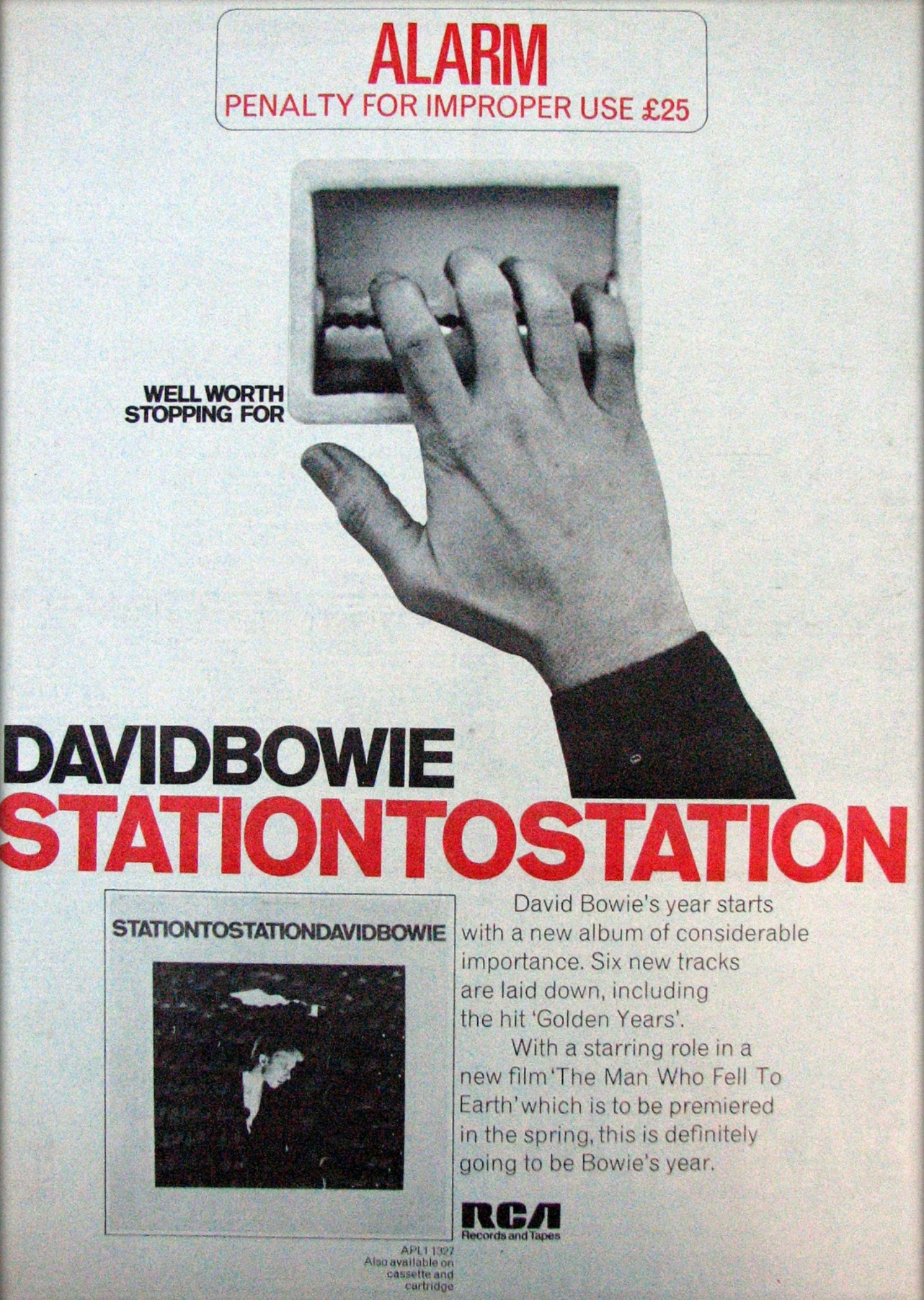
Thin and white though he was, the purity of Bowie’s complexion and physique could never compete with a line of cocaine.
So his Thin White Duke persona wore, well, thin. Ironic sympathy for fascism in interviews he gave while trying to mock and master Black music at the same time by synthesizing an alloy dubbed “plastic soul” — this rickety proposition might’ve at least made for incisive satire if he wasn’t coked out of his gourd. And I’m sure a steady diet of “milk and peppers” didn’t help either. Proto-edgelording (maybe) aside, this was the blueprint for David Byrne and Bono, to say nothing of Madonna and Lady Gaga, any commentary-prone pop chameleon to follow. Simply put, Bowie very well may have invented the “persona” itself in pop, the idea that an auteur of hit songs could wear a mask and then multiple ones. The idea of pop drag even. Unless you count the Beatles putting on fake moustaches.
It was silly, it was provocative, it was a silly provocation. It was a man who wanted us to believe he fell to Earth. The same one who lost contact with Ground Control the same year we made the actual first moon landing? Or was that the glam-rocker sent here to stop the apocalypse laid out in Ziggy Stardust’s “Five Years?” The beauty of it is, even Bowie didn’t know. The thin white duke totally scotched his memory of making Station to Station, the concrete evidence that all these hallucinogenic delusions and half-baked concepts ever happened. And it’s a credit to the man’s extraordinary level of artistry (and maybe his handlers) that instead of the mess being a widely reviled Be Here Now excess, it’s an incredible record. In fact, it might be greater than the sum of his entire career if you discount the strong theory put forth by Changesonebowie that he was a dynamite singles artist masquerading (ha) as a strong, flawed, visionary album-maker.
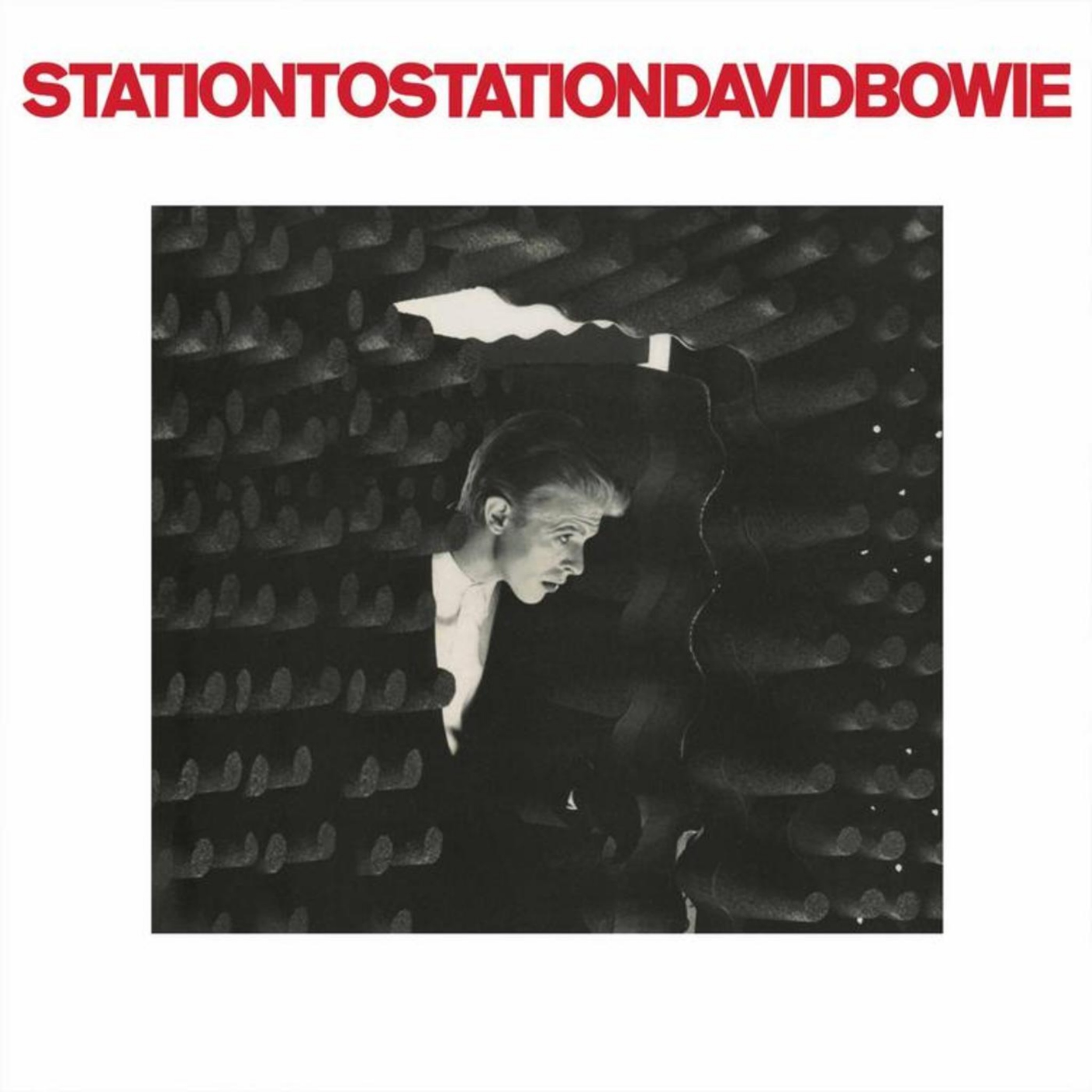
Partly, the “plastic soul” was less fetishistic by 1976. “Young Americans” and “Fame” were all-time songs off a not-so-hot album, but even they had a sneer to them that Bowie’s impassioned “Young Americans” vocal couldn’t quite negate. Station to Station, luckily, had other things (heroin) on its mind, so the murky waters it traversed made it more original and less like a musical costume. No sax frills or backup choirines, no Luther Vandross or David Sanborn to aid and abet him failing upward on Soul Train (just kidding, it ruled). Funk was long-established as a plentiful resource, disco was coming into flower with the sort of wacko energy Bowie was down to siphon from anywhere. Station to Station was a “weird” album for sure; the title opener was ten minutes and “TVC 15” made a New Orleans funk epic out of a blurry Iggy Pop’s vision that the TV vored his girl.
But the meanings (“it’s not the side effects of the cocaine / I’m thinking that it must be love”) were in the grooves. For once this entrancingly awkward, stage-dominating alien was so clouded in mind that the music was all body. A good thing since at 80 pounds he kind of needed one. So even “Wild Is the Wind,” the kind of flowery ballad that closes, is eventually propelled by dancefloor bass that snaps and crackles while everything else pops.
VIDEO: David Bowie “TVC 15” live at Live Aid
The melodica on “Station to Station” gives each line of its mean vamp an extra frill like prog got served. Robert Christgau once said the best he could do with “TVC 15” was that it merged “Lou Reed, disco and Huey Smith” and there’s no real digging up anything closer than that. The astonishing “Golden Years” revealed where “Fame” was hiding all its chord changes. Even the most Eno-esque proposition of the six tunes, “Word on a Wing” had one of those up its sleeve, and some Huey Smith in there, too. Congas gave it that Elton John Rock of the Westies touch while making “Stay” a gentrified Curtis Mayfield epic for the ages. Despite the problematic promo tour, this was a much healthier conversation with Black music. (Only thing “healthy” about it, really.)
While revered like most ‘70s Bowie, Station to Station gets slightly sidelined by the Pitchfork era in favor of the Berlin trilogy, which is, yes, weirder, and less consistent: Low is great, “Heroes” a thought experiment to reviewers if you omit the title track, and Lodger a surprisingly normie, surprisingly underrated conclusion.
These visionary jams were good songs, for once an acceptable product of good drugs. And then he fell to Earth.

- Guess Who’s Coming: DJ Shadow’s ‘Endtroducing…..’ Turns 30 - September 16, 2026
- Where It Got Them: R.E.M.’s ‘New Adventures in Hi-Fi’ Turns 30 - September 10, 2026
- Off They Go: Pearl Jam’s ‘No Code’ at 30 - August 28, 2026
You May Also Like
-
 September 9, 2018
 -
 June 21, 2018
 -
 May 24, 2024
