

Why The Power Station Were the Best Supergroup of the 1980s
How a new box set resurrected their legacy over 40 years later
Supergroups have been a thing since the Million Dollar Quartet cut a jam inside Sun Studios in 1956.
By 1985, however, the concept of the supergroup had largely been usurped by the big wigs of prog and arena rock with the formations of such combos as Asia, The Firm and HSAS, transforming the idea into more of a punchline than prominent venture.
So when The Power Station first formed back in 1984 — originally comprised of art soul singer Robert Palmer, former Chic drummer Tony Thompson and Duran Duran’s John Taylor and Andy Taylor on bass and guitar, respectively — they brought something new to the conversation.
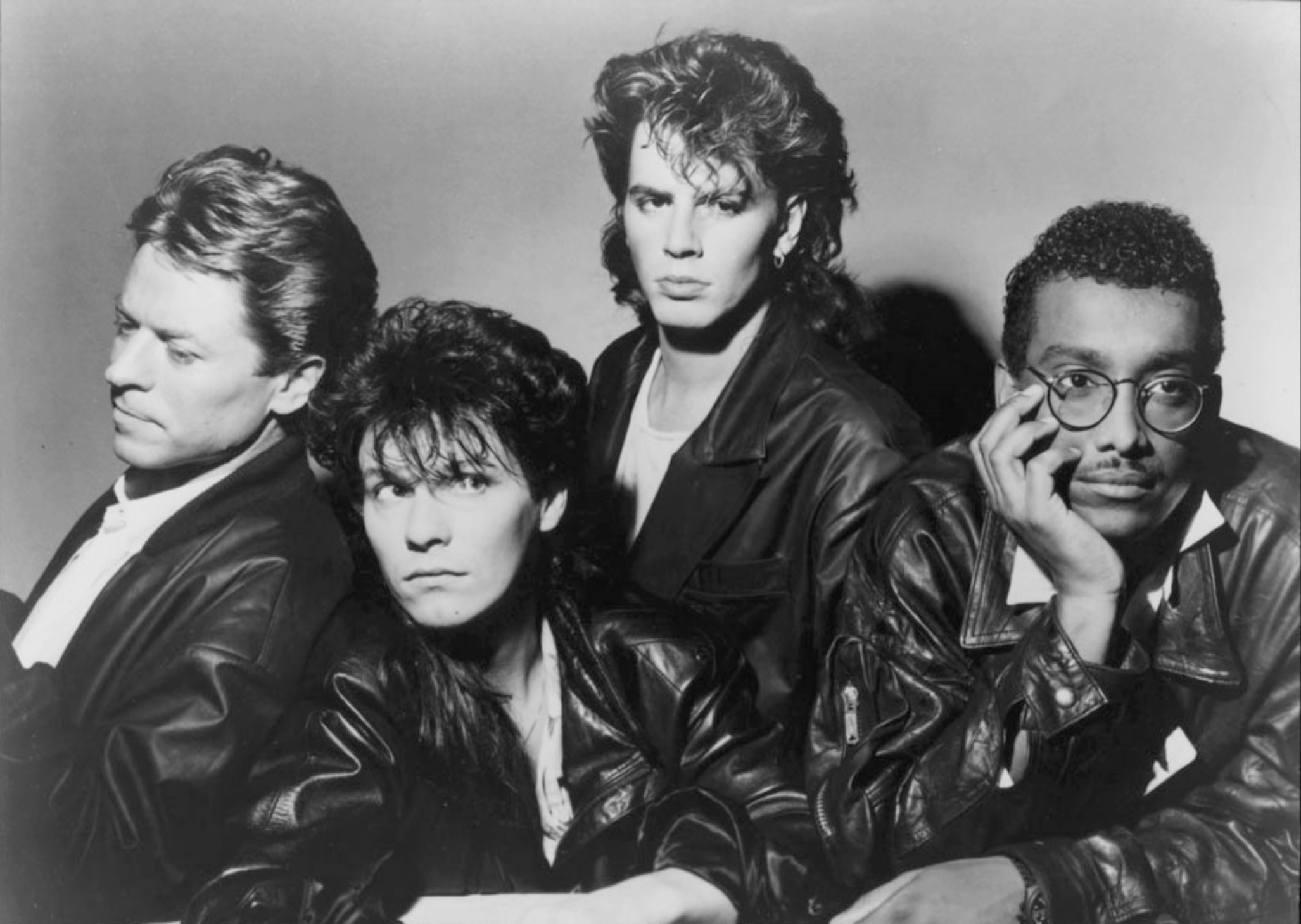
They initially got together after Duran Duran went on hiatus following the release of their smash third album Seven and the Ragged Tiger, which also saw frontman Simon Le Bon and keyboardist Nick Rhodes forming Arcadia and releasing one perfect album in So Red The Rose. But where Rhodes and Le Bon explored the more esoteric elements of their primary band, the Taylors were itching to flex their aptitude in the hard rock sound they loved behind the scenes. The addition of Thompson, however, lent a funk-flavored edge to them that set their style apart from the competition at the time, especially with the inclusion of a killer horn section made up of Lenny Pickett (the future musical director for Saturday Night Live), Mark Pender, Stan Harrison, “Hollywood” Paul Litteral and Mars Williams of The Psychedelic Furs.
VIDEO: The Power Station “Get It On (Bang A Gong)”
According to lore, the group first got together to be the backup for model Bebe Buell for a cover of T.Rex’s “Get It On” that never moved beyond the demo stage. That junction led to the scrapped plan to make The Power Station — named after the famed studio in New York City — a one-off project where the trio of the Taylors and Thompson providing sonic backing for a rotating cast of singers that would include the likes of Mick Jagger, Billy Idol and Richard Butler of the Psychedelic Furs among others.
However, once they got together with Palmer — a year removed from the recording of his underrated seventh LP Pride — for runs through the song “Communication” and “Get It On” (at Palmer’s request), the trio chose to record the whole album with him. The Power Station LP, at eight songs, would become a smash upon its initial release on March 25, 1985, propelled by its lead single “Some Like It Hot,” which would peak at No. 6 on the Billboard Hot 100.
VIDEO: The Power Station “Some Like It Hot”
“What we really wanted to do was put this drummer out there in a way that we felt he deserved, so that song particularly was sort of designed to really showcase Tony,” John Taylor told The A.V. Club in 2012. “I flew to Nassau in the Bahamas, which was where Robert Palmer lived at the time, and played him the demo that Andy and I had written and said, ‘We’ve got this idea that we’re calling “Some Like It Hot”.’ And he just looked at me and said, ‘And some sweat when the heat is on.’ I was, like, ‘Yes! That’ll do…'”
Yet when it came time to tour the album, Palmer couldn’t join his mates on the road, because he was just starting work on Pride’s follow-up Riptide, which would set the singer on his own rocket ride to the top of the charts upon its release in November of ‘85 (and would feature contributions from Thompson, Andy Taylor and Chic bassist Bernard Edwards, who produced both the first Power Station album and Riptide).
Enter English singer Michael Des Barres of the underrated British glam act Silverhead and the late 70s English-American rock band Detective, who joined the touring version of The Power Station on the heels of his successful co-write with Holly Knight on the 1983 song “Obsession,” which would become a huge hit for the Los Angeles synthpop group Animotion the following year.
“I got a phone call,” Des Barres tells Rock & Roll Globe over Facebook Messenger. “I was in New Orleans. I flew to New York. I was met in New York with a limousine and taken to an office building in New York City, where John Taylor and Tony Thompson greeted me in an office. They asked if I would like to replace Robert Palmer. I measure he said Robert Palmer is impossible to re-create. I am a rock ‘n’ roll singer. He’s an R&B singer. They looked at each other and said would you please fly to London and sing for Andy Taylor. So I waited in a British studio after not having slept in 24 hours and sang ‘Get It On’ for Andy when he arrived five hours late! He enjoyed what he heard. I got back on a plane, had three days of rehearsal and did the biggest show that ever was performed called Live Aid.”
This past Friday saw the anticipated release of the deluxe edition of The Power Station LP in belated honor of its 40th anniversary. And what makes this four-disc collection such an essential get for fans is the cornucopia of bonus material contained within its clamshell that factors in the involvement of Des Barres as much as Palmer’s.
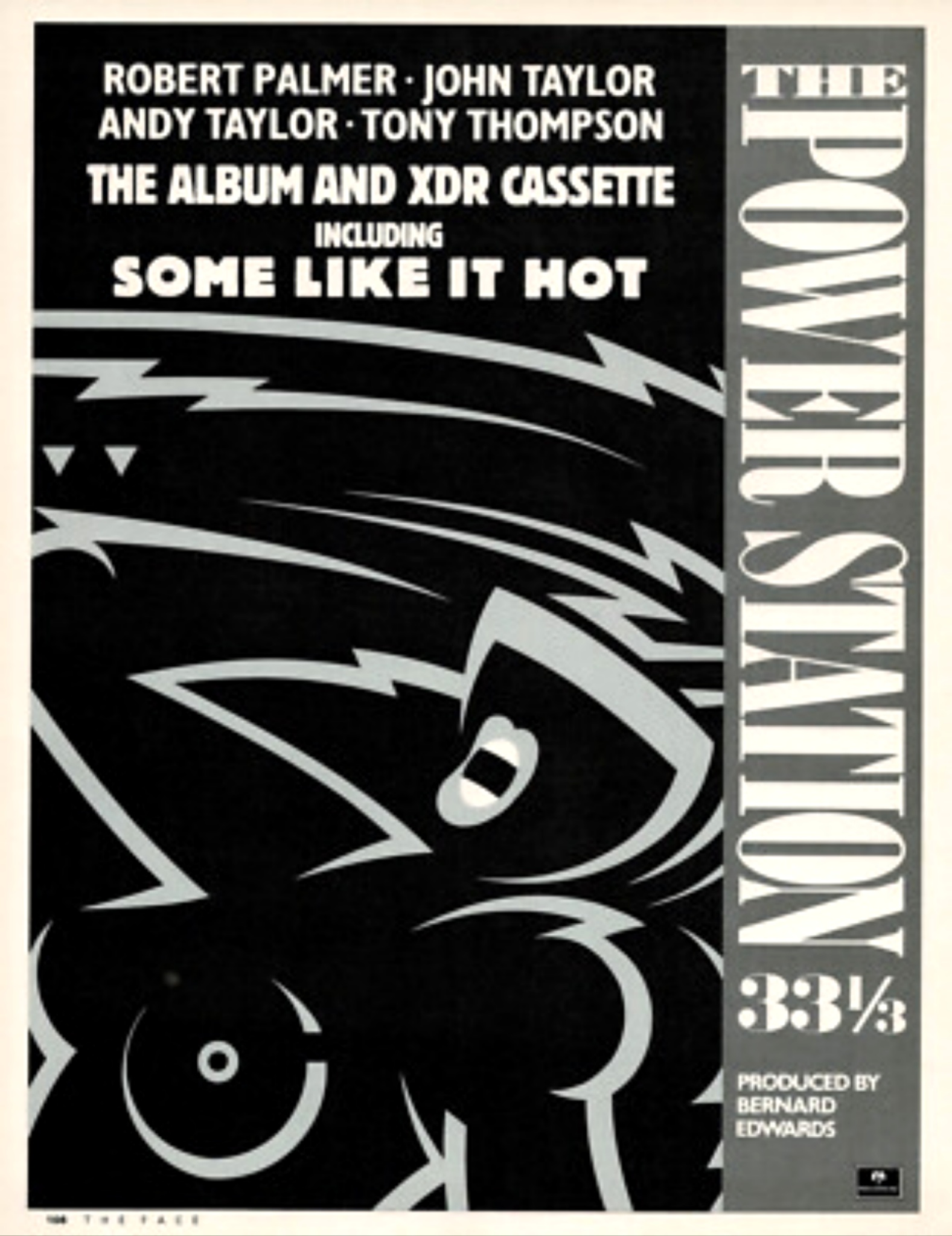
The first CD contains a remastered version of the original LP, further highlighted by rockers like “Murderess” and “Go To Zero” and the plastic soul ballad “Still In Your Heart,” and sounds fantastic.
The second disc, meanwhile, includes raw instrumental versions of seven album tracks, remixes and 7-inch versions of “Some Like It Hot,” “Get It On (Bang a Gong)” and “Communication,” recordings from the band’s aforementioned Live Aid performance and a rare studio track with Des Barres on vocals — “Somewhere Somehow Someone (We Fight for Love),” which The Power Station would record for the soundtrack to the 1985 Arnold Schwarzenegger star vehicle Commando.
The final two discs are dedicated to a previously unreleased concert album from the old Philadelphia Spectrum on Aug. 21, 1985. This great recording captures Andy Taylor’s pure savagery on the electric guitar as he got to live out his Jimmy Page fever dreams in ways he couldn’t imagine with Duran Duran. Plus, in addition to all eight songs from the studio album, the band also performs electrifying covers of Jeff Fortgang’s “Some Guys Have All The Luck,” made famous by The Persuaders, Rod Stewart and Robert Palmer himself, Duran Duran’s “Hungry Like The Wolf,” the Velvet Underground’s “White Light, White Heat” and a wild version of “Obsession” that stretches to 17 minutes.
AUDIO: The Power Station “Obsession”
“It’s been so exciting to dive back into the Power Station project after all these years,” said John Taylor in a press release. “We were an unusual crew, but we made a fantastic noise. Tony Thompson, the disco ‘clock’ behind so many massive hits, turned out to be one of the greatest rock drummers of all time. Andy Taylor, my Duran Duran bandmate, was absolutely on fire. Robert Palmer (why isn’t this man in the Rock & Roll Hall of Fame?) was a brilliant songwriter, sonic stylist, and vocal powerhouse. And yours truly — just trying to keep up.
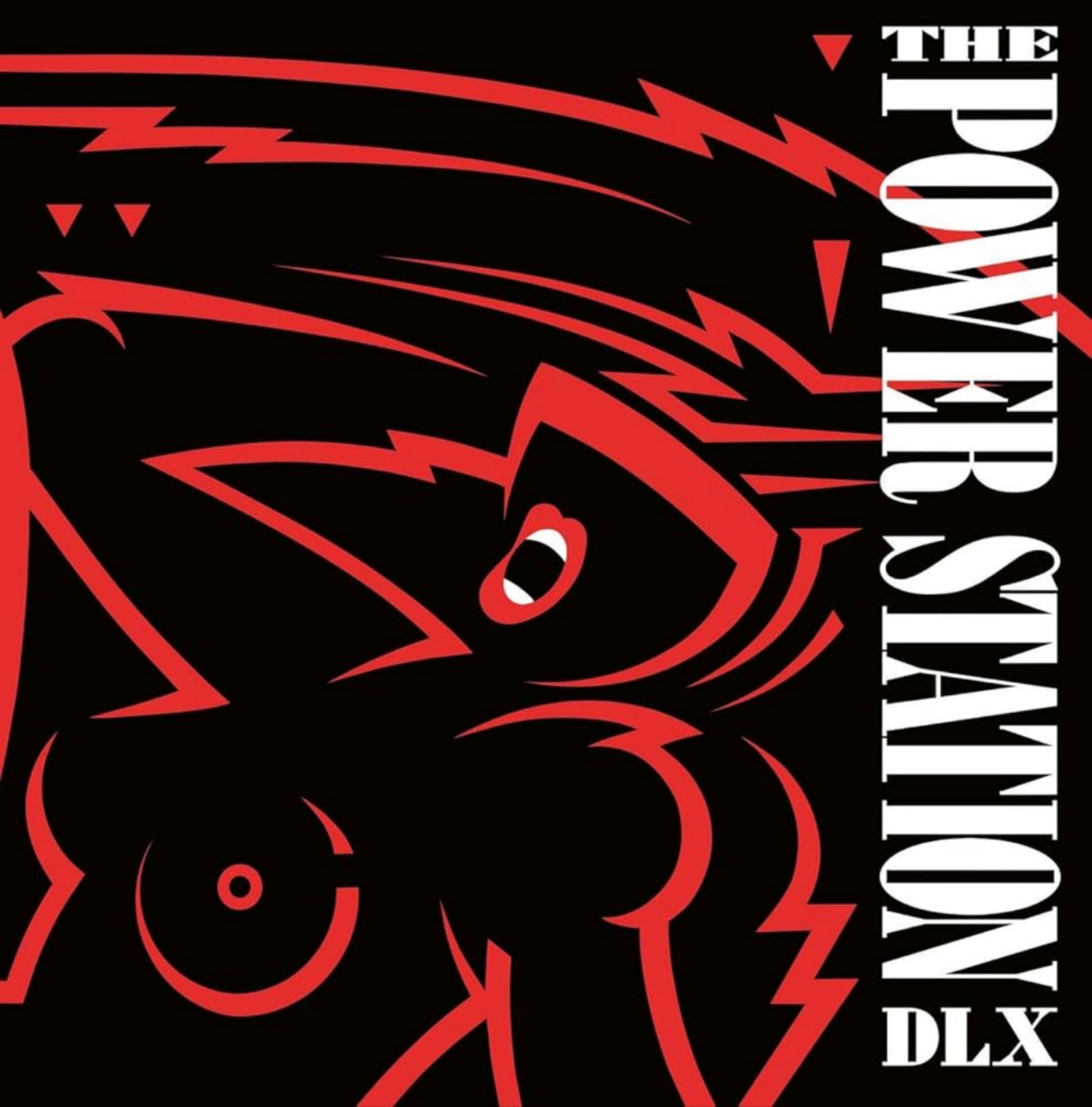
“It was a truly unique experience, and I’m proud of the work we created. I’m also super happy with this re-issue edition, which has been beautifully remastered with bonus tracks added, and a perfect refresh of the iconic artwork.”
Palmer would only perform with the band live once (Saturday Night Live, Feb. 16, 1985), and it would have been cool if NBC let them use it for this collection. Otherwise this deluxe edition of the first Power Station album (the group would reconvene in 1996 for a follow-up — Living in Fear — with Palmer returning and Edwards replacing John Taylor on bass) is a perfect way to refresh your memory as to who was the one true supergroup of the 1980s (sorry Wilburys fans).
The 40th anniversary deluxe edition of The Power Station is out now on Rhino/Parlophone.

- Artists Praise ‘Songs in the Key of Life’ for its 50th Anniversary - September 28, 2026
- Ringo Gets Back to the Garden - September 27, 2026
- Revisiting the ‘Magic’ of The Grateful Dead ’85 - September 24, 2026
You May Also Like
-
 March 20, 2023
 -
 September 9, 2018
 -

I dunno. Relistening to these it’s clear how strongly they defined a certain 80s synthetic sound, and I respect that. And Andy Taylor’s solo in Some Like It Hot was even greater than I remembered. But I’m still not hearing much heart, either in the performances or the songwriting. And Robert Palmer’s phrasing in Get It On always bugged me and still does — these clipped staccato takes on the wonderfully weird lyrics hits my ear wrong. T Rex/Marc Bolan is one of those artists that everyone wants to cover but no one should. (Van Halen is another). It’s just too obvious from the cover version what is special and sui generis about the original.