
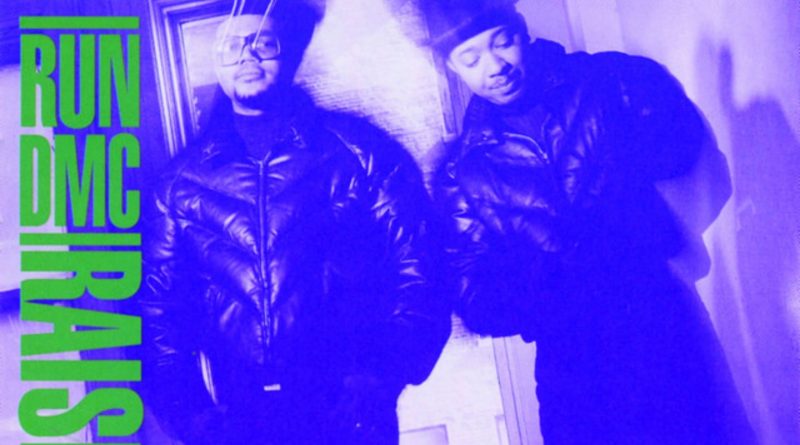
Talk This Way: Run-D.M.C.’s ‘Raising Hell’ Turns 40
Looking back on the Queens trio’s breakthrough 3rd LP
You can’t dance to it. Well, that’s a stretch.
But dance culture changed entirely once hip-hop came to fruition, mostly famously in breakdancing, one of hip-hop’s four essential food groups along with rapping, DJing and graffiti. Jay-Z pointed out unceremoniously in an interview this year that most of those pillars no longer exist, and you could tell he was itching to say something about today’s rapping, too. What Run-D.M.C. really did for the genre was divorce rap from the disco; maybe you could dance to their military-hard beats comprised entirely of drum machine and guitar stabs, but they didn’t care. Dancing to it was a “you” problem, and their rapidly spreading culture in NYC got real creative about it.
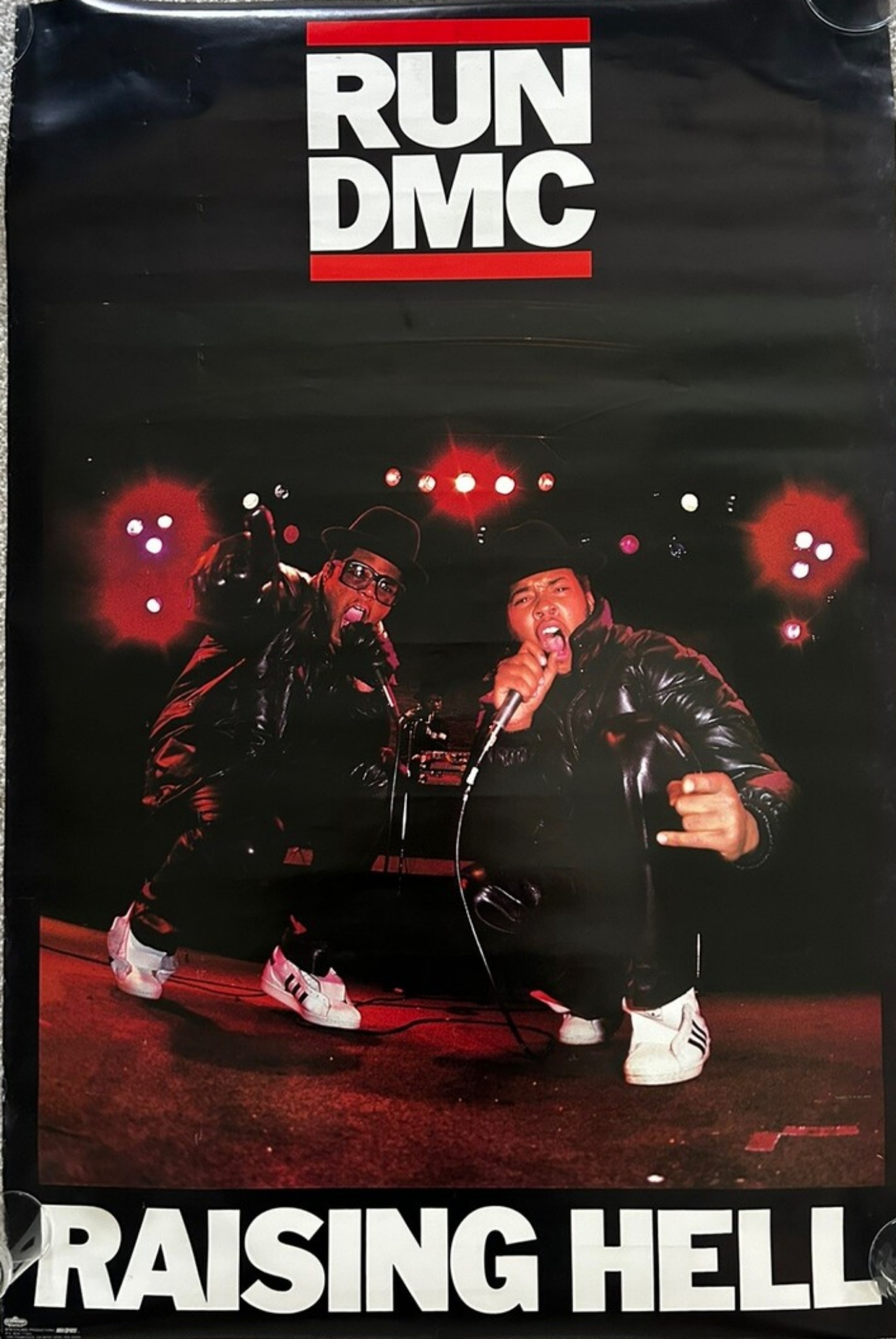
As for the eponymous duo and their DJ Jam Master Jay, they collectively declared themselves the King of Rock. They renewed fedoras’ cool license for another decade. They shouted each others’ lines and doubled up on punctuation and back-and-forthed their boasts and made toughness a principal component of Black music at a time when DeBarge and even a master shredder like Prince embraced billowing, silky fashions and voices. This is not necessarily here nor there as it took rap at least 30 years to recover from its masc insecurities, but they did sound and look cool in their Adidas.
AUDIO: Run-D.M.C. “My Adidas”
That’s what “My Adidas” is about. It’s impossible to not appreciate the simplicity of rap 40 years ago. LL Cool J’s “I Can’t Live Without My Radio” is about how he can’t live without his radio. “(You Gotta) Fight for Your Right (To Party)” is about the Beastie Boys fighting for their right to party (and to be even more unruly with parentheses). “You Be Illin’” is about how you be illin’. But listening back, Run-D.M.C., and therefore rap itself, made monumental strides in three years over three albums. Their third and biggest, Raising Hell, is vastly looser and funkier and more on the greased-up ball rhythmically than the stark welcome Run-D.M.C. or the following year’s retread King of Rock.
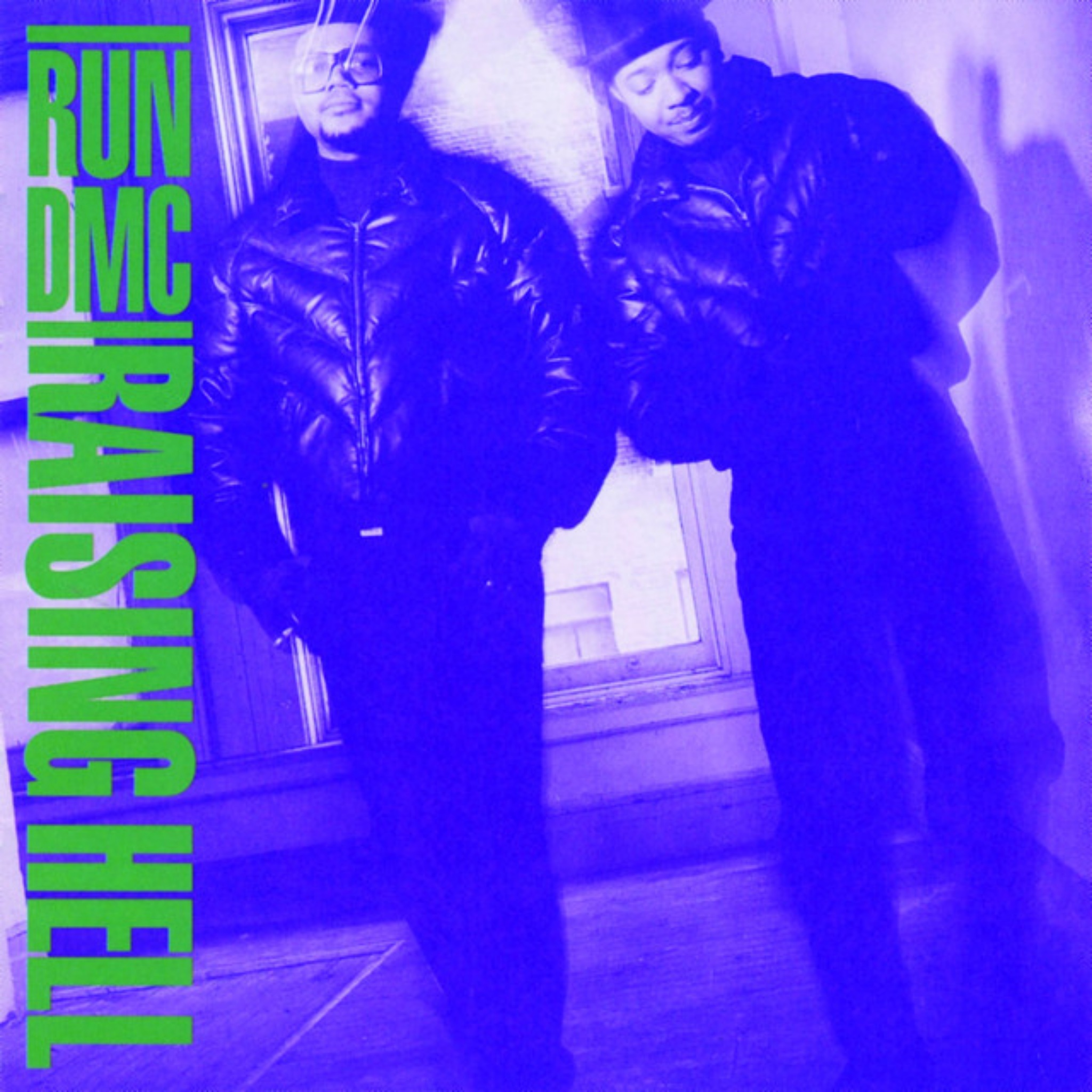
Compare 1984’s rat-a-tat introduction “Hard Times” to the scratched-in bells of “Peter Piper,” one of the most famous and resampled pieces of music the genre has ever enjoyed. Forty years later, the duo can be heard finishing each other’s punchlines like Abbott and Costello or musically starting up like Mick and Keith. Their strength as a double act is a lost art; Rev Run’s 2005 solo bid Distortion is actually pretty rocking, but they did not rhyme as competitors. Run-D.M.C. championed being a team with verbal layups and celebrated with riffs. Any oneupsmanship was sportsmanship. Not that something called Raising Hell could get too wholesome, not with Jack Be Nimble on Jay’s dick in the opener or Steven Tyler slyly changing up “Walk This Way” to exhort “just give me some head” on their mutually beneficial MTV breakthrough.
VIDEO: Run-D.M.C. feat. Aerosmith “Walk This Way”
On the squealing shuffle “My Adidas” and the Knack-nicked “It’s Tricky” you can separate the two about as well as Migos, which is why their 1991 best-of was called Together Forever. Raising Hell is their liveliest context because their skilled evolved to step up to a groove, whether it’s the Latin percussion of “Is It Live” or the it-is-live “Perfection” that answers it in turn, or the James Brown brass moves at the end of each title recurrence in “You Be Illin’.” The a cappella “Son of Byford” is arguably the hardest 27 seconds in their catalogue, followed by a simple-enough political sentiment, “Proud to Be Black,” that still means so much. Fitting right in is the title track, the latest in their lineage of “Rock Box” and “King of Rock” that proudly presents guitar crunch in concert with their own slamming declamations. They were also proud of inserting themselves in rock’s history by pulling Aerosmith into the present. “Walk This Way” has always been salacious, cheesy fun, why shouldn’t rap’s first rockers have it, too?
VIDEO: Run-D.M.C. “It’s Tricky”
Even before gangsta and shiny suits and crunk and trap took over, Run-D.M.C. felt quaint and foursquare, which doesn’t diminish their fun appeal. Elemental’s no problem when you’re rap’s Ramones, staying classic by immediately imitating yourselves, and proclaiming your New York duds Tougher Than Leather lest anyone doubt. Unlike a lot of really old-school rap, the fun they had can really be heard, in how hard they rocked, bellowing in unison, cracking corny jokes (“small fries, big mac!”) and striking poses like young men who want to be noticed on the street. Occasionally they struck gold at a higher level of complexity (“Beats to the Rhyme,” “Down With the King”) but Run-D.M.C. are as straightforward as Bob Seger or Motörhead despite having pioneered their own style completely.
It’s a fun coup for traditionalists, especially ’70s rockers who’d eventually share a stage with Kid Rock. They also foresaw enough to collaborate with Tom Morello as early as 1993.
Cover or original, no one else walked this way.

- Guess Who’s Coming: DJ Shadow’s ‘Endtroducing…..’ Turns 30 - September 16, 2026
- Where It Got Them: R.E.M.’s ‘New Adventures in Hi-Fi’ Turns 30 - September 10, 2026
- Off They Go: Pearl Jam’s ‘No Code’ at 30 - August 28, 2026
You May Also Like
-
 April 12, 2023
 -
 October 28, 2018
 -
 September 5, 2018
