
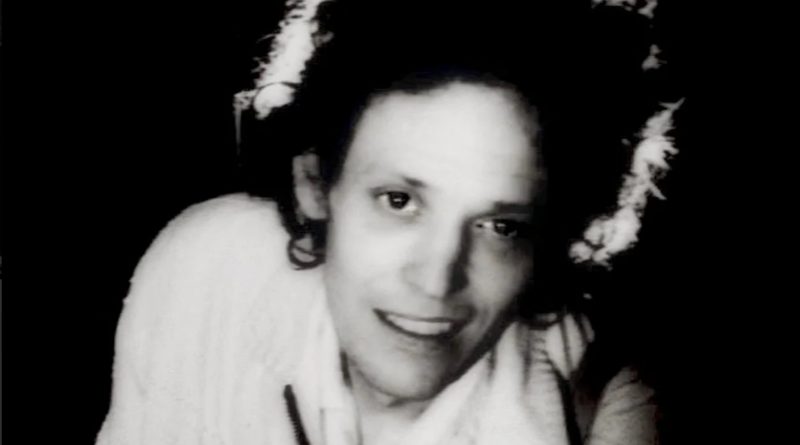
Slim Dunlap Forever
How a new anthology cements the legacy of a Minneapolis rock legend
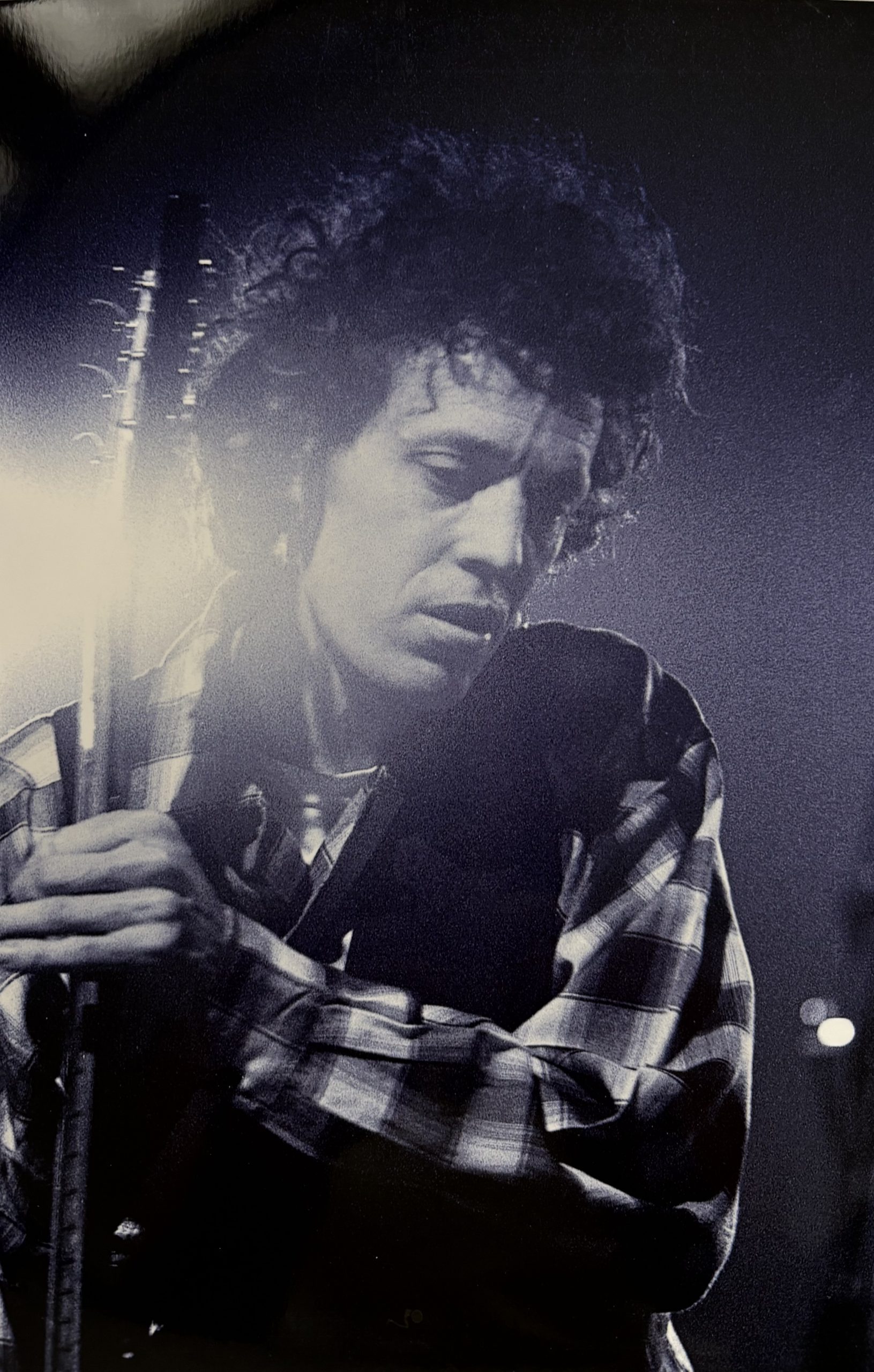
It was 50 years ago when Peter Jesperson first saw Bob “Slim” Dunlap onstage.
And even back then, the longtime manager of The Replacements knew he was in the presence of a real scholar of the rock ‘n’ roll sound.
So after The Mats broke up in 1991 and quickly went on to working on their respective solo albums, it shouldn’t be a surprise that Jesperson signed Slim to Medium Cool Records, a subsidiary of the iconic Twin/Tone imprint that helped define the Minneapolis/St. Paul rock scene in the ’80s.
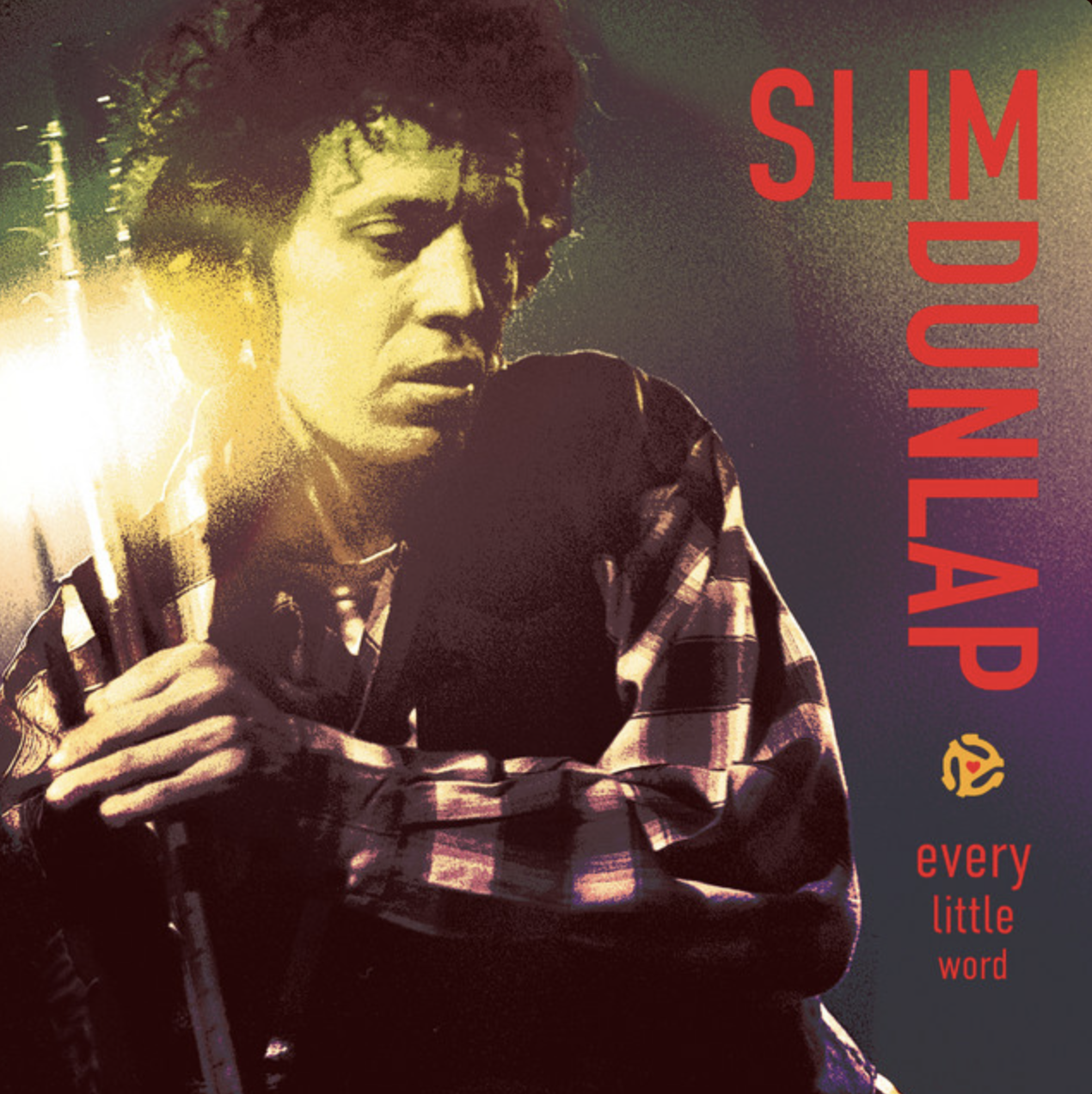
Slim released two excellent albums in the ’90s in 1993’s The Old New Me and 1996’s Times Like This, both of which have been remastered and reissued in a brand new anthology on Curation Records called Every Little Word. Each LP is amended with bonus material, including outtakes, alternate versions and live cuts from his active years.
Sadly, we lost Slim in 2024 from complications following a debilitating 2012 stroke. But thanks to the existence of Every Little Word, his legacy as one of the true greats of Twin Cities rock history is solidified in silver in the finest fidelity you’ve heard these songs yet.
Rock & Roll Globe had the opportunity to chat with Mr. Jesperson about this fantastic new anthology and his history with Slim.
You first heard Slim play guitar in 1976. What was the music scene like in the Twin Cities 50 years ago?
The Twin Cities was primarily a ‘cover band town’ in 1976, not many artists/bands were performing their own material. But small, underground type venues began popping up with more open booking policies. Places like One Groveland and a basement space called The Blitz Bar are two in particular that I remember. Then, June 1st, 1977, a club in downtown Minneapolis called The Longhorn opened up (conveniently, right across 5th Street from the Blitz) and booked and encouraged groups that wrote their own songs. That was a real game-changer, it helped the scene develop very quickly.
What kinds of recordings are available of Thumbs Up, Jumbo Shrimp and The Sentimentals? How did these bands define Slim in the pre-Mats days?
Thumbs Up was one of the first groups Twin/Tone signed. But by the time they’d finished recording their debut EP, there had been a couple of line-up adjustments, and they changed their name to Spooks. There is just one release by them under that name, a 6-song EP released in 1978. From then on, that group of musicians led by Curt Almsted and Bob Dunlap mostly worked under the name “Curtiss A.” The only recordings of Jumbo Shrimp and The Sentimentals are live ones.
VIDEO: The Replacements “I’ll Be You”
What did you feel Slim brought to The Replacements upon joining them in 1987?
Slim brought a level of precision to The Replacements, which fit in well with the more sophisticated material Paul Westerberg had begun writing. Slim was not the wild-man that the band’s original guitarist, Bob Stinson, was and didn’t try to copy him.
When the Mats split up and began making their own records, what led you to working with Slim and signing him to Medium Cool? You put out a lot of cool stuff on that label, no pun intended!
I’d seen Thumbs Up and Spooks many times in the late 70s and I was smitten with them. In their live sets, Slim/Bob did a couple of songs he wrote that I really liked, and it got me thinking, “I wonder if he’d want to make an album of his own someday?” When I first broached the subject with him, he always said something to the effect of, “Nah, you don’t want an album from me.” He actually liked being in the background, and never saw himself as a “frontman.” But I kept asking periodically, and encouraged him to consider it.
I started Medium Cool (as an imprint of Twin/Tone) in the spring of 1991. I’d had substance abuse issues, got clean, and wanted to sort of signify a new chapter in my life. The first two bands I signed to the label were The Leatherwoods (two Kansas boys who’d moved to Minneapolis) and The Dashboard Saviors (from Athens, GA). As you probably know, the Replacements broke up after a show in Chicago on the 4th of July, 1991. Which meant Slim was now a “free agent,” and I thought he might be more receptive to the idea of making his own record. I approached him again, and after several discussions, he accepted my offer.
Thank you for the compliment on the label Ron! I made 13 albums with several different artists between 1991 and 1998, and I’m very proud of them all.
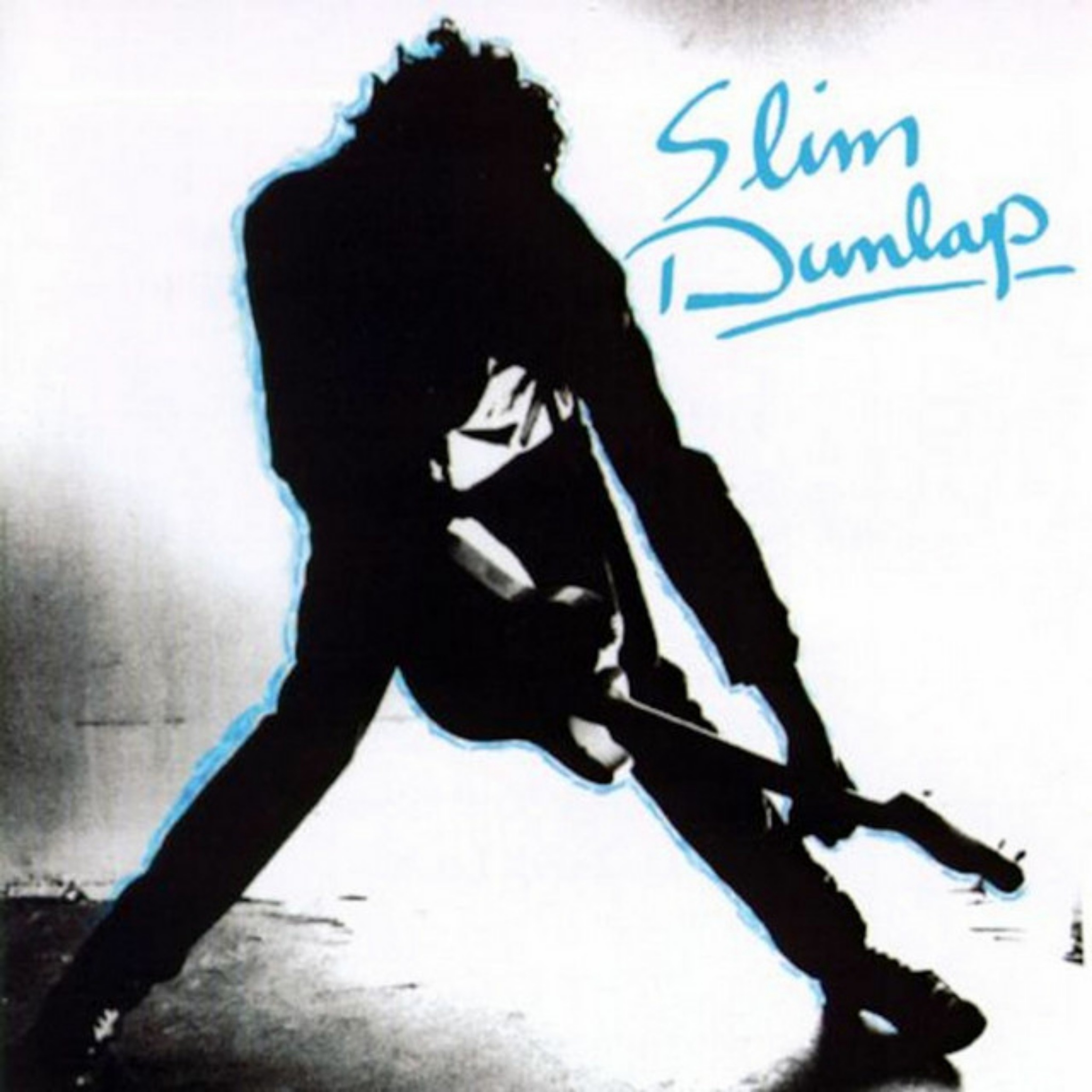
What do you think it was that finally convinced Slim to record with you? How does it feel to listen to The Old New Me 33 years later?
I’d say Slim was convinced to record with me because of two things — No. 1: Being in the Replacements and touring the world helped to build up his self-confidence. And No. 2: Being in close proximity to a brilliant songwriter like Paul Westerberg, rubbed off on Slim. He began writing more, and his songs just kept getting better and better.
I also think part of the reason Slim finally acquiesced was that, over the years, he and I had become close friends, so there was a level of trust between us that made him feel comfortable with the idea of making an album of his own with me.
Listening to The Old New Me all these years later has been a tremendous experience. I think the album has aged well, and I like it even more now than I did when it was first released. A big part of the reason it hits me so hard is the remastering work done by engineer-extraordinaire, Justin Perkins, at Mystery Room Mastering. When he sent me his first pass at remastering and I cranked it up on my stereo system, the opening track, “Rockin Here Tonight” came on, and brought tears to my eyes. It sounded so great! I think both albums sound better now than ever before.
What was it like recording the album in the Ryko building? Did you score any good promos?
It was an absolute joy to record in the Rykodisc office! As I mentioned in the liner notes, there was a “while the cat’s away” feel to the sessions, like we were doing something slightly mischievous. And engineer/co-producer Brian Paulson has always had a terrific ‘bedside manner,’ that was relaxed but always workmanlike.
Funny you should ask about promos! Yes, I was let in to the Promo Closet and took a pretty sizable number of them!
What are your thoughts on Times Like This?
I wasn’t present for the Times sessions as I’d moved to LA by the time Slim started working on it in 1995. But the engineer on that album, Tom Herbers, kept me in the loop on the recordings, sending rough mixes to me on a regular basis. We used three different studios for that album. But Slim also did a lot of work in his basement ‘laboratory,’ which brought out more ‘weirdness,’ and served the album very well. It’s a wonderfully idiosyncratic record, and every bit as strong as the first one in my opinion.
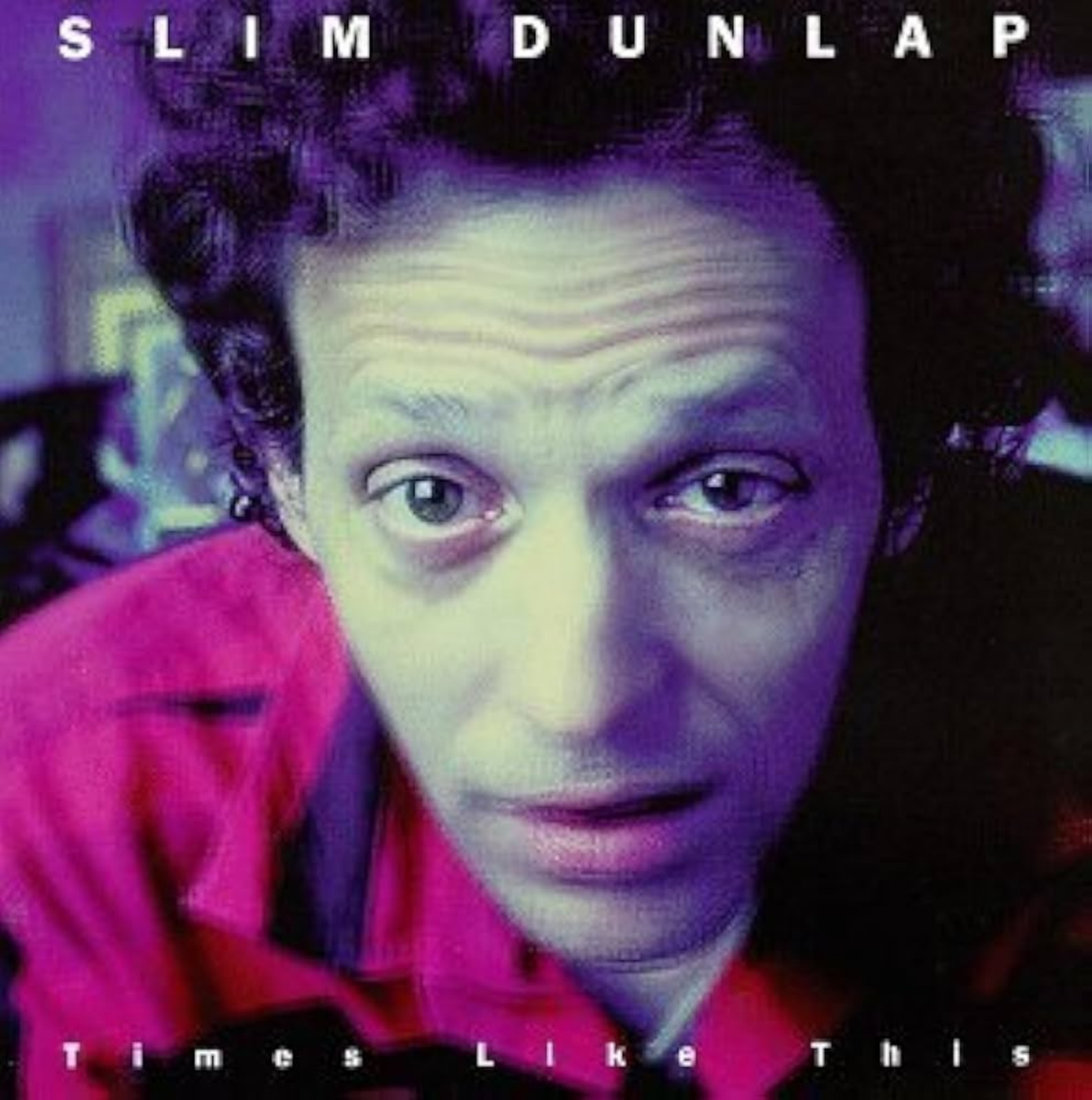
What was it about the outtake “Every Little Word” that inspired you to name this Anthology after it?
Actually, calling the compilation Every Little Word was Chrissie’s (Slim’s wife’s) idea. I originally thought we should call it something I heard Slim say at one of the sessions: “I’m an imperfectionist.” So I proposed we call it Imperfectionist. But Chrissie, and daughter Bee, won me over in the end, because it really does literally apply to the comp. We turned over every rock to find the very best, releasable recordings of as many of Slim’s original songs as we could possibly find, so there’s a ‘comprehensive quality to the collection … it is nearly “every little word” that Slim managed to capture on tape — in a studio, in the basement, or live. And also, the song “Every Little Word” is, to my ears anyway, one of Slim’s three or four best songs and performances ever. And although Slim wasn’t a huge Neil Young fan, to me “Every Little Word” is reminiscent of one of Neil’s most affecting songs called “Will To Love.” There’s a solitary air about it, like you’re eavesdropping on someone’s most private thoughts.
Beyond the bonus material, how do these remastered versions of The Old New Me and Times Like This differ from the ones that were released on New West?
As mentioned above, the remastering of both albums is so incredibly well done, they pack more of a punch; also, modern technology allows us to make sonic improvements without altering the original feel of the records.
In regards to the bonus material, how did you go about selecting what to use? Was there a lot to choose from?
Slim wasn’t a prolific songwriter, and he was very fussy about letting some of his best songs out before he deemed them finished. So no, there wasn’t a lot to choose from. But, again, Chrissie, Bee, and I listened to everything we could find, and picked what we thought were the very best recordings.
How much songwriting did Slim do after Times Like This? You mentioned in your liner notes about a third album being talked about but never coming to fruition. Was he working on material at all in the years before his stroke?
I don’t think Slim did a lot of writing after Times Like This. At least as far as I know. There were several songs of the more ‘fun/tossed off’ variety, like “The Breeder’s Cannonball” and “Big Star Big” (the latter is on the comp, in a live version). But I think songs we included live versions of like “Two By Two” and “My Old Friend Steve,” are proof he had more great material in him.
How do you feel about the warm reception this collection has received and the way Slim Dunlap’s music still resonates in 2026?
It absolutely ‘warms’ my heart! Getting feature reviews in British monthlies Mojo and Uncut (the two best music publications in the world if you ask me) was incredibly gratifying! I’ve long felt Slim’s music deserved to be heard by a wider audience, and I think this comp will help to spread the word. I knew the comp was going to be great, but once we’d settled on what tracks we wanted to use, and put them in a sequence that we all thought worked well, I was taken by surprise. On the first playback I was deeply moved, and tearfully so … it exceeded my expectations. And I know Chrissie and Bee felt just the same.
I love the live material you used on the second disc. Did Slim record a lot of his performances?
Yes, there are dozens of live Slim show recordings! Slim regularly played a venue in St. Paul (MN) called The Turf Club, and the owner, Rob Rule, recorded every show Slim did there.
The Bob Dylan and Jimmie Rodgers covers really speak to the depth of Slim’s musical knowledge. Was he fun to talk about music with?
He was a blast to talk music with. He knew so many old country and folk songs, it was staggering. And if you got him started on Hank Williams, he could talk for days! The Dylan song has always been his favorite song, period, so finding an exceptional version of that was imperative, and I jumped for joy when we came across the recording we put on the comp. The Jimmie Rodgers cover was another great find, and just as you say, I thought it demonstrated the breadth of his musical knowledge, right down to his clear ability to do a credible yodel – not something everyone can do!
What is your favorite memory of Slim?
That might be an unanswerable question, I have so many! But here’s one. This might sound ‘name-droppy’ but Slim and I took a promo trip to LA in 1993, ahead of his first album’s release. Before we got there we had talked to Tommy Stinson (who lived there at the time) and planned on getting together. Then one night soon after we’d arrived, Tommy called and said, coincidentally, Paul Westerberg was in town, and invited us to join them at a now defunct club called Highland Grounds to see Benmont Tench (Tom Petty/Heartbreakers keyboard player). As Slim and I walked into the venue, I immediately saw Paul and Tommy at the bar, talking to a man who had his back to us. As we approached, the man turned around … and it was Tom Waits. He immediately shouted, “SLIM!” and they embraced in a giant bear-hug. That’s how revered Slim was by some people … even Tom Waits was thrilled to see him!

- Five Door Sedan Drops ‘Everything’ - July 27, 2026
- Andre Cymone Shares ‘Stone in Love’ - July 23, 2026
- Teenage Fanclub Shares ‘Day in the Sun’ - July 23, 2026
You May Also Like
-
 June 29, 2025
 -
 February 11, 2025
 -

