
Howlin Rain: ‘Watermelon’ Sugar High
Ethan Miller talks about the band’s great new covers album
It’s been 22 years since Ethan Miller stepped out of the shadow of celebrated psych-rock outfit Comets on Fire to find his inner Steve Marriott with Howlin Rain.
When Miller dropped the Oakland, California-born band’s eponymous debut on Birdman Records in June of 2006, CoF fans were treated to a looser, earthier, more soulful Ethan who wore his AOR influences on his sleeve like an armful of tattoos.
In the 20 years since releasing its eponymous debut, Howlin Rain has evolved gracefully to help create a space that authentically brings true FM vibes back into the modern rock idiom through classic works like 2008’s Magnificent Fiend, 2018’s The Alligator Bride and 2024 double-LP opus Lost at Sea.
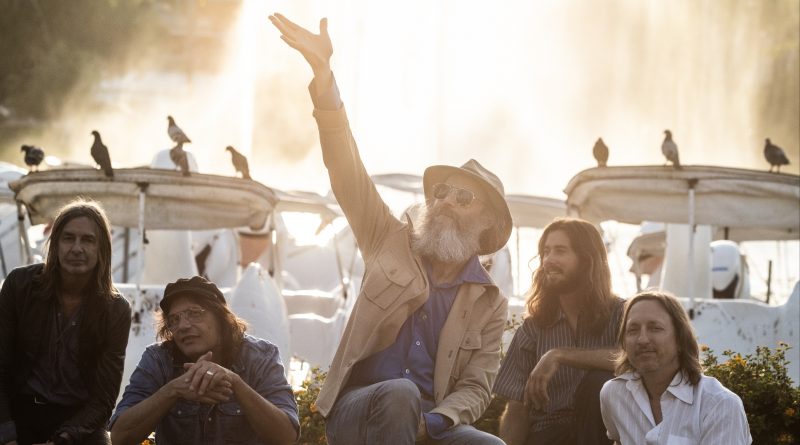
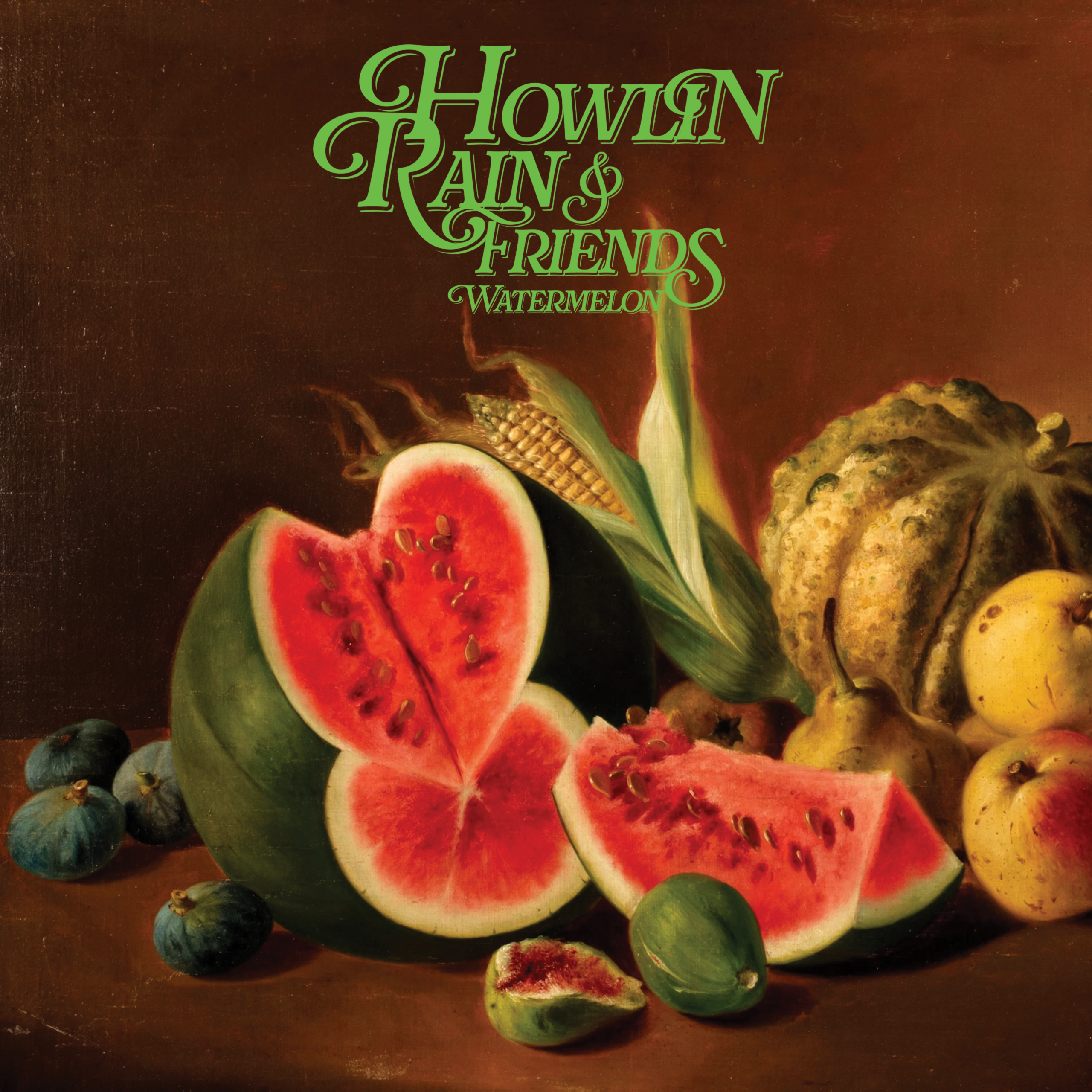
This Friday, Howlin Rain & Friends will release Watermelon, an album of deep covers that provides fans with a guide into the roots of what made Miller who he is as an artist and songwriter.
With Watermelon, Miller has reinvigorated Howlin Rain’s ever-changing roster once again, with only drummer Justin Smith from the last couple of lineups, adding Jonny Niemann (keys), Jason Soda (guitar and vocals), Kyre Wilcox (bass and vocals), and notable guests Chris Robinson (The Black Crowes), Ty Segall and David Nance.
Together, these cats run through nine nuggets from Mountain, Judee Sill, Sugluk, Moby Grape, Fairport Convention, Todd Rundgren, Scott Walker, Tim Hardin and Mountain Bus — providing fans with a literal guide to the genetics of Howlin Rain.
Rock & Roll Globe caught up with Ethan in the days leading up to the release of Watermelon to speak about history, influences and the state of American radio.
Watermelon will be out Nov. 13 on Miller’s own Silver Current label.
Can’t believe it’s been 20 years since the Howlin Rain album. What are your favorite memories of creating your debut?
Crazy right? That was a fun record to make, I had made some 4-track cassette demos that were very basic and then we just went in there and flew by the seat of our pants. We didn’t have much time in the studio, I think we tracked in 2 days including group vocals and percussion overdubs and stuff. I don’t know what it is but I love Tim Green’s sound on that record, the drums and vocals especially but everything just sounds really good to me and though things sometimes sounded higher fidelity, things never really sounded quite like that again even though we’d often use the same mics, same room, same drum corner etc. And we were working really fast so it wasn’t because of extra time and care ha ha. It may be obvious by the sound of the performance but I have a really fond memory of recording the Calling Lightning guitar solo. And the vocals were really fun, Tim got really wrapped up in the lyrics on some of those from the control room and he really egged me on the right way, he really ‘got it’ – it’s a cool feeling when a producer or engineer knows exactly what you’re trying to do and they see it the same way as each other and you can both hit the gas full on chasing ideas.
AUDIO: Howlin Rain “Death Prayer In Heaven’s Orchard”
When you first began Howlin Rain, what was the original goal coming out of Comets On Fire?
Just to have my own thing. To have a band or project that I could steer more quickly and without a five-person committee about every single little thing. But of course you quickly find out you trade one set of structural complexities for another set. I also wanted to explore more refined melody and harmony to a greater degree as a balance to the wild, dissonant chaos of Comets. Not because I didn’t love that aspect of Comets, but just because I am always curious and restless to try different things and go up and down on a creative seesaw.
How do you feel Howlin Rain has evolved in the last 20 years?
I don’t know. I don’t totally have a clear overview to be honest. Probably because I’m too close to it. I could say things like Watermelon is a more refined sound than the raw sound of the first album but then Alligator Bride is probably a more raw expression than our second album, so things don’t seem to just move in a straight line. I feel like it’s a pretty furry sweater with a bunch of sewn in colored yarn.
What informed the creation of Watermelon in commemoration of 20 years?
Chris Robinson and I had been kicking around an idea during the pandemic to do a covers record together, CR and HR. We had a shared playlist and kicked ideas back and forth but as the lockdown lifted and the Crowes got back out into touring and I was busy with Silver Current and my other musical projects that went by the wayside. Then when it came time to begin a new album, on whim I said, let’s just knock out this covers record idea real quick, that sounds easy enough!’ Ha ha. Of course it wasn’t quick and easy. It was rather time consuming. Not laborious, but time consuming. It didn’t end up being a CR + HR covers record as originally developed, nor did I stick with only songs in our mutual playlist but CR sings on two of the songs and it’s still got some of those roots.
What was the selection process like for creating the tracklist? Was there a big list to choose from?
Yeah, we probably recorded an hour and a half or two of material. I guess getting wrapped up in the process of curating an initial list, then narrowing it down, then recording a ton of stuff and narrowing those recorded tracks down again is really what took so much time and energy.
Please tell me about this new lineup of Howlin Rain and your experience working with them on Watermelon.
These guys are really amazing players and sensational, dear human beings. The band is Justin Smith on drums, who has really been the anchor of HR for the last 9 years and been HR’s drummer since Alligator Bride, Jason Soda on guitar who is also the studio owner (Palomino) that recorded this album in such exquisite fidelity and Kyre Wilcox on bass, who is a killer, versatile young bass player, and Jon Niemann plays all the tasty keys throughout the album, you may know him from GospelbeacH.
AUDIO: Howlin Rain “Silver Paper”
What made you go with “Silver Paper” by Mountain over other songs in their catalog? What was your journey like getting into their music beyond the hits?
It’s easy to love Mountain isn’t it? Their music is deceptively simple and yet no one can do what they do. Their music is ubiquitous in both ’70s rock radio hits and hip-hop through samples, they really are woven into our musical lives in fascinating and sometimes unexpected ways. I didn’t think Silver Paper was much of a song to be honest but I was listening to this fairly obscure live version of it on this Best of Mountain Live comp and they had just really turned the whole song upside down and made it so heavy and intricate and for some reason it really grabbed me.
Why did you call this album Watermelon?
Because of the subgenre that Howlin Rain plays called Watermelon Rock. But Watermelon Rock sounded kind of dumb as an album title. So I just dropped it to Watermelon.
You likened Watermelon to a lost FM transmission. Do you still explore the FM dial when you’re in the car? How prominent is radio in your life in 2026?
Funnily enough I still play the radio pretty steady in the car. If I’m working on mixes or writing a record I might listen back to that stuff while driving but otherwise it’s a steady 3 way flip between NPR, the local classic rock station and the free form local college station. And I’ve been streaming a lot of Butthole Surfers in the car lately, not sure why, you just get on a kick don’t you?
You have some great guests on here with Chris Robinson and Ty Segall. But this album has put David Nance on my radar. How did you cross paths with him?
I became a fan of David Nance because of his sensational Negative Boogie album. He (and band) came on tour with Howlin Rain in 2018. I’ve been a big fan and we’ve been friends ever since. He’s one of the great voices in rock and roll.
Of the nine songs you selected for Watermelon, which source album should listeners check out first and why?
If you don’t know Judee Sill, check out her self-titled album from 1971 and back story, it’s truly fascinating. And if you are a fan of The Dead’s Europe ’72 era check out the Mountain Bus album and back story. Their career was cut short by being sued out of existence by Mountain over the name. And Mountain begins our Watermelon album and Mountain Bus ends it with the last word.
How did you get into Native North America (Vol. 1): Aboriginal Folk, Rock, and Country 1966-1985? Seems like there’s more to explore beyond Redbone and Jesse Ed Davis.
I have a great friend named Steve Ruecker who is a killer songwriter and guitarist in his own right, and when that comp came out he was just obsessed with it. Everytime I’d crash at his house in Encinitas he would blast it all hours of the night. It stayed on his turntable for years, I’m sure that’s becoming decades now. The last time I visited the box set was still laying open seemingly where he’d left it the previous year and he was still blasting it late at night! And yes, there is still much to discover and uncover about the role of Native North Americans in popular and underground music. I love that the folks that produced the comp scratched the tip of the iceberg and added something beautiful and archival to that important, expanding conversation.

- Howlin Rain: ‘Watermelon’ Sugar High - November 11, 2026
- P.E.E. Kick Off North American Tour - November 7, 2026
- Panchiko Announce 2027 U.S. Tour - November 6, 2026
You May Also Like
-
 December 2, 2021
-
 October 17, 2018
-
 February 5, 2019
