
Hole’s Eric Erlandson: ‘I’m the Steward’
Guitarist talks about living through this band’s catalog
There’s grunge nostalgia in the air.
Between Kim Thayil’s memoir (A Screaming Life), an upcoming archival album, baby’s gone, from a reunited Heavens to Betsy, Melissa Auf der Maur’s memoir (Even the Good Girls Will Cry) and her new photo book (My ’90s Rock Photographs), and Sub Pop setting up shop in two new locations in Seattle, it’s like the 1990s never went away.
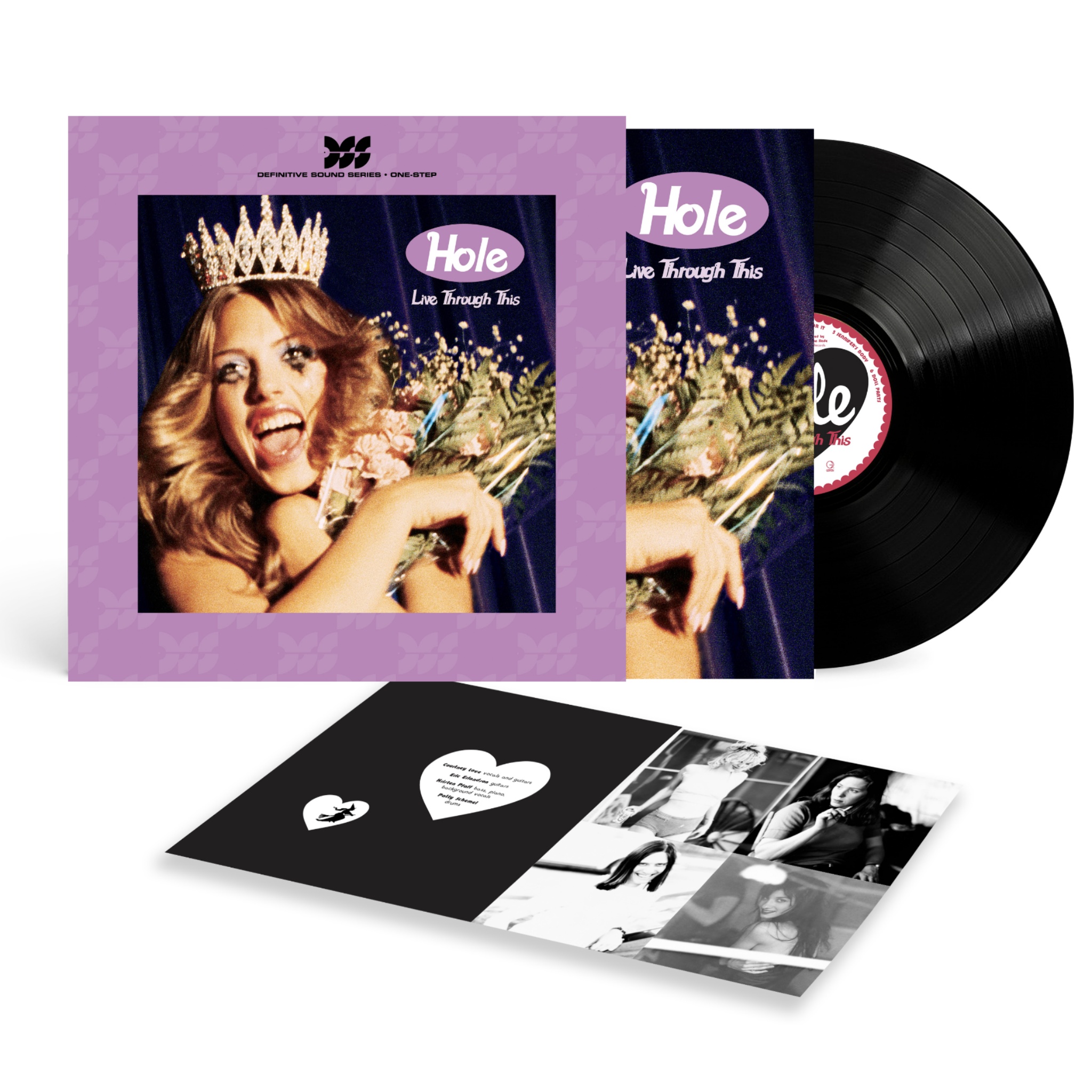
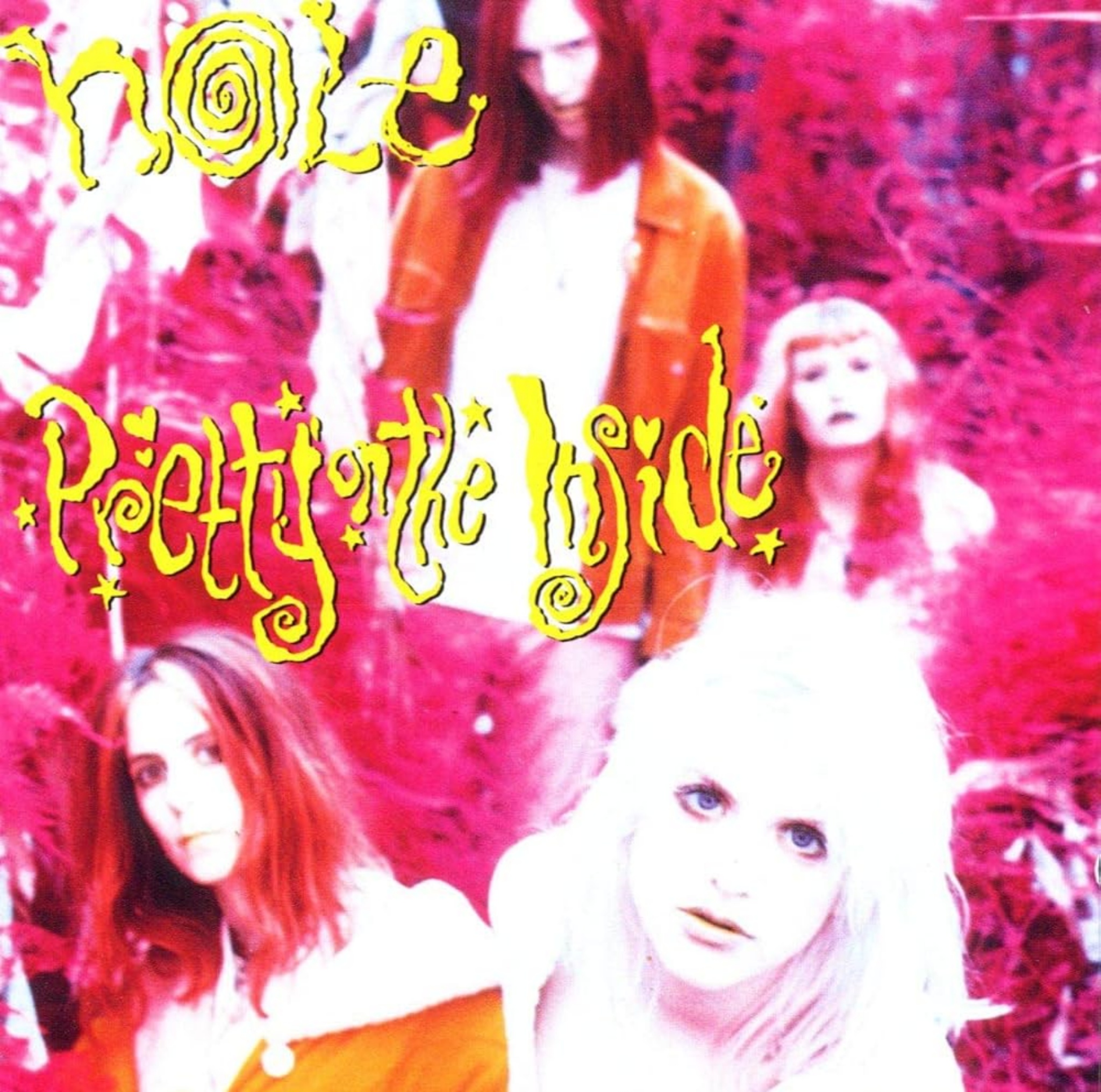
And you can add Hole to that list. Courtney Love’s band was smack dab in the middle of all that grunge hilarity, not least because of her marriage to Nirvana’s Kurt Cobain. Now all three of the band’s albums (Pretty on the Inside, Live Through This, Celebrity Skin) have been reissued in a variety of remastered vinyl editions (CDs are available, too).
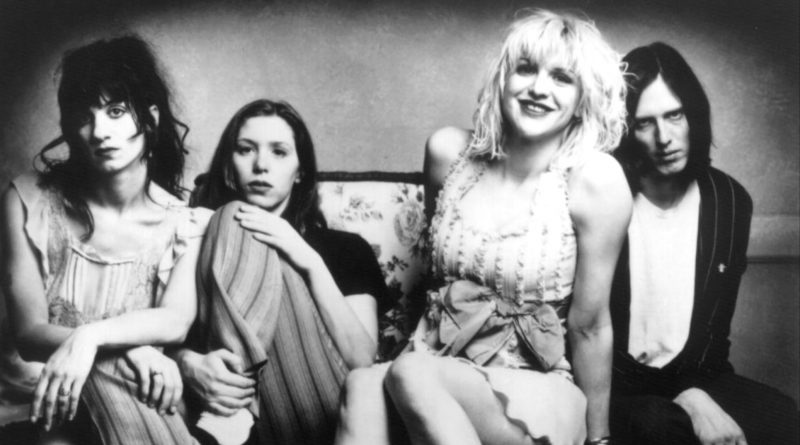
While Pretty on the Inside is rough and gnarly and Celebrity Skin is slick and poppy, Live Through This hits the sweet spot between them. It features what for many was the definitive Hole lineup: Love on guitar and vocals, Eric Erlandson on lead guitar, Kristen Pfaff on bass, and Patty Schemel on drums.
The songs are ferocious and melodic, the kind of primal scream you could actually dance. But the album was overshadowed by tragedy, released just days after Cobain’s suicide in April 1994, followed by Pfaff’s drug-related death two months later in June. If you haven’t played the album in a while, you might be surprised as how well it holds up; certainly the last time I saw Love in concert (in 2013), it was songs from Live Through This that the audience shouted for.
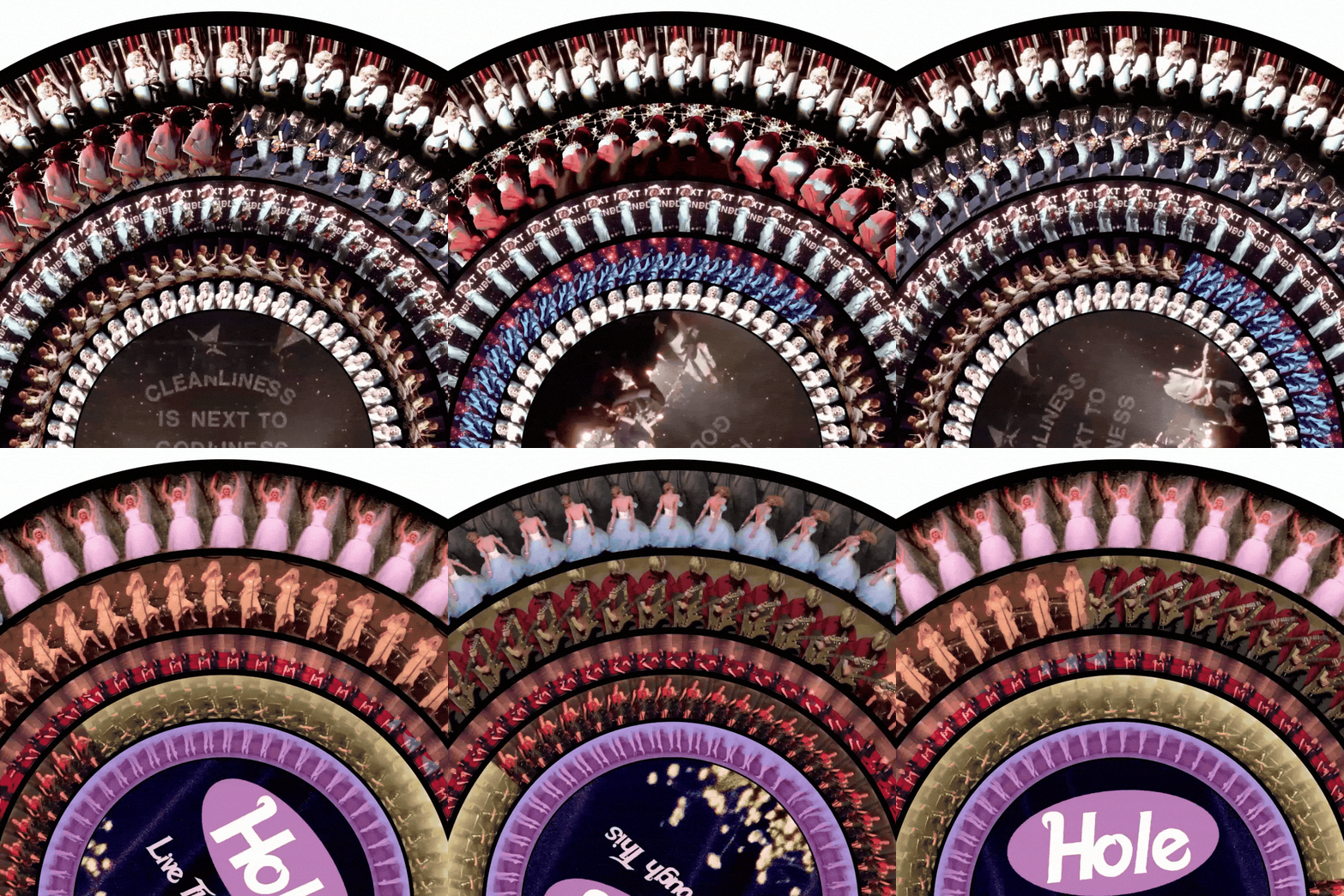
And you can now experience it in a new way, as it’s being made available in a limited edition vinyl release, as part of Interscope/Capitol’s Definitive Sound Series, buffed up into high-end clarity via the audiophile One Step process. The sound quality is nothing less than superb.
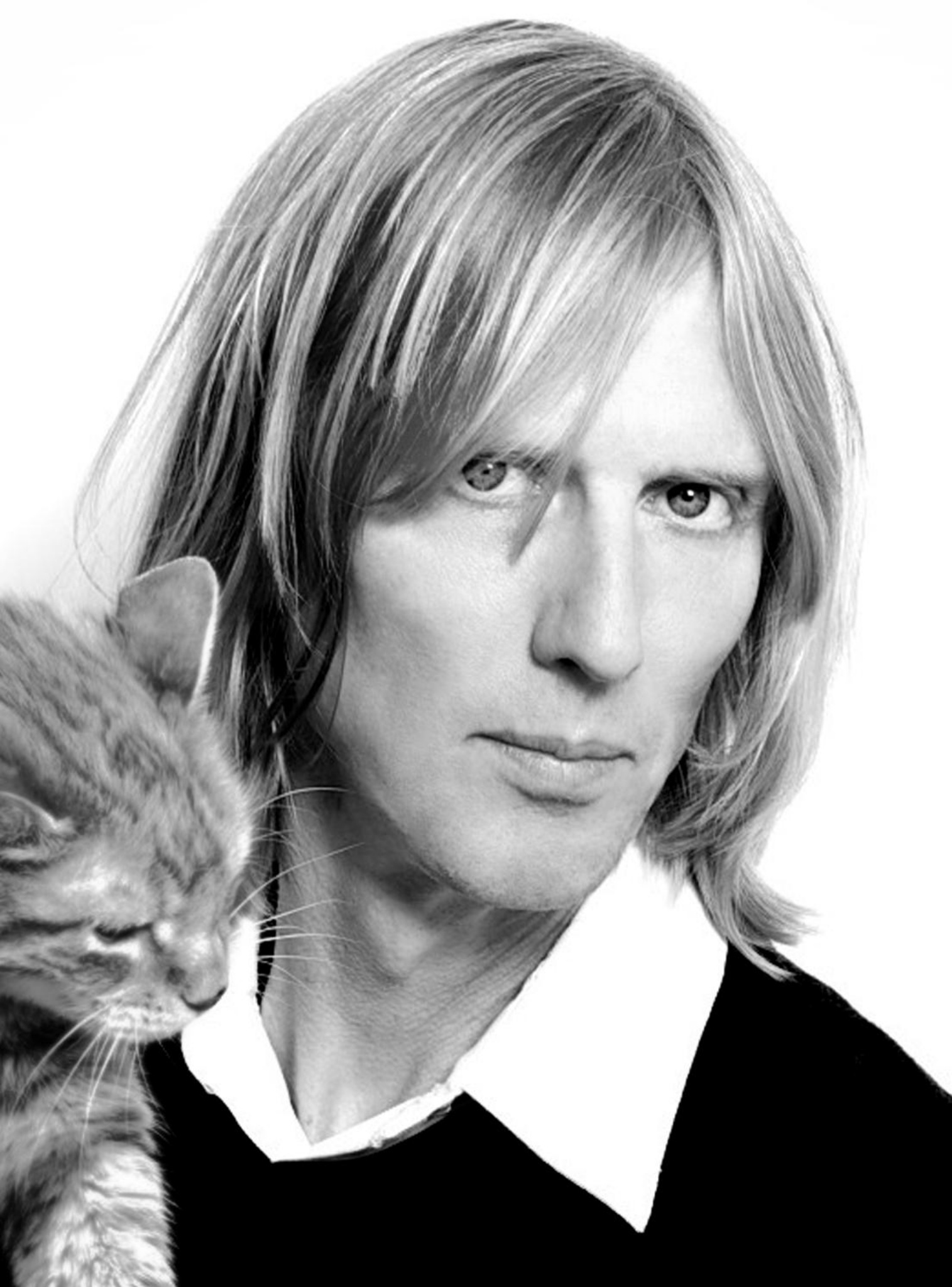
All this activity is being overseen by Eric Erlandson. While “chiseling away” at a Hole box set for the past decade, drawing on a library of some 700 cassettes, he thought it might be quicker to get out a release of Hole’s 1995 Unplugged appearance, which has never been officially released.
“So I met with the record company,” he says, “and they’re like, ‘No, it’s not that easy. We have to do a deal with Viacom or whoever owns it. So that’s going to take some time.’”
But straight album reissues were easier. And that led to the idea of a Live Through This audiophile release, once the tapes had been unearthed from Erlandson’s storage locker.
“After Live Through This and before Celebrity Skin, I requested the tape mixes because I wanted to do a remaster or something,” he explains. “And then I forgot about them. And then all hell broke loose and we broke up. And somehow I had no clue that [that I still had them] because they were on these weird oversized reels that didn’t look like normal mix tapes. So the only reason they exists is that I somehow protected them from the record company losing them.
“And so I was just saying yes to everything,” he continues. “And then finally we put together a merch store, which we’ve never had before, online. It sounds like we’re getting back together and the band’s reforming and we’re doing this big push, but that’s not what’s going on. I was just trying to do the Unplugged and a box set. And then all this other stuff landed on my lap and I was like, okay, if I have to do this first, fine.
“I just look at it like I’m the steward of something. And I look at the band that way now; I want to preserve our legacy and do right by it as much as I can.
Erlandson spoke to Rock & Roll Globe about how band survived through continual revolving membership, why a Hole reunion is likely “not in the cards,” and how getting an endorsement from the Fastbacks’ Kim Warnick confirmed that Live Through This was a great album.
Pretty on the Inside came out in 1991, and it got some acclaim, like a write-up in the New Yorker. But then Courtney meets Kurt and goes off with him and in 1992 the band goes into hiatus and the other two members leave. Did you think that was it? Could the band have ended then? What kept you guys together?
That’s a good question. What did keep us together? Our band had already fallen apart at the end of 1989. Courtney was very competitive and ambitious and I’m pretty ambitious. And so I was like, no, this is not over. Early 1990, that’s when Hole really became the two of us and a different rhythm section every album. That was really the start of our connection. And so in 1992 I think it was just like, okay, we just put it back together again and keep going. And as soon as we have Patty, I was told to move to Seattle. Basically, we got signed to DGC and then it was like, “Okay Eric, were going to be going to Seattle to start our life up there with our baby [Francis Bean Cobain, born in August 1992].” But they didn’t move up until later, like end of ’92, early ’93. I had already moved up to Seattle in April ’92.
I remember you telling me you thought Seattle was boring.
Yeah. It’s a small town compared to what Los Angeles had going on back then.
Yeah, I could see that. Still is!
And it was cliquey in a different way than LA; it had its own little clique thing going on and I was trying to figure it out. And it’s funny, because then I had to keep flying back to LA to take care of Kurt and Courtney. Personally, for me, it was Buddhism that kept me going; that became my anchor. Because the world was falling apart. Everything we had worked for was falling apart, because it was not a pleasant scene, as you can imagine, during that transition period, with Nirvana blowing up the world and us getting courted by major labels.
How did Kristen get in the band?
On one of those trips when I flew down to LA for something, I would always go to [the club] Jabberjaw whenever I was in town. And she happened to be playing there with Janitor Joe. And I just walked up to her and go, “Wow, you just blew my mind. I’ve never seen someone play bass like that.” And we just hit it off. And then I told Courtney and Patty to go check her out when they played Seattle. We were already writing songs because we were working with another bass player that I met in LA before Kristen, and she wasn’t really working out. She wasn’t really like a solid bass player for joining a band that just got signed to a major label; she wasn’t at that level. With Kristen we could tell right away, she was making the songs we were writing at the time better. And then our personal relationship started [Eric and Kristen dated each other] and then she joined the band and moved to Seattle. And we started rehearsing for Live Through This, like hardcore, really focused rehearsing, because everything was coming together.
How did the songs come together? My favorites were always the rockers, like “Plump,” because it starts off with that great heavy, chunky guitar riffing.
Yeah, that’s something that came out of some rehearsal. And Courtney was playing like a version of that riff. I can’t remember if that was on the demos before Kristin joined or not. I think it was. “Miss World,” Courtney called me in the middle of the night and played it and sang it to me. And I hit record on my answering machine. Because she didn’t tape things back then. She would just say, “Hey, record this!” and I’d hit record on the answering machine and it would tape it. And I still have that tape. And there’s a few things that we did in rehearsal in Atlanta right before we went into the studio. [The album was recorded at Triclops Sound in Marietta, Georgia].
“Gutless” is another favorite. Courtney’s kind of doing a “Twist and Shout” with the vocal shredding.
Yeah. Those were more the Nirvana-influenced ones, Seattle, because they’re more riffy. Though we did have riffs on our first album. It’s just that those [on Live Through This] were like tightened up, very Seattle-style riffs.
Would you say that about of the whole feel of the album? There’s riffing on Pretty on the Inside, but I think of that as a more raw and gnarlier sound. Whereas “Violet,” “Plump,” they’re tough songs, but they have a more melodic feel to them.
Pretty on the Inside is an interesting snapshot in time. Courtney’s had moments where she rejects it as a journal entry, a screaming girl album. And you know, it’s beyond that. And Live Through This this was like, oh, we can do more Beatle-y things. That was consciously where we were going. It was a big departure. We were going more towards that more melodic thing and not just, you know, crazy tuning, screaming noise stuff. We were in LA, but New York was influencing us [on Pretty On the Inside], definitely more New York on my part. And then Live Through This was Seattle. And then finally Celebrity Skin was LA. With a little bit of Sausalito thrown in.
So, you finished Live Through This, and what were your feelings before it came out? Did you know you’d done such good work?
Yeah, it’s funny, I didn’t. Because I was there, I was at the studio all day, every day, I was really close to it the whole time. And it was all new. I’m not a studio musician. I didn’t know what the hell I was doing. I was playing Peter Buck’s out of tune guitars on some of the songs. I didn’t know what was going on. I was just trying to hold it all together. It was chaos, you know? Like it was about to fall apart any second, every second. So I couldn’t tell what we had done. But I was proud of it, because I could tell that, wow, I finally got to do some stuff in the studio that I never got to do before. Instead of two days to make the album and two days to mix it, now we have five days to record the album or whatever it was. I was able to experiment a little bit. I never liked that one-dimensional aspect of [Nirvana’s] Nevermind, I like little layers of things and interesting little things going on. And so that’s why Live Through This has some of that, because I like that stuff. It’s funny, because I didn’t realize what we had done until Kim [Warnick] from the Fastbacks actually said, “Oh my gosh, your album is amazing!” She was blown away. Because nobody thought we could pull that out of us. They didn’t think Live Through This was living inside of us. Kim actually saying that, that’s when I was like, “Oh, okay, maybe it’s good.” I knew it was special in my heart, what we had created, but I didn’t know how it would be accepted. And then once the people in Seattle thought it was good, then, okay.
I was scheduled to do an interview with Courtney on April 5, 1994, for The Rocket magazine. When I called the hotel, I was told she wasn’t taking calls. You called me back later and we spoke for a bit. I was looking at the transcript, and at one point you said how Courtney worked in all these references to mothers and things like that, and how other female rockers like Pat Benatar or Chrissie Hynde didn’t really put that in their songs. But Courtney did in hers.
Wow. I said that back then? Wow. I mean, it’s obvious now. But I don’t think anybody was picking up on it as much.
Yeah. And you said you were going to try and get Courtney to call me, but I knew it wasn’t going to happen. So the story didn’t happen. Then Kurt dies, Kristen dies, your tour is cancelled. Then you did a show at the end of August, the Reading Festival. And I remember thinking, geez, should they really be going out? I mean, was there a thought of just, “Yeah, let’s just put this on hold for a while?”
There’s already been a million interviews about all that stuff. It’s just different ways of grieving. After Kurt died, I thought everything was over. And then for some reason, after Kristen died, that’s when I was like, “No fucking way.” It was like nothing was going to stop us, you know? It was just that same thing of “Okay, gotta put it back together again.”
The women from 7 Year Bitch said the same thing after their guitarist Stefanie Sargent died in 1992; “No way are we stopping now.” They even thought it would be an insult to her if they stopped.
Yeah, neither Kurt nor Kristen would have wanted us to stop like that. And that’s one thing that I knew in my heart. And also, from having to put the band back together a couple times by that time, it’s like “Okay, it’s happening again.” But this time, there’s fire. Because now I’m like, “Wait a minute. This is a good album.” It just puts a fire on your ass somehow. Like the universe, whatever you want to call it, will throw you curveballs and obstacles, and you either crumble in the face of them or you stand up and go, “No way, I’m not accepting this. I’m going to overcome this.” And I think that’s what happened to us. It was like, we have to go out there and do this.
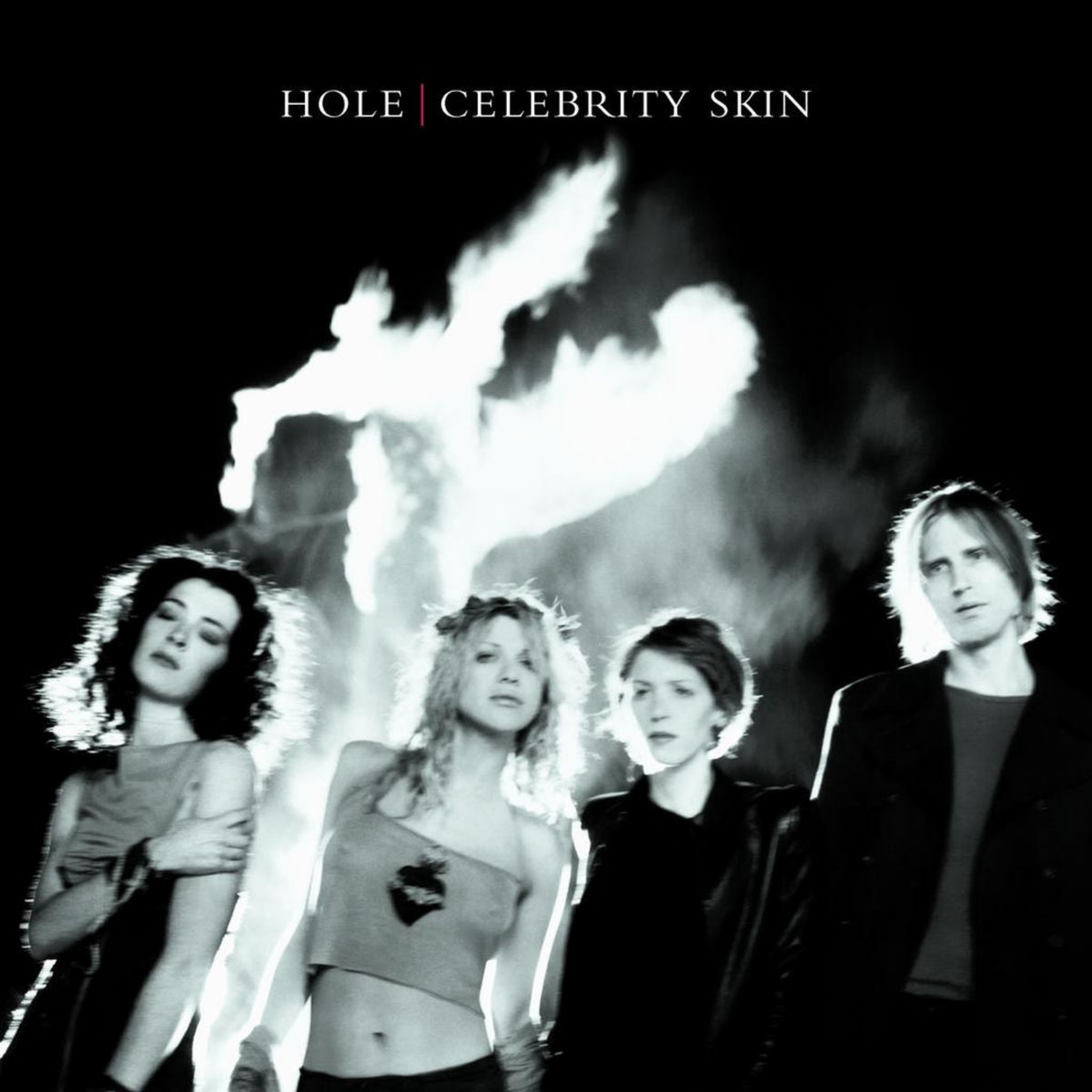
Celebrity Skin is your most commercially successful album, but I’ve always felt that Live Through This is not just a better album, but the definitive Hole album.
Yeah, definitely. It was more of a team effort. Courtney didn’t play a note on Celebrity Skin. But her guitar is on Live Through This. And Patty didn’t play on Celebrity Skin, so it’s Patty’s drumming on Live Through This. And it’s the only album with Kristen on it. And Kristen was a very special bass player; she actually made Patty play better than Patty had originally played. Plus the fact that [Kristen and I] were going through a breakup and the chaos between Courtney and Kurt and everything that was happening — you know, it was [like Fleetwood Mac’s] Rumours. It’s the only way I could describe it. It was like the ’90s version of Rumours. Even though it didn’t have as much of the crazy, incestuous stuff going on. It just had — like the magic that we had. And I hate that word “magic,” but it’s just that we were all plugged in to the right stuff at the right time.
What’s different about the sound in the audiophile version of Live Through This?
The digital one is compressed. And so when I first heard the analog one, the high-end one, I missed that compression, because the compression kind of makes everything exciting. And this didn’t have that. There was no compression added; it was just coming straight from the analog tape and cut onto a lacquer. And so I was missing the compression and excitement, but then all of a sudden you have this airiness and this openness that happens. And that’s what took me a little while to get used to. On a crappy stereo you might not hear it, but if you played it on a good stereo, you’re going to hear something that’s — it reminds me of when my friend played me, I think it was A Kind of Blue [by Miles Davis]. And he played it to me on a Macintosh amp with an Altec speaker, and you could hear the breath in between the notes and stuff that I never heard before. There’s something that just opens up, just this kind of warmth and airiness and clarity that comes through. It’s not relying on the digital compression, it’s relying on the tape compression that was naturally in the mixes. And the One Step edition of Live Through This is interesting because it’s really quiet. So between every song, like if you have a good stereo system, you turn it up really loud and it’s just quiet, and the next song starts. And then there’s certain little cool things about it that I’ve left in. Like the intro to “Credit in the Straight World.” It starts with this organ and you kind of hear that someone’s sitting down at the organ or you hear the pedals, and then it starts. And so there’s little things that come through that you didn’t hear as much on the original digital version of the album. It’s definitely warmer and clearer and quiet.
All these cassettes you have, they cover all of Hole’s career?
Yeah, live stuff and stuff. But a lot of it’s just really crappy sounding. We weren’t the most prolific band. We didn’t write 50 songs for each album. So there’s not a lot of like stuff to draw from, but we did improvise a lot. We did improvise snippets of songs in between songs live a lot. So there’s interesting moments there. We do have some really special live moments, I think, because we’re a much different band live than in the studio. And I’m excited about the demos we recorded in New Orleans that never came out. That was our aborted Live Through This Two. Which actually would have been interesting if we, like any other band, would have kept going on that and released it; it would have been an interesting transition between Live Through This and Celebrity Skin. But instead it got aborted and then we went into Celebrity Skin-land.
So we have a box set and Unplugged to look forward to. But it doesn’t look like there’s going to be a Hole reunion.
That’s not in the cards.
Well, even ABBA got together after decades, so I guess one can still hope.
Yeah. And anything can happen. But yeah, I know that Melissa has her book and now her rock photographs book and then possibly an album or something. And then Courtney has an album, a documentary and a book. So then with these Hole releases, I think we got all the bases covered. Except for getting back together. And personally, I kind of like that we went out on a high. We went out like, okay, we’re getting some radio airplay, our albums sold. We didn’t keep on going until you see the fans dwindle and you start playing smaller places. There’s not many bands from that era that did break up and stay broken up. If you think about it. There’s not many bands like us that were like, okay, we did it. We lived through ’89 to ’99. And then 9/11 happened and the world changed. And we’re gone. Now we’re just a memory of that snapshot in time.

entertainment and travel.
- Hole’s Eric Erlandson: ‘I’m the Steward’ - September 29, 2026
- Jennifer Finch on the ’90s Alt-Rock Scene - July 24, 2026
- Rock & Roll Globe’s Best Rock Books of 2025 - December 26, 2025
You May Also Like
-
 January 8, 2024
 -
 March 1, 2021
 -
 April 15, 2024
