
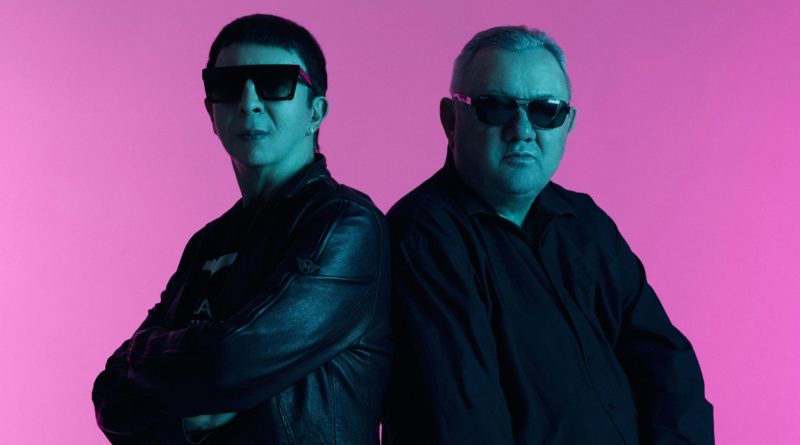
Soft Cell Returns to ‘Danceteria’
Marc Almond discusses the synth legends’ final LP
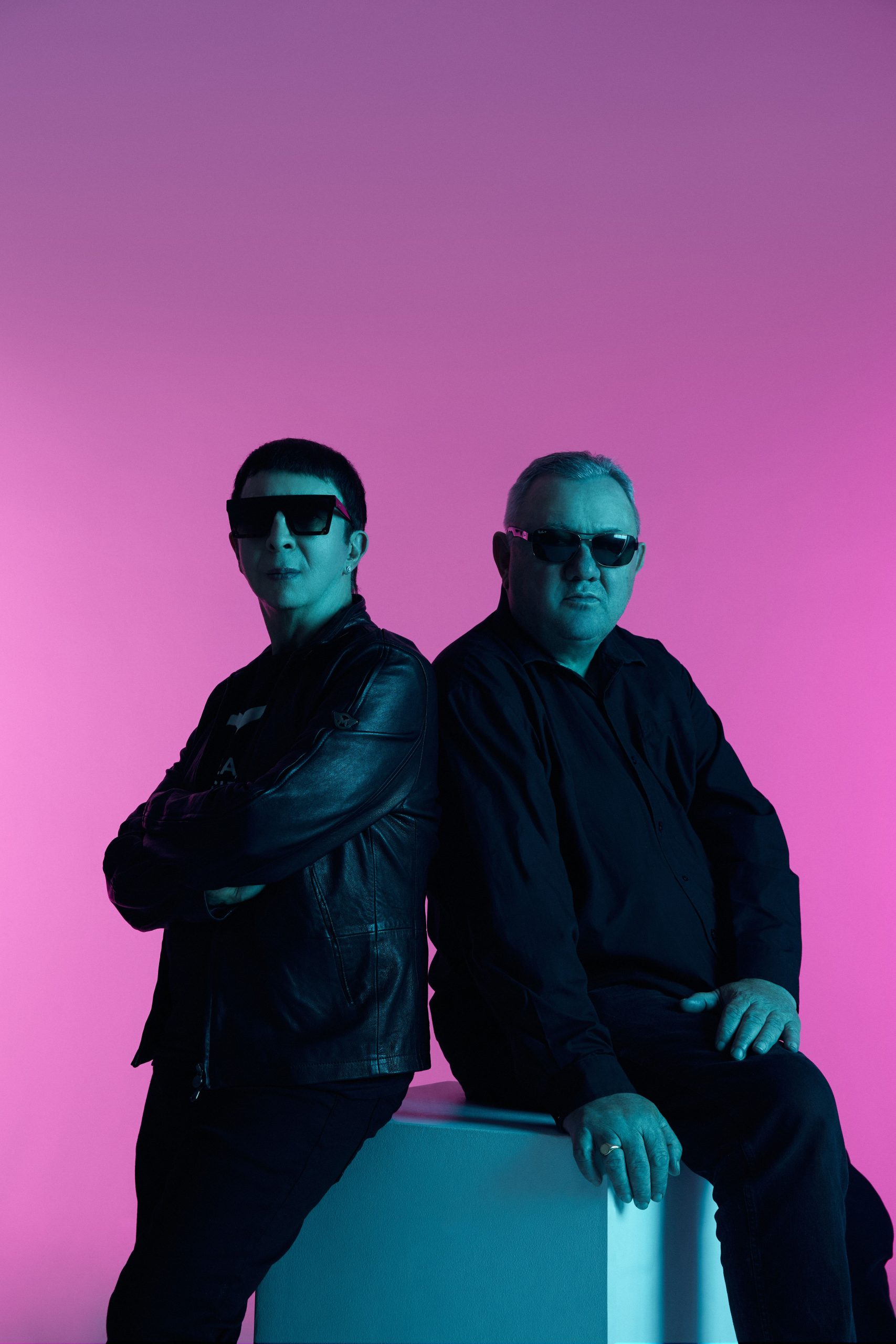
Forty-five years ago, the English duo Soft Cell scored a massive international hit with the song “Tainted Love,” and they’ve been regarded as one of the most pioneering acts in the synth-pop genre ever since.
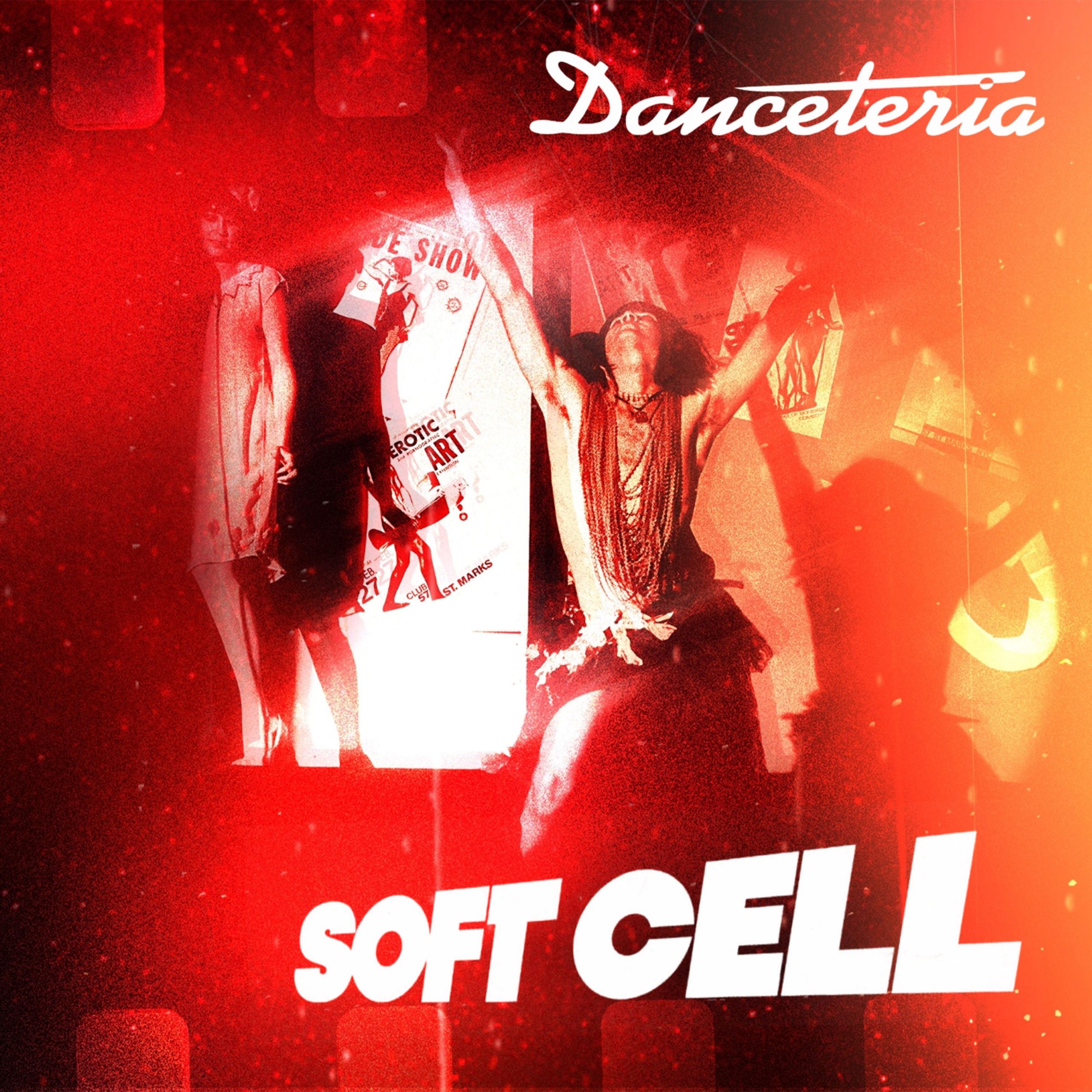
But their saga will come to a poignant yet vibrant end on Sept. 25: on that day, Soft Cell will release their sixth — and final — studio album, Danceteria.
This closing chapter didn’t come because of any lack of creativity on the part of singer/lyricist Marc Almond and multi-instrumentalist/songwriter Dave Ball — the emotive, catchy tracks on Danceteria prove that. Unfortunately, though, Dave Ball passed away last October, and the band simply cannot continue to exist without him.
Calling from his home in Portugal, Marc Almond reflects on his long musical partnership with Ball, what inspired this final album, and the legacy he thinks the two of them have created.
We present this interview in Q&A format, to capture Almond’s sentiments without a filter.
Condolences on Dave Ball’s passing. It’s wonderful that you two were able to do this final album together, though.
[His passing] wasn’t a total shock because Dave had been quite ill for some time, and I felt I really lost him a couple of years ago. He had a really bad fall and broke his back, and that put him in a motorized chair, which made it very difficult for him to do gigs.
But when I got the music for this album, I really thought that he made a recovery after that fall, and he was back in the studio again. I don’t know if he felt within himself it was going to be the last time we’d do something. For me personally, I thought it probably was going to be the last time, just because you get older, and the gaps between us doing things were so big,
We’d said, “We’re happy with the album.” We finished it, and two days later my manager came in and said, “I’m sorry; Dave has passed away.” And it was just a weird thing. I’d seen him a month before — we’d actually done a show together, a festival, and Dave was able to do it, [but] he was in such terrible shape that I really didn’t see how much longer it was going to last. So I just feel sad. Over the past couple of years, there’s been more of an interest in Soft Cell than there has been in a while. I know how much he loved doing the interviews and things like that, as well. So he’s kind of left me holding the baby; I have to do it all myself, so it’s a sad feeling.
How did you decide the theme of this album should be about New York City in the early 1980s?
On the last album, we did a song called “Polaroid,” which was about meeting Andy Warhol in 1981, 1982. We were recording in New York, and we were taken to the Factory, his studio, to meet him. It was a weird meeting, as it would be with Andy Warhol. The song is about the reality of the meeting, and the fantasy of what I would have liked it to have been. So I took that as a starting point: I thought I’d like to write more songs around that period of time, because it was such a pivotal time for us, being in New York, recording our first three albums between ’81 and ’83. I wanted to write a love letter to early ’80s New York. We loved American culture. We were influenced by American music, American film, the whole art culture of America, before we’d even been there. So for us to go there and record our first albums there, it was like setting us free and finding a home that we really belonged in, to work in. So I wanted to celebrate that time.
Your lyrics have always been evocative. How did you learn to write like that?
I’ve been making music for maybe 50 years now. I was dyslexic at school, so my writing has never been great. But I had imagination. If you’ve got imagination, you can write and you can get through things. I’ve always been able to conjure up stories and lyrics and put down artistic ideas, even visually, in some form. Even at school, I was writing lyrics and poetry and stuff. It was kind of typical teenage angst. I don’t think I ever quite grew out of that, really! [laughs] Even with Soft Cell. It grew from teenaged angst to middle-aged angst, and from middle-aged angst to old person angst.
How did you decide to become a professional musician in the first place?
Originally, I really wanted to go into theater, into acting. But I’d grown up with a stammer since I was very young, so that kind of put paid to that. But I always loved art: at school, I escaped into the art room, and the art teacher would always give me sanctuary. I got into an art college in the north of England which dealt with a lot theater-based performance art, but there were [also] people making music. The whole art department was influenced by the punk movement that was going on at that time, because it showed that you didn’t have to be brilliant at anything to make music, or write lyrics.
The last year I was there, Dave Ball joined the college. He was working with sound experimentation. Dave bought the strangest thing called a synthesizer. And I thought, “That’s great. We can get together because I’m doing all these strange cabaret performance things, and you’re making music, so you could make the music to my things.” He was writing some little songs at the time, so I said, “I’ll do some vocal things to your things,” because he didn’t want to sing. So it evolved from that, really, but we never imagined we’d become successful at that. We’d always thought we were a strange little underground experimental pop band that would maybe do concerts to like 200 people or something, and that would be it, and we’d be happy with that.
“Tainted Love” certainly made Soft Cell more famous than that.
Dave found that song originally. He brought it to me and said, “Why don’t we put this into our set?” He was a big fan of this kind of ’60s soul music, as was I. [Soul singer Gloria Jones first recorded the song in 1964.] So we recorded that, and it all kind of snowballed from there. It just happened that radio hooked onto it and it crawled its way slowly up the charts. It just catapulted us. “Tainted Love” became a huge record, number one all over Europe. It filtered into America and became one of the longest records to ever be in the Billboard Top 100. Life was never going to be the same again after that, so we could say goodbye to being a little arty underground experimental duo.
VIDEO: Soft Cell “Tainted Love”
Why do you think your music resonates with people like it has?
I think because often, there’s been a theme in our songs about escaping from the mundanity of life. A song on the new album like “In Heaven (When I Dance with You)” is really just a typical Soft Cell theme: you’re escaping from your everyday life into a more glamorous world. So I think that escapism resonated with people. But we were also celebrating a kind of subculture of life, as well. We wrote about the things that other people didn’t write about. Most ’80s bands were singing about living glamorous lives and being, but we were shifting around in the shadows of life, and writing about the underdogs of life and the people that we saw on the street, and ordinary people living their suburban lives. The people who were living on the periphery of life: lonely people, the sex workers; we were writing about those people. And I think people resonated with that. We were showing them a world that they related to, because they felt a bit like outsiders in society, and they felt that that was speaking to them in their bedrooms when they played the records.
What do you think as you look back on the legacy that you and Dave created with Soft Cell?
I think we’ve inspired other bands. I think certainly bands like the Pet Shop Boys and Yazoo and people like that started after us. This idea of an electric duo. We certainly set a template, I think, for a kind of music. Bands like Ladytron that are coming out right now, I think have been influenced by Soft Cell. Marilyn Manson obviously covered “Tainted Love” because we had. So through time, we made a mark and made some kind of musical legacy.

- Soft Cell Returns to ‘Danceteria’ - September 26, 2026
- The ‘Madness’ of Europe - September 23, 2026
- The Human League Spans ‘Generations’ - May 30, 2026
You May Also Like
-
 July 18, 2026
 -
-
 July 7, 2022
