
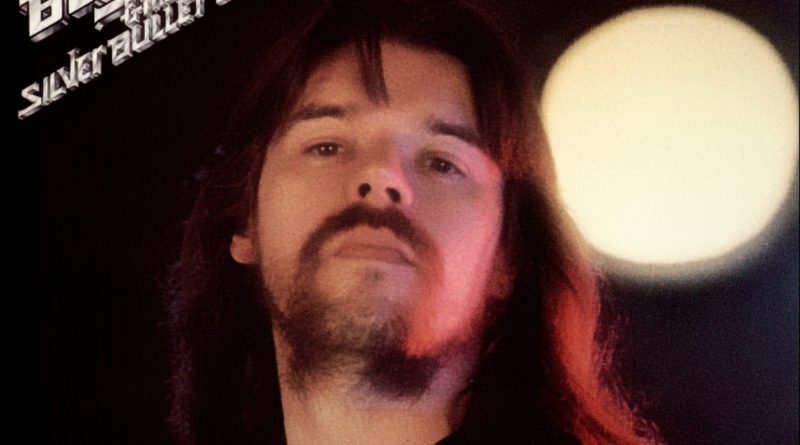
‘Night Moves’ at 50: How Bob Seger Burned His Name into History
Listen past the legend and something intense unfolds
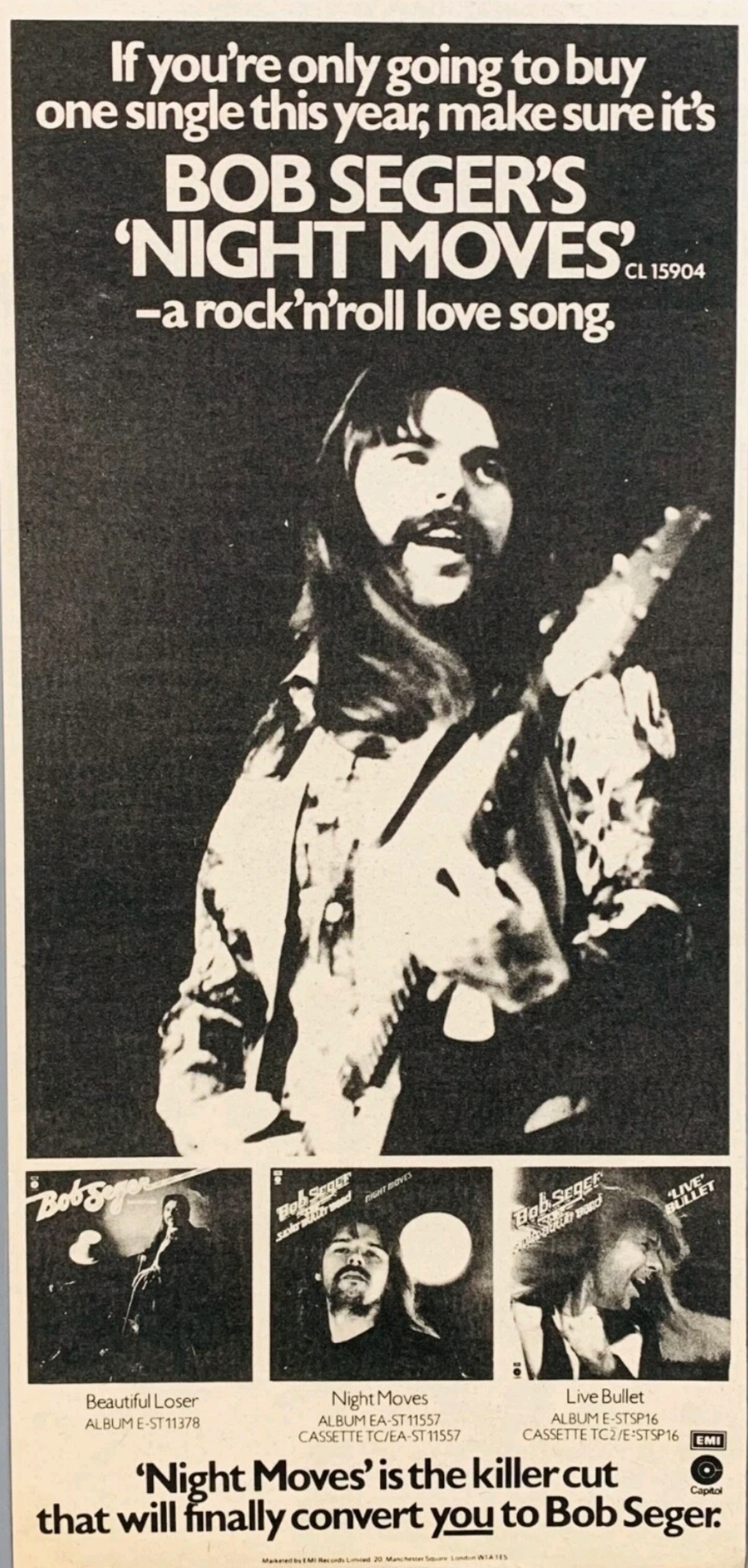
At this point in time, Night Moves is a difficult album to hear.
Make no mistake, it’s an incredibly easy album to listen to—its aural pleasures are abundant and immediate, and in the half-century since its release, it has remained the textbook definition of “ubiquitous.” But that very ubiquity has rendered Bob Seger’s 1976 breakthrough album so aggressively familiar as to defy objective evaluation. To the world at large, Night Moves is no longer a nine-song presentation by a Detroit singer/songwriter and his band; instead, it has become an indistinct set of noises with Bob Seger’s name on it.
That’s a caterwauling shame, because it’s a hell of an album — one of the finest moments from a great American artist. If it weren’t for Night Moves, not only would we not have immortal tunes like “Rock and Roll Never Forgets,” “The Fire Down Below,” and of course the transcendent title track, we might never have gotten what followed them. Stranger in Town, Against the Wind, The Distance — without Night Moves righting Seger’s commercial course, who knows? He might not have even been able to make those subsequent albums.
It’s easy to forget that Seger was the opposite of an overnight success. Sure, he had a hit pretty early on with 1968’s “Ramblin’ Gamblin’ Man.” But even that was his seventh single, and it took until Night Moves’ commanding title track for him to crack the Top 40 again.
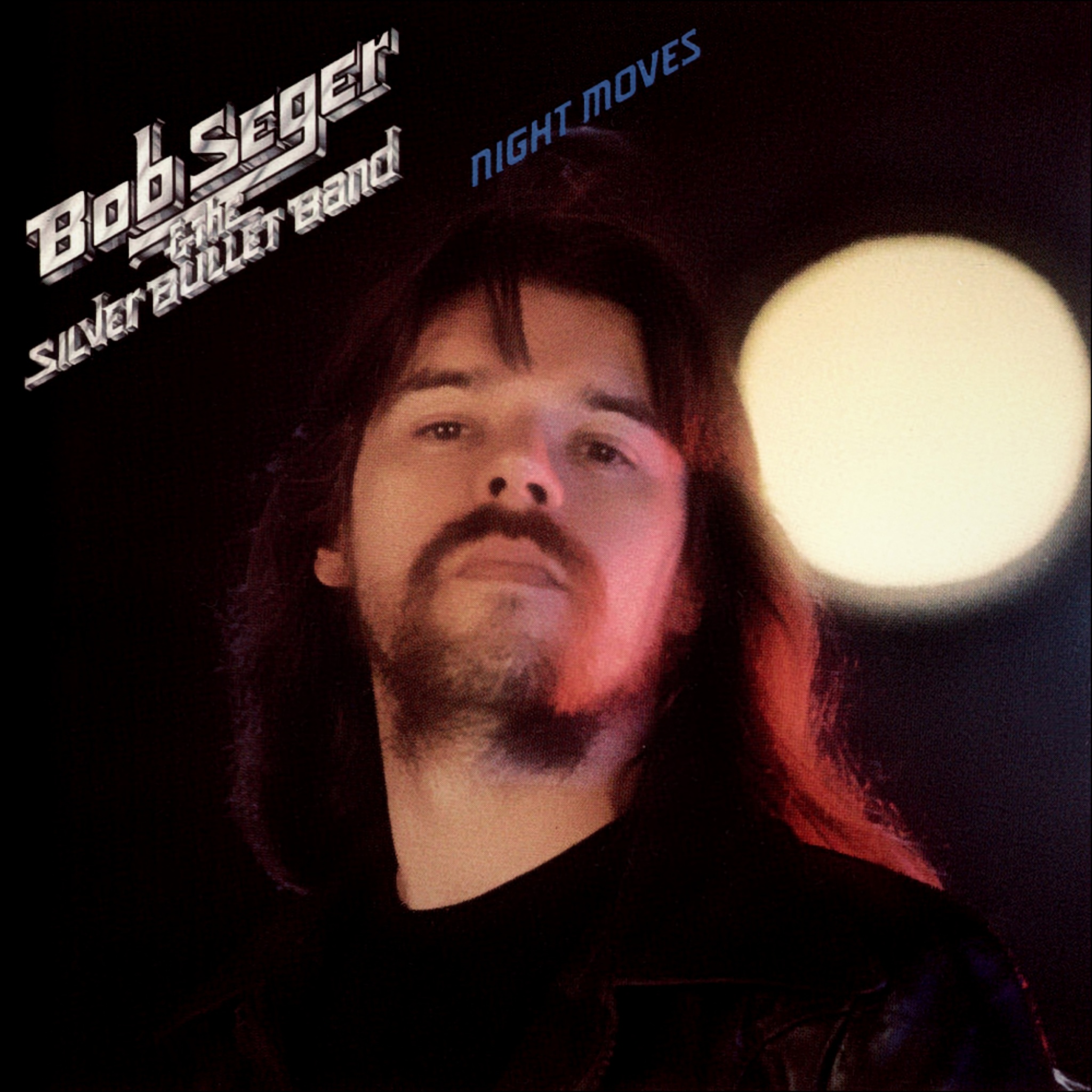
Fortunately for us all, the one-two punch of Seger’s legendary concert album Live Bullet and Night Moves, released six months apart in ‘76, was what it took to put the indefatigable journeyman in the uppermost strata of the ‘70s rock heap. The combination of reflective singer/songwriter inclinations, ‘60s R&B influences, and sweaty, boot-stomping rock ‘n’ roll came together in the perfect paradigm to speak to the masses at that moment.
The album’s introductory tune, “Rock and Roll Never Forgets,” is one of the 1970s’ first (and most) realistic rock anthems. At the time, passing age 30 was still a relatively recent phenomenon for boomer rock heroes. So, when Seger comes rampaging out of the gate with a song about “Sweet 16 turned 31” (Seger’s age at the time), it felt like an honest acknowledgement that youth fades long before the spirit of reckless rock ‘n’ roll abandon does. And it gave a whole generation permission to get their ya-yas out without worrying about the digits on their driver’s licenses.
Being no fool, Seger front-loaded the record pretty heavily, with his best tunes at the top—the next track up is the title song. Blaming it for inspiring legions of less intelligent teenage-nostalgia rock ballads would be akin to blaming Van Halen for Poison. Seger’s bittersweet look in the rearview handily sidesteps oversentimentalizing his teen trysts by clarifying, “I used her, she used me, but neither one cared.” And in the final act, an adult Seger is wakened from his revery by the specter of mortality, making the memories all the more poignant. It doesn’t hurt that he does his best Van Morrison when he’s vamping over the tune’s clap-along groove either—his Van Morrison is pretty damn good.
“The Fire Down Below” lands us squarely in the present, or at least in the timeless space where the human drama plays out in perpetuity. Sonically, it might be the album’s most trenchant moment, bearing a bite that’s an ideal mate for Seger’s clear-eyed look at the gut-level emotions powering people’s every action. Even if the preceding two songs didn’t exist, with this one on the album you wouldn’t feel shortchanged.
VIDEO: Bob Seger and the Silver Bullet Band “Night Moves”
Similarly, the opening trifecta of tunes would have been enough to ensure Night Moves’ lofty status even if the rest of the record was occupied by mere filler. Fortunately, that’s far from the case. Four of the album’s nine cuts feature the legendary Muscle Shoals session cats instead of Seger’s stalwart Silver Bullet Band, and Pete Carr’s luminous lead guitar riff on “Mainstreet” would be enough all by itself to qualify the track as a classic. And on the cover of Ann Peebles’ funky, Willie Mitchell/Earl Randle-penned “Come to Mama” (re-gendered as “Come to Poppa”), the Alabaman hotshots rock things up so ferociously it’s a wonder there weren’t any casualties in the studio.
That said, the Southerners still don’t out-rock the Detroit boys. Night Moves closes out with The Silver Bullet Band blazing away on the record’s most rocking track of all, the album’s other cover tune, “Mary Lou.” Written and originally recorded by R&B singer Young Jessie in the 1950s, it matches Seger and the SBB’s aesthetic so well that it feels like it could have been written for them if not by them.
All of the above awaits anybody who can listen past the crusty classic-rock veneer that threatens to obscure Night Moves’ rightful role in history 50 years after its release. All you have to do is lean in far enough to hear it.

- ‘Night Moves’ at 50: How Bob Seger Burned His Name into History - October 26, 2026
- Tim Sommer Punches Up for the ‘Outsiders’ - August 11, 2026
- How Herbie Hancock Turned up the Heat in New Jersey - August 2, 2026
You May Also Like
-
 November 5, 2019
-
 December 28, 2022
-
 August 8, 2022
