
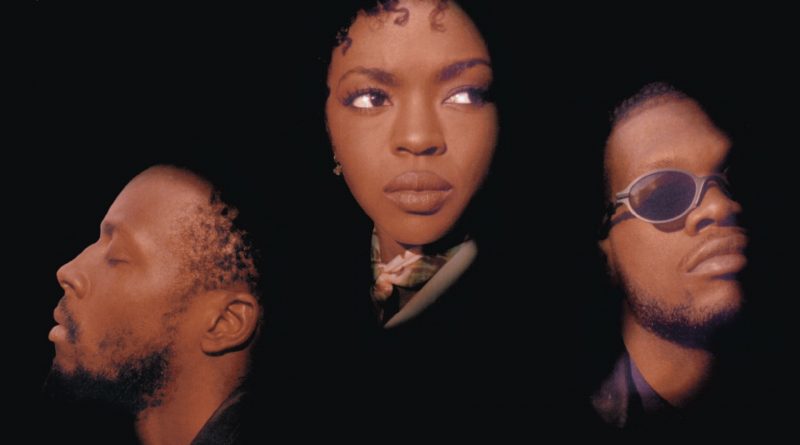
Ready or Not: Fugees’ The Score Turns 30
Looking back on a singular rap classic
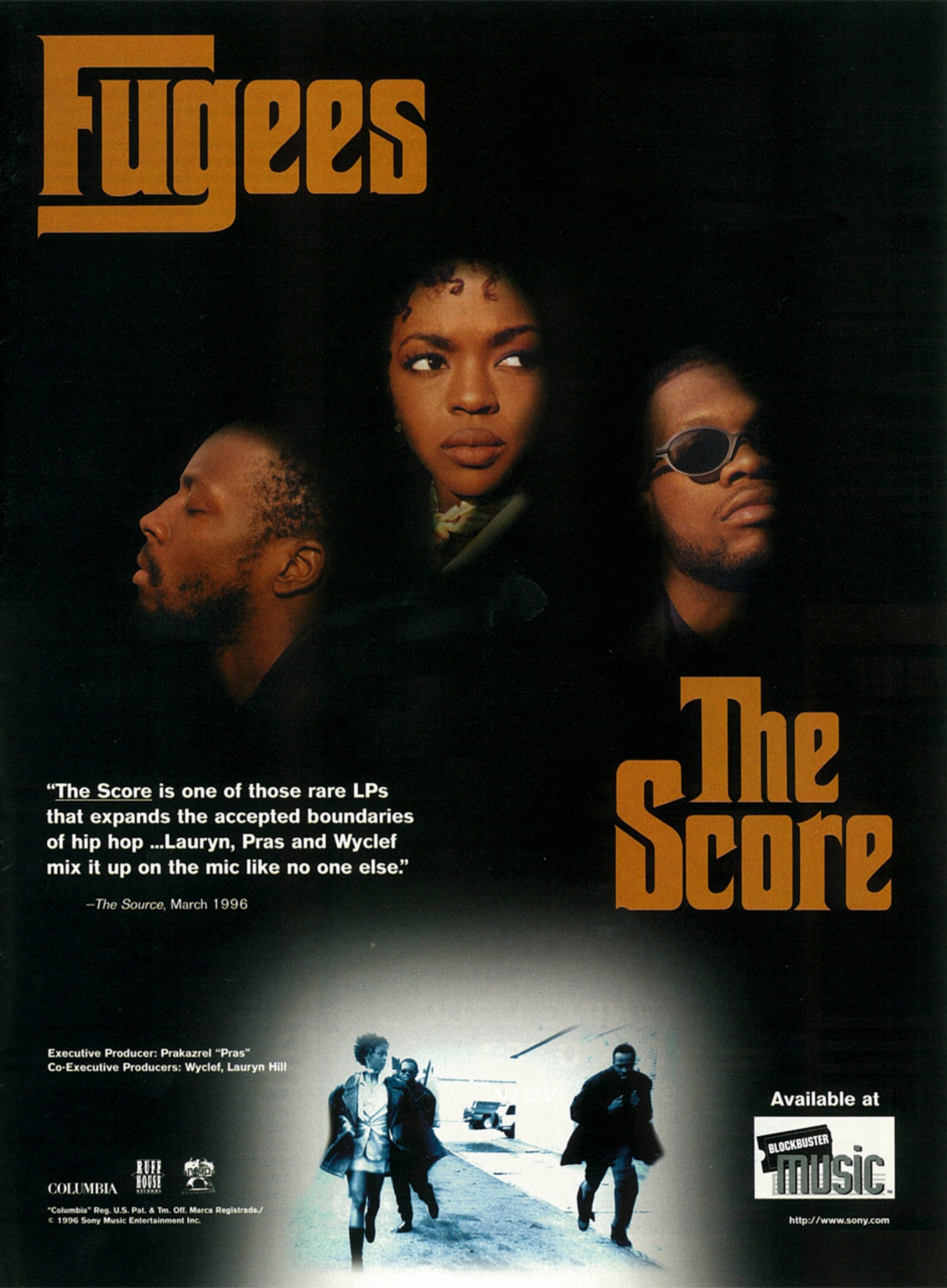
Time to settle The Score: What’s the last No. 1 album you can think of where the participants are all alive but never followed it up?
Even funnier is the fact one of the principals (the most principal, most would argue) scored a No. 1 spinoff of her own and then never followed that up either with a further solo career even after it became the first rap album to win the Grammy for Album of the Year, along with plenty other statuettes.
There have been several attempts to revive the Fugees over the last 30 years and they always seem worse off after each one; the most recent reunion tour was not only canceled in 2024 but Pras sued Lauryn Hill over it, she accused him of borrowing money to pay for his legal struggles, and now he’s serving a 14-year prison sentence for criminal conspiracy.
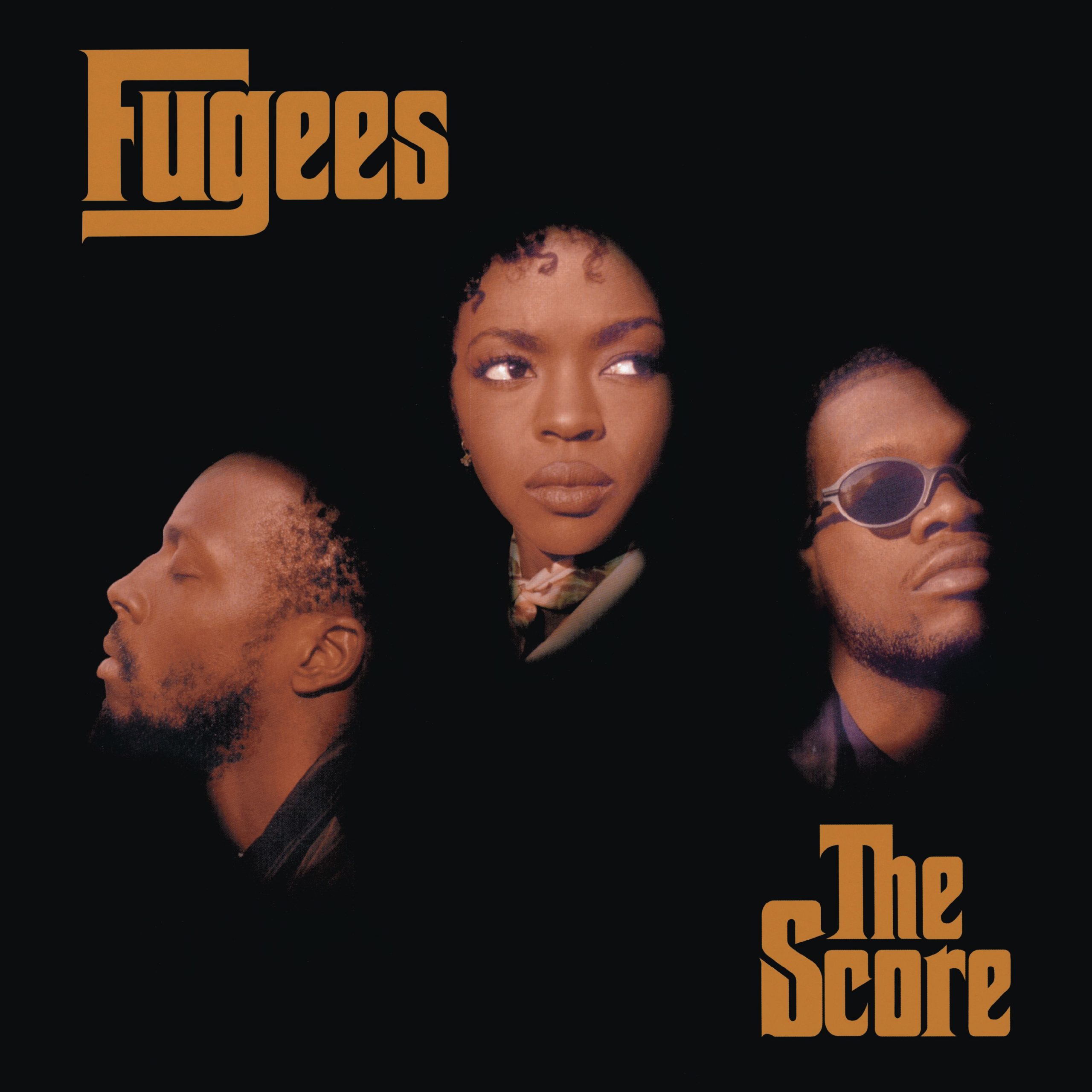
That’s only the most recent tribulation for the group, after Hill served three months in jail for tax evasion in 2013 and Wyclef Jean clashed with the IRS for various fraudulences with his charities in the early 2010s after trying to run for president of Haiti, a country he doesn’t live in. So The Score is kind of a regrettable title for three young people new to being famous who’d go on to struggle with money management.
But it’s also one of the best rap albums ever made — and for once that also happened to be one of the bestselling. Not only did the Fugees seamlessly weave singing and rapping together like very little music to come before them, it wasn’t the product of one singer in a group with rappers or vice versa. Where TLC’s embattled, departed Left Eye was often relegated to one rap verse on their songs, Lauryn Hill rapped even more than she sang on The Score (aftermentioned No. 1 spinoff The Miseducation of Lauryn Hill had both but tilted plenty toward singing) and Wyclef not only sang plenty himself but wielded a guitar, too. And this wasn’t some jocular college-rap novelty or Beck situation — The Score was at the forefront of Black music in 1996 as surely as 2Pac.
VIDEO: Fugees “Fu-Gee-La”
And that meant sampling the Flamingos’ “I Only Have Eyes for You” on “Zealots,” a dynamic, cross-generational marvel that, among other things, turned a waltz-time doo-wop into 4/4 boom-bap. All while Lauryn boasts “my grammar pays like Carlos Santana plays ‘Black Magic Woman’” and Wyclef says he’ll “vanish like Menudo,” which applies more to the Fugees than Menudo. It’s impressive how much the hits dominate, and of course they cheat: turning the Delfonics into ghostly torch song on “Ready or Not,” Bob Marley into acoustic amateur night at the quad on “No Woman, No Cry” and, most famously, Roberta Flack into “one time, two time” on Hill’s own showstopper “Killing Me Softly,” reprised at the Grammys just weeks ago without Pras. Best of all is the flip most obscure to crossover audiences (heard Wyclef’s solo guitar “No Woman, No Cry” all the time on alt-rock stations), “Fu-Gee-La” turning Teena Marie’s R&B number-one “Ooh La La La” into a dusty, haunting beaut over Salaam Remi’s faintly gorgeous backbeat. With love to Lauryn’s indelible Hot 100 topper “Doo Wop (That Thing),” it’s the finest moment of everybody involved.
VIDEO: Fugees “Killing Me Softly With His Song”
But the creaky RZA atmospherics of deep cuts like “Family Business” and “The Beast” are much fuller than filler, predating the gentle melodic overtures of Mos Def and Common while multiple “Refugee Camp” associates provided a tag-team Wu-Tang feel, tough talk and all. Or as the now-passed John Forté relays on “Family Business,” “if you think loose lips sink ships / Imagine full Glock clips.”
Few people consider Wyclef a great lyricist, though, and it just seems widely understood that Fugees’ rap gift was wholly musical, passing the mic around over gritty dirges fit for Mobb Deep (“The Score,” “How Many Mics”) or soothing soundbeds for detours of sonorous patois. “The Mask” even cuts up some bluesy New Orleans jazz, while the posse cut “Cowboys,” bends a sitar into an imagined Morricone spaghetti western by sheer force of chutzpah. (And somehow it’s not even the only Wyclef joint to interpolate “The Gambler.”)
The Score is ultimately a flash of lightning, and maybe the serviceable-to-great MCs in Refugee Camp knew that. Wyclef has released plenty of versatile, enjoyable music from his Bee Gees cop “We Trying to Stay Alive,” to his version of “Guantanamera” to his interjections on Shakira’s worldwide enormity “Hips Don’t Lie.” The Miseducation of Lauryn Hill started with four bangs: “Lost Ones,” “Ex-Factor,” “To Zion,” “Doo Wop,” then went squish, despite what many revised canons now say. Pras got his lone solo hit remaking “Islands in the Stream.” Wyclef is the only one who’s hit the studio with any type of frequency. And just over 20 years ago, an attempted comeback single under Fugees’ name, “Take It Easy,” came on strong with an upfront Lauryn and a more forthright instrumental than anything on their breakthrough swan song, but no real chorus or breathing room. It sounded more like Talib Kweli (or at best, Black Star, who did swipe from 1994’s “Vocab” themselves) than anything. And then there was nothing else.
VIDEO: Fugees “Ready Or Not”
The Score’s legacy is rarely questioned, though it’s not usually analyzed too deeply either. These days it might even be considered lightweight or something. I say it’s a strong brick in the foundation of rap’s musical legitimacy, which doesn’t mean rap should have needed dorm-room Bob Marley to break through a few more ceilings. There’s just a free-flowing melodic sensibility and a trust between three then-amigos given total creative control and a six-figure advance by Ruffhouse Records even after they flopped commercially on their little-spoken-of debut Blunted on Reality. (Though Sublime’s Bradley Nowell did hit posthumously quoting “never had no battle with no bulletproof vest” from “Nappy Heads.”) If you only value musical extremes, the balance of hard, soft, sweet, sour, easy and tongue-twisting, and of course, rapped and sung will not move you.
Maybe The Score should be talked about more as one of the best pop albums ever. That settles that.

- Talk This Way: Run-D.M.C.’s ‘Raising Hell’ Turns 40 - May 17, 2026
- Down Rodeo: Rage Against the Machine’s Evil Empire Turns 30 - April 16, 2026
- Ready or Not: Fugees’ The Score Turns 30 - February 17, 2026
You May Also Like
-
 November 15, 2018
 -
 March 21, 2019
 -
 October 20, 2020
