
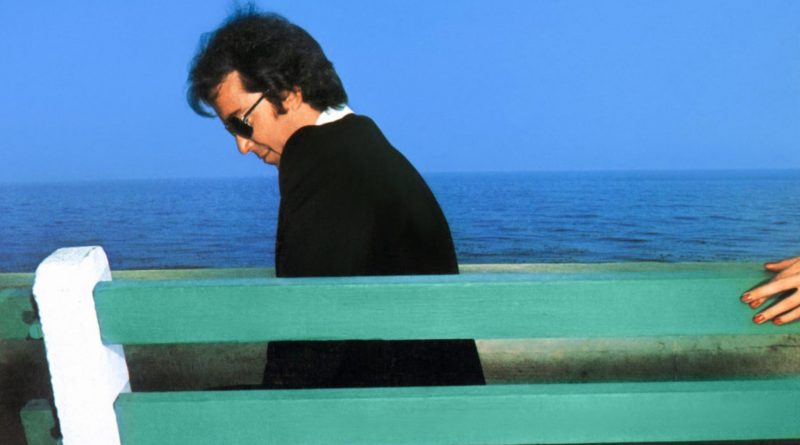
Lowdown: Boz Scaggs’ Silk Degrees Turns 50
Looking back on a Bicentennial American classic
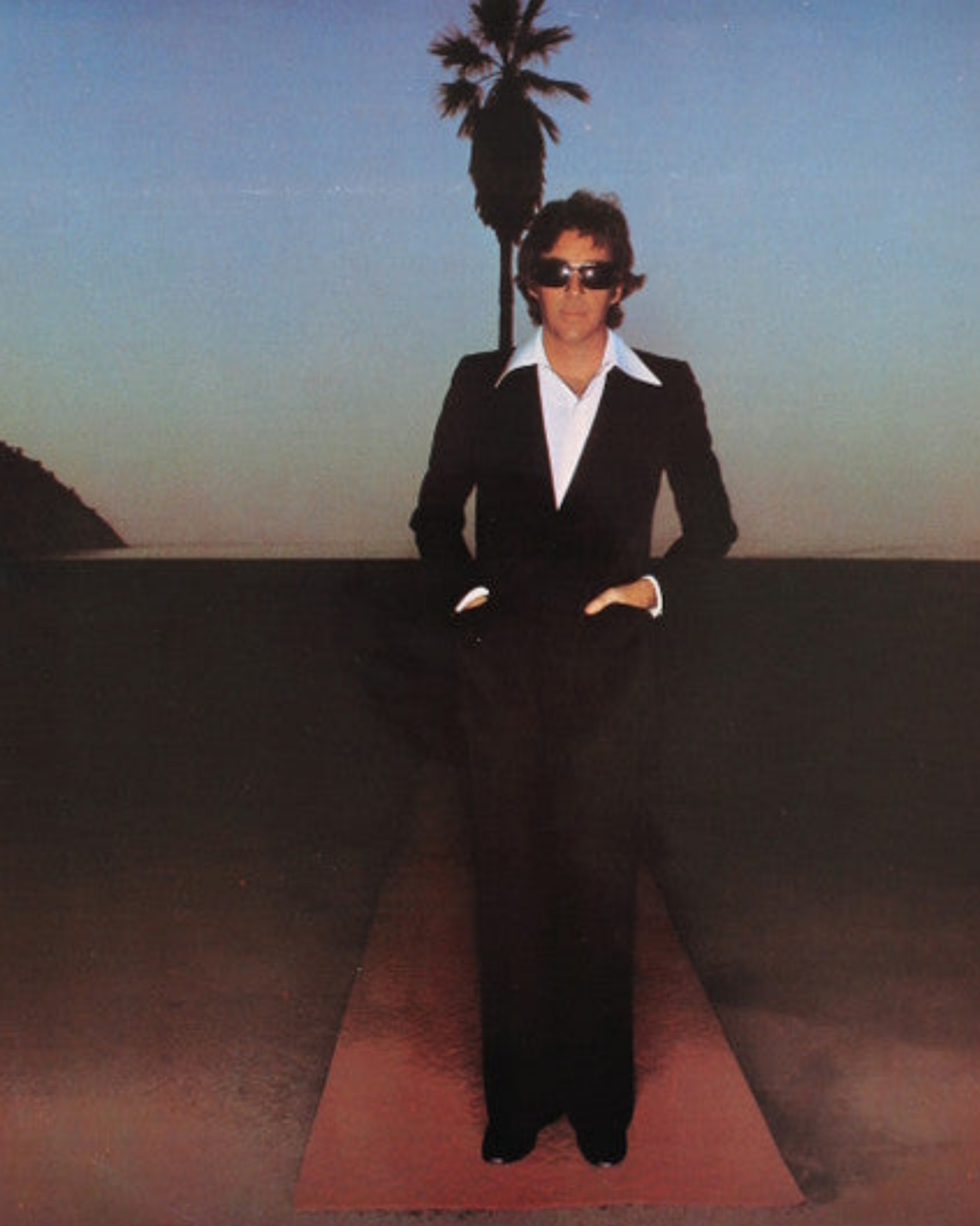
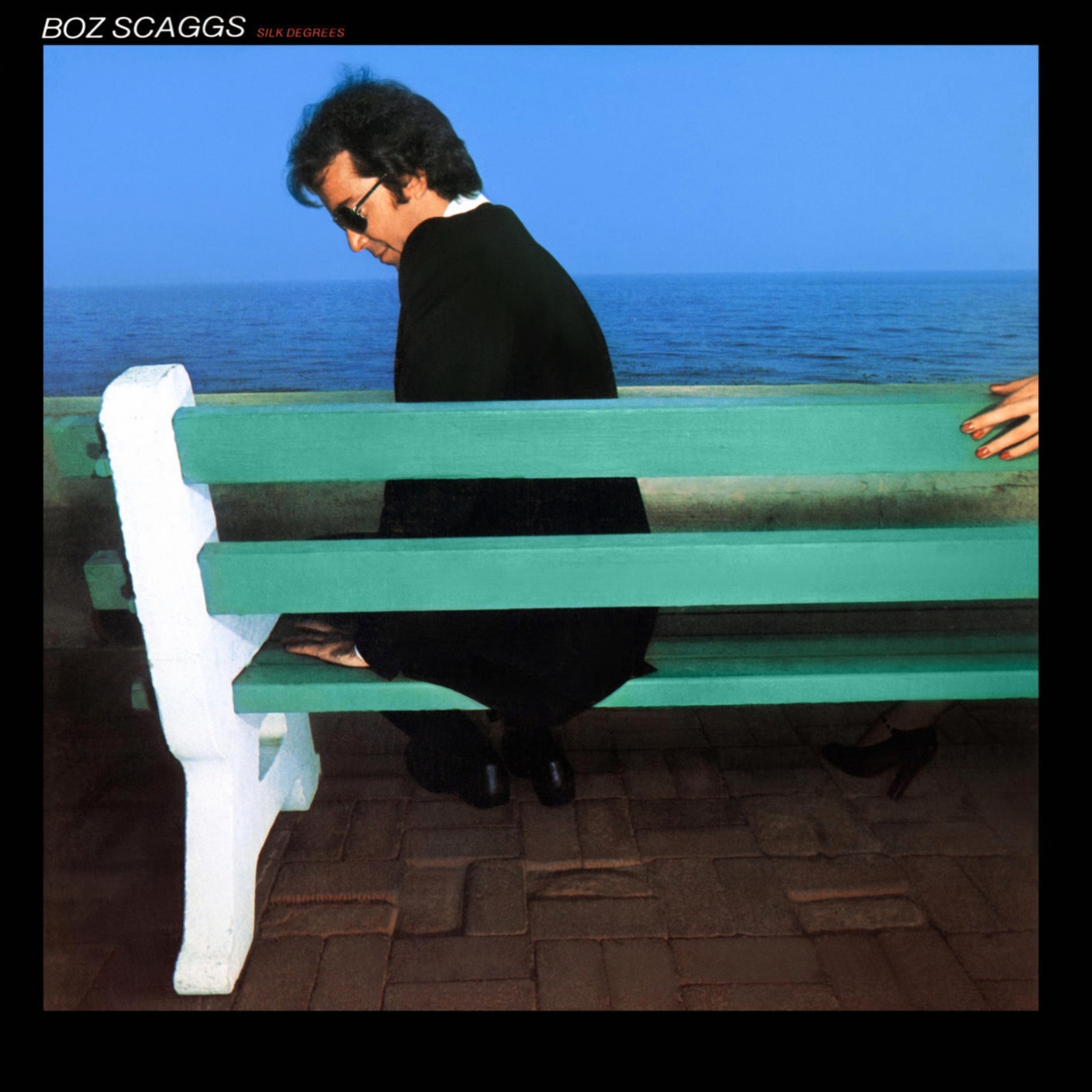
When Boz Scaggs released Silk Degrees — on Feb. 18, 1976 — there was little to indicate that it would become one of the most popular albums of the Bicentennial.
Though it may have seemed like he was an overnight sensation to some people, Scaggs had actually been toiling away for a decade by ’76. While he wasn’t exactly obscure, he was far from a household name; a journeyman is more like it.
Born William Royce Scaggs, he had spent some time as a member of The Steve Miller Band and had also released half a dozen albums of his own. It’s hard to believe, but Silk Degrees was actually his seventh solo outing! And in this case, seven was definitely a lucky number.
Silk Degrees was recorded in Los Angeles and produced by Joe Wissert. Scaggs assembled a team of crack session musicians for the album, some of whom he’d worked with before. These included three members of the band that would become Toto: keyboardist and arranger David Paich, bassist David Hungate and the late Jeff Porcaro on drums. Other musicians on the album included percussionist Joe Porcaro (Jeff’s Dad), guitarist Fred Tackett and top notch brass players like Chuck Findlay and Tom Scott. The result was not only the biggest (and arguably best) album of Scaggs’ career but also a benchmark of blue eyed soul.
Scaggs once talked to the great journalist Anthony DeCurtis about working with David Paich. “David was in his early 20s and just making a name for himself,” he recalled. “We both listened to the black side of the radio dial: Marvin Gaye, The Isley Brothers, Ray Charles. He… took the raw tunes I had, worked on the arrangements and finished them up. I still credit him with being the single most important individual in my entire career.”
The album kicks off with “What Can I Say.” A three-minute Paich co-write, it was the least successful of Silk Degrees’ four singles, peaking just outside the Top 40, That said, it’s a great song and a perfect way to open the album, capturing as it does Scaggs’ mix of pop, rock and soul. It’s followed by another upbeat tune, “Georgia,” which Scaggs penned on his own and which got a fair amount of AOR airplay back in the day.
From there, we get another Paich co-write but it’s quite different from “What Can I Say.” “Jump Street” is a bluesy, midtempo song: Definitely an album track but to these ears, a great album track. Legend has it Scaggs wrote the words for “Jump Street” 10 minutes before recording it! Batting cleanup is “What Do You Want the Girl To Do,” a solid song written by the late, great Allen Toussaint. The stately ballad “Harbor Lights” — which is the album’s longest track at nearly six minutes — brings side one to a close.
Surprisingly, Silk Degrees gets better from there! All the songs on side two were co-written with David Paich except the last one. Three of the five songs were charting singles and one of the other two became a smash for someone else. But more on that in a minute.
Side two opens with “Lowdown,” the album’s biggest hit (it went to No. 3 on the Billboard Hot 100 chart) and a bona fide classic. Scaggs is in top form vocally and he gets an assist from a group of background singers. Paich provides further assistance on mini-Moog and David Hungate’s prominent bass keeps things in the pocket. Scaggs has called “Lowdown,” “the most important song in my repertoire.”
The upbeat “It’s Over” is next. Yet another Paich co-write, it was a minor hit and is another winner (if not so transcendent as “Lowdown”). That’s followed by the midtempo “Love Me Tomorrow.” The only track on side two not to become a hit, it’s a solid song nonetheless.
From there, we get the “Lido Shuffle,” the other smash from Silk Degrees. It’s a bit more rock-oriented than most of the album and once again benefits from a mini-Moog solo by David Paich. The disc ends with the ballad “We’re All Alone.” While it’s a very good song, in the interest of honesty, it finds Scaggs singing at the top of his register. Though not released as a single, “We’re All Alone” did score Rita Coolidge a huge hit one year later.
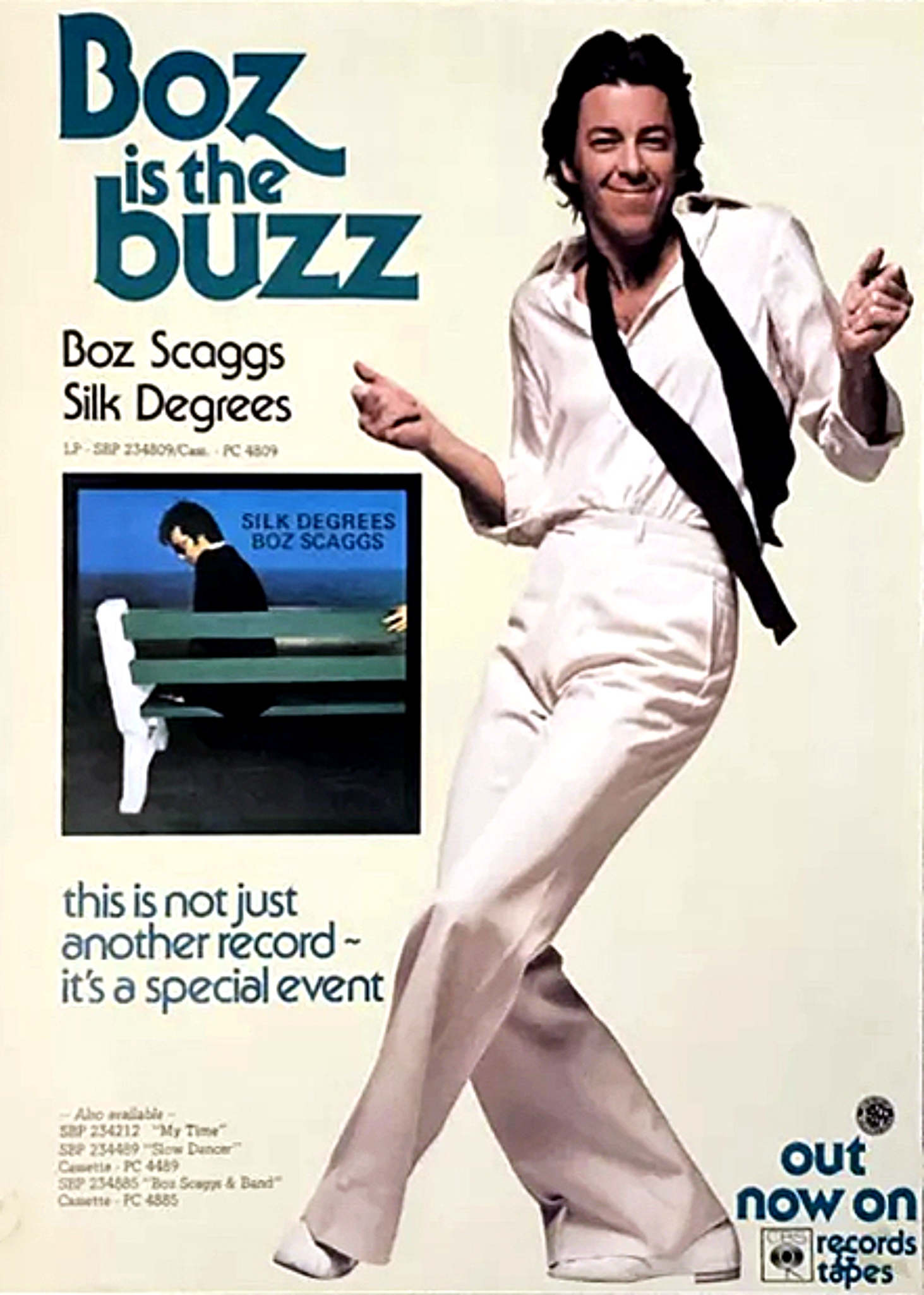
Silk Degrees brought Scaggs firmly into the mainstream after years of being an artist with a cult following. The awards and accolades it received were numerous. “Lowdown” not only cracked the top five on the pop charts but also on the Black and disco charts. In 1977, it took home the Grammy for Best R&B Song. Beyond that, Silk Degrees was nominated for Album of the Year and Joe Wissert was up for Producer of the Year. The album spent more than two years on the Billboard charts, ultimately peaking at No. 2. It is now five times platinum and counting.
Yet perhaps the album’s greatest accolade — or at least the most shocking — may have been that critic Robert Christgau liked it!
“Scaggs is criticized for his detachment, but I say it’s subtlety and I say thank god for it,” he wrote in The Village Voice at the time. “In the past, he’s sometimes bought (not to mention sold) his own lushness, but this collection is cooled by droll undercurrents–white soul with a sense of humor that isn’t consumed in self-parody.”
Beyond the awards and accolades, Silk Degrees proved to be influential on other musicians during the latter half of the ‘70s. Paich, Porcaro and Hungate would team up with singer Bobby Kimball, guitarist Steve Lukather and keyboardist Steve Porcaro (Jeff’s brother) to form Toto the following year. Moreover, it’s hard to imagine the success of certain other artists without the album. The second incarnation of The Doobie Brothers — which saw Michael McDonald replace Tom Johnston as frontman — to name one. And in 1979, Rickie Lee Jones made an immediate splash on the pop music scene. Her blend of pop and R&B and command of streetwise lyrics owed something to Scaggs (just as he owed something to Van Morrison).
Now 81, Boz Scaggs is still recording. He released good music before 1976 and he has released good music since. But Silk Degrees is the album where it all came together — where his years of work paid off to create a sound that was both familiar and original.
And 50 years later, it still sounds fresh.

- Gumboots: Paul Simon’s ‘Graceland’ Turns 40 - August 27, 2026
- In Quintessence: Squeeze’s ‘East Side Story’ At 45 - May 15, 2026
- If the ‘Shoes’ Fit… - March 31, 2026
You May Also Like
-
 August 26, 2019
 -
 August 26, 2018
 -
 March 26, 2022
