
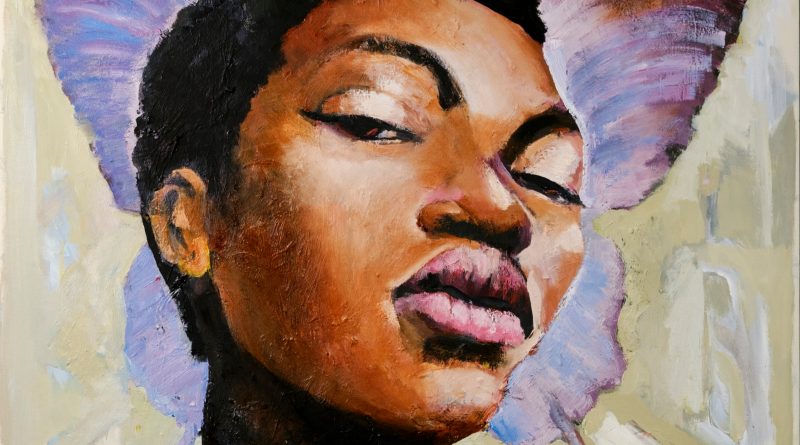
Brooklyn Funk Essentials Return with ‘Black Butterfly’
Catching up with bassist Lati Kronlund about the band’s 8th LP
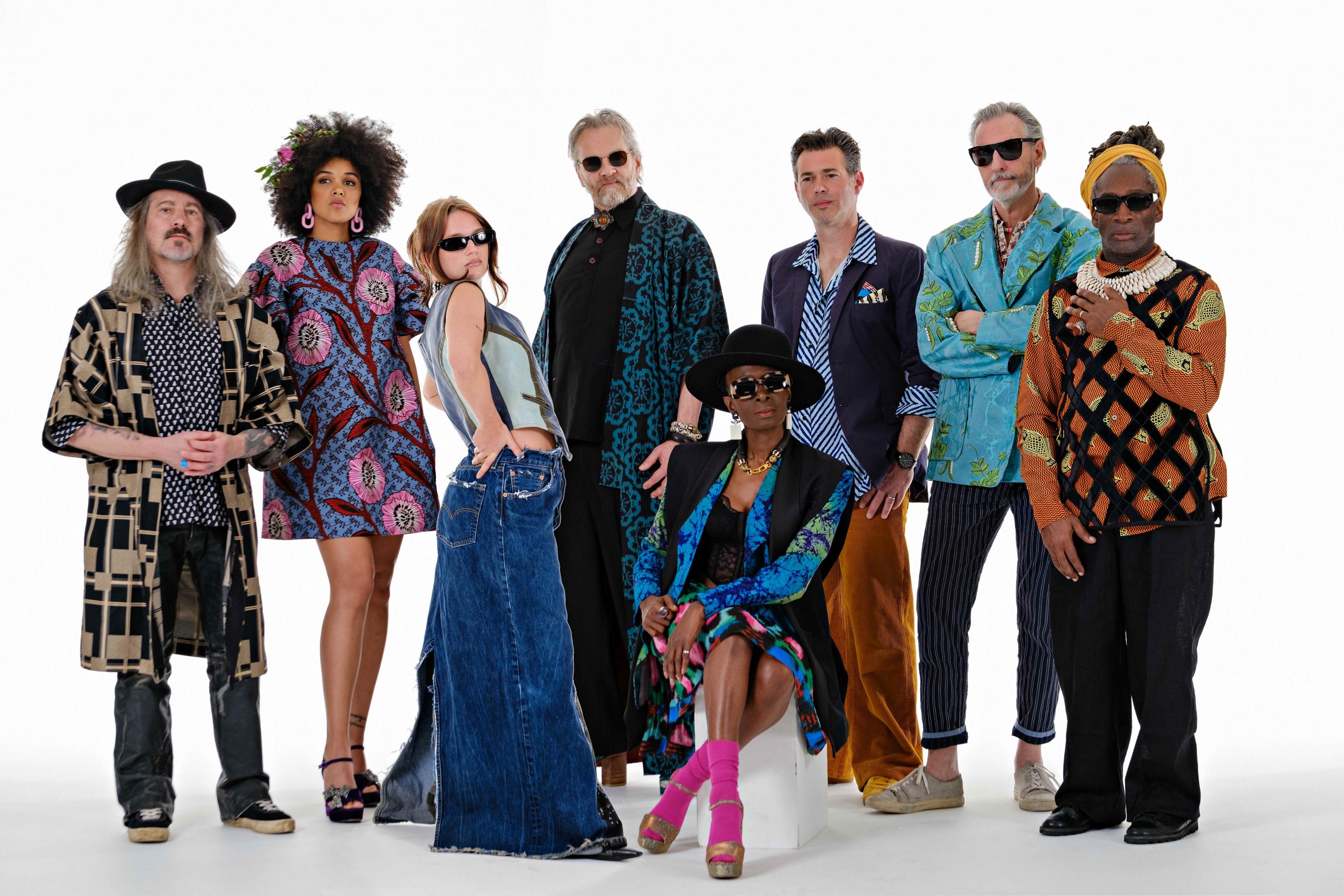
Brooklyn Funk Essentials, the multi-faceted soul unit launched in 1993 by bassist Lati Kronlund and legendary producer Arthur Baker, continues to keep the world in motion with their eighth album, Black Butterfly.
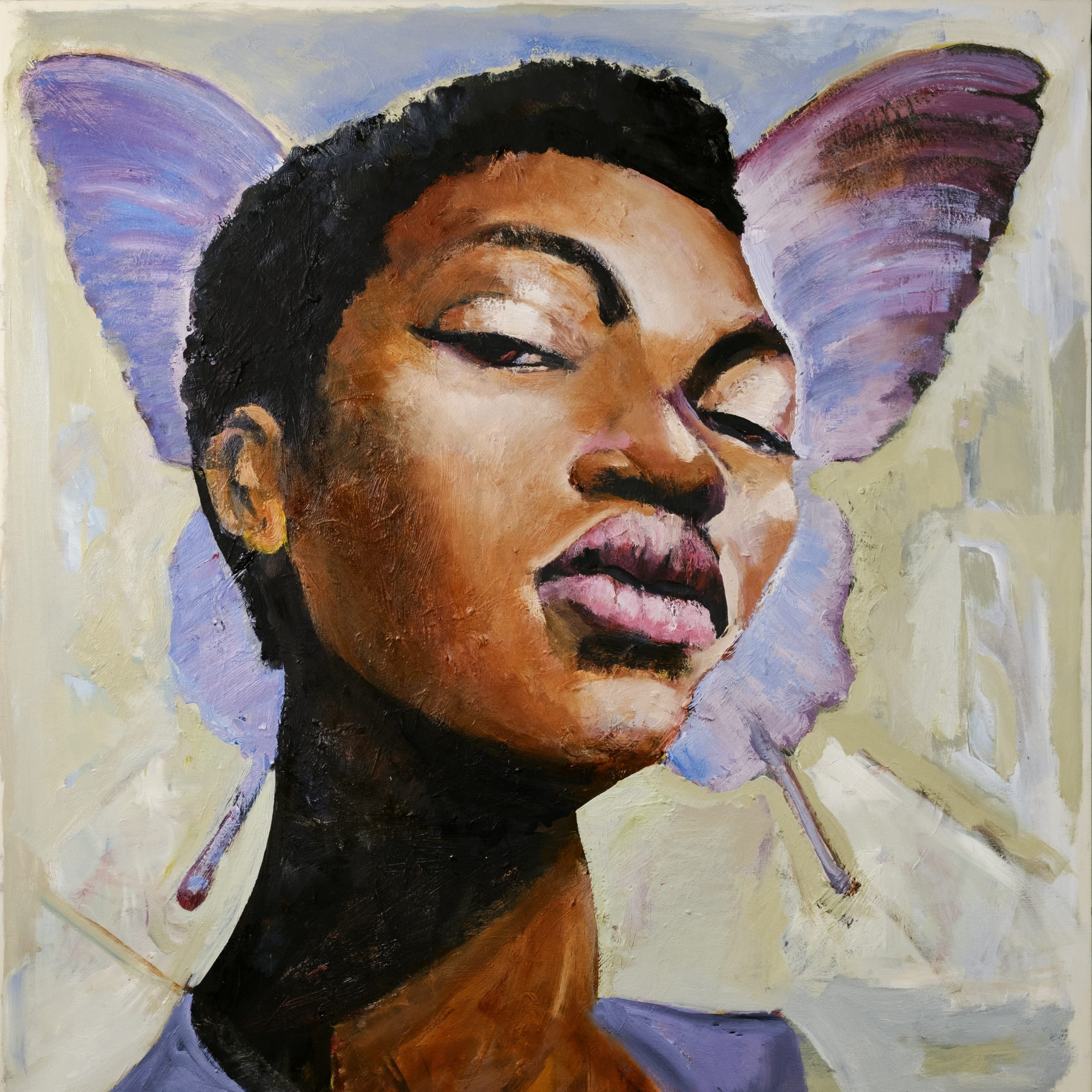
Kronlund explains, “The black butterfly is a symbol of hope, renewal and inevitable change.”
The album was produced and co-written by Kronlund, with vocals from Alison Limerick, Ebba Åsman and Desmond Foster. In fact, it was the 1990 Kronlund/Limerick single “Where Love Lives” that inspired Baker — who heard the song in a club in 1991 — to reach out to Kronlund to collaborate and eventually give birth to BFE.
Since their first release on longtime imprint Dorado Records, Brooklyn Funk Essentials have built a devoted international following and surpassed 100 million streams with their delicious blend of soul, hip-hop, poetry, jazz and funk that was born out of Baker’s Shakedown Sound Studio in Jersey City.
The early recordings featured greats such as Maceo Parker, Lenny Pickett, Tower of Power Horns, Michigan & Smiley, and Dizzy Gillespie, leading to the acclaimed debut Cool & Steady & Easy. (1994).
Fast-forward to April 2024, when Kronlund reunited with Baker in Miami, rediscovering recordings featuring percussion prodigy Bashiri Johnson, which inspired new creative sparks for the next chapter of Brooklyn Funk Essentials.
The result is one of their very best albums — a collection that fully envelops the magic and prowess by which BFE has done their thing for 33 years.
“Recorded live-in-the-studio, Black Butterfly finds the cadre of stellar musicians exploring a bounty of multi-rhythms, analog instrumentation, funky jams and winsome arrangements,” Kronlund explains. “Brooklyn Funk Essentials once again deliver a full length journey of songs within a lyrical framework of love, respect, inclusion, hopefulness and dreams.”
Rock & Roll Globe is honored to interview Kronlund about Black Butterfly and the enduring legacy of BFE.
For more information on Brooklyn Funk Essentials, visit them at brooklynfunkessentials.com.
What is the meaning behind the new album’s title, Black Butterfly?
The black butterfly is a symbol of change and hope for a completely new future.
It was inspired by the writings of Octavia Butler.
I was 4 during the 1977 Blackout that you address in the first song of the album. Do you remember where you were at the time?
I was 16 that summer. I had visited New York for the first time earlier that year and it was the first time that I went to record stores looking for funk 7-inch singles. In the summer of ’77, I worked in a record store in Stockholm, Sweden. Not sure what I did on July 13th, but the week after, I saw the Sex Pistols live at Karen.
VIDEO: NBC News coverage of the 1977 NYC Blackout
How did this new material come together?
“’77 Blackout” was mainly written by drummer Hux and arranged during jam sessions by Hux, Lati, Des and Ebba.
I had the idea of calling it “’77 Blackout” after reading Neneh Cherry’s biography which mentions how the looting probably was partly responsible for getting music equipment and DJ equipment to the budding NY stars of punk and hip-hop music.
“Bust The Bus Stop” is a track that I (Lati) originally wrote in the mid-90s. Ebba came up with the new horn riff.
“Never Give Up” grew out of the conga groove which was given to me by Arthur Baker when we hung out in Miami in 2024.
The lyrics are about holding on to respect and love when times are shit. Not letting the evil powers win and make us hate.
“Voodoo Gates” started off as a jam with drums, bass and guitar. It was part New Orleans part Afrobeat. Stoffe added the synth which inspired me to bring the song to Detroit techno. Ebba added the legato trombone melody which brought a classic cinematic feel to the song. “Voodoo Gates” was the name of my late father’s first jazz band in 1947.
“Come Back For Real Love” was originally written by Arthur Baker and myself as Alison Limerick’s second single. We thought we would do a new version of it, just for fun.
“Shameless” was a lyric / melody that Alison brought to the jam sessions. It worked well with a groove that was originally inspired by Lonnie Liston Smith and Grace Jones.
“The Girl From Outer Space” really just happened. Lati found the title on a 1950s pulp fiction book, which inspired Alison to write the words and Ebba to another cinematic trombone melody. Hux played a drumbeat which Lati slowed down and turned into a Norman Whitfield type slow funky space jam.
“Black Butterfly” was a song that I dreamt. The lyrics are inspired by the dystopian sci-fi writings of Octavia Butler.
What inspired the reimagining of Talking Heads’ “Life During Wartime”?
We originally recorded this as a mash-up between “Life During Wartime” and “Disco Inferno” in 2007. But our management said that we would never be able to release it as it would be a publishing nightmare. I then found Desmond’s vocal and started playing around with a new groove for it. Loic came up with the Afrobeat-inspired horn lines. The subject matter seemed very apt for the times we are living in.
AUDIO: Talking Heads “Life During Wartime”
How did the reunion with Arthur Baker come about and how did it inform the direction you took here?
I have never lost touch with Arthur Baker since we started working together in the ’90s. We have been great friends ever since. I was in Miami in April 2024 and stayed with Arthur. We did some DJ sets together and started talking about doing more music together. When we first started working on the Cool & Steady & Easy album in 1993, we were using old recordings from Arthur’s tape cabinet with funk legends like Maceo Parker and Lenny Pickett. Arthur told me he had found more stuff and gave me copies of it. “Never Give Up” came about from that. Arthur thought it would be inspired by Afrobeat, but I wanted to go Philly meets Brit-soul instead…
How did you discover Arthur Baker as a music fan?
As a kid, I remember hearing “Planet Rock” and being blown away. I was already a big Kraftwerk fan so that clicked immediately.
Seems the Brooklyn Funk Essentials spend more time in Europe than Brooklyn these days. What is it about Europe that inspires you to spend more time there, including touring?
After 9/11 (in 2001) the band took a five-year hiatus. Many band members left New York, as things were getting weird with the war and everything. I got production work in France and relocated from New York to Paris. When we got back together again in 2006, it was because we got invited to play festivals in Europe and Asia. At that time we were still mostly based in the U.S., but we got most gig offers in Europe. Eventually, more band members were replaced by musicians based in Europe. Today’s BFE is entirely based in Europe (London, Paris, Lisbon, Stockholm) so it is natural for us to tour a lot in Europe. But we would love to play more often in North and South America.
What are your thoughts on the music scene in the United States these days? Do you find it promising or too fragmented for its own good? How does it compare to what’s happening overseas?
It seems to me that a lot of the best music coming out today is not necessarily rooted in a specific culture or geographical area. I love Khruangbin, and though they are quick to mention their Texas heritage, their music is inspired by instrumental Thai pop-funk, African ju-ju and hip-hop, etc. I also think that SAULT are fantastic, and their music is based in classic soul and funk with lyrics that seem very inspired by the BLM movement, which connects it to the Civil Rights movement. Their vocals are a blend of American and English which brings to mind early Neneh Cherry. Other acts that I really like are FKA Twigs, Solange, Doechii, Little Sims, Chronixx, Kendrick, Kokoroko, DJ Maphorisa. I think it’s been a huge boost to music all over the world that we now have super stars coming out of African countries and the Far East. Jamaican music already had a massive impact on hip-hop and R&B since the ’80s and ’90s — that eventually led to U.S. acts working together with Jamaican acts. Now we are seeing it with artists from all over the world. The biggest pop song right now is a collaboration between Swedish and South African women. Who would have thunk?!
America is not being marginalized, but the clever and creative people are finding that there is a world outside of the U.S., and that is great..
VIDEO: Brooklyn Funk Essentials “Never Give Up”
It’s been 33 years since the first BFE album was released. How does it feel to be so far removed from that era, especially considering how much society has changed since the mid-90s?
It is sometimes very hard to come to grips the way the world has turned. In the early ’90s when we got started, there was a general feeling that we were on the right track to something better. The Berlin Wall had collapsed as had the Soviet Union. Nelson Mandela was free and South Africa was ending apartheid. After the Reagan-Thacher ’80s we were moving into the Clinton-Blair ’90s and it felt like things were moving in the right direction. Musically, we were trying to merge hip-hop with jazz, funk and reggae. Lyrically, we were trying to find inspiration from the pre-rap poetry of Gil Scott Heron, Linton Kwesi Johnson and The Last Poets. We also wanted to be an all-star-band, where no-one was more important than the next person. Men and women mixed. Straight and gay. All colors.
Today, people are really into hate. It is very sad. We try to still bring some hope and happiness.
Are there any plans to tour the U.S.? What are your thoughts on the idea of touring the States during this moment in history?
We have been working on planning a tour of North and South America for some time now. Suddenly, it has gotten more difficult, when some members of the band may have problems getting visas to the U.S. But we keep pushing. The U.S. is still our biggest market for listeners and we get a lot of love from our American followers. But it is also a matter of finances. The U.S. is really difficult to tour these days if you don’t have a big financial backer, so for an indie funk band like ourselves, it’s tricky.

- Brooklyn’s Alejandro Debuts With ‘¡Con Gusto!’ - October 20, 2026
- Billy Joel’s ‘Turnstiles’ Celebrates 50 Years with New Box Set - October 19, 2026
- Diana Darby Honors Old Friend on ‘Otterson’ - October 17, 2026
You May Also Like
-
 July 23, 2019
 -
 August 16, 2022
 -
 April 6, 2019
