
The Purity of Seefeel
Two recent reissues reflect on London band’s sonic legacy

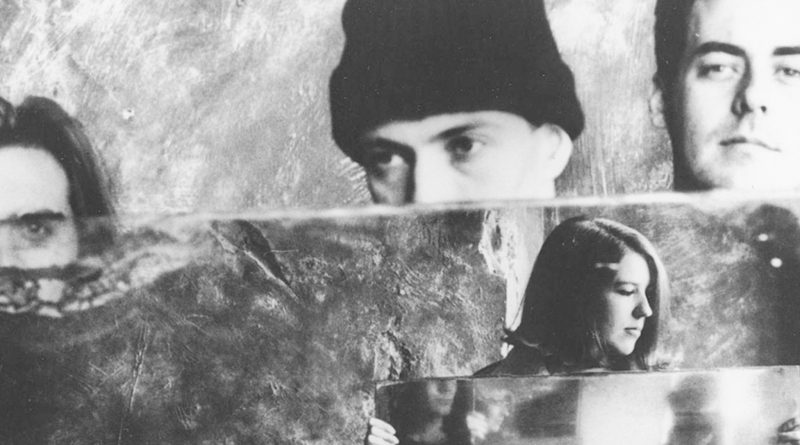
Existing in a netherworld where shoegaze and electronic music intersected, London’s Seefeel were one of the most forward-thinking bands of the 1990s and beyond.
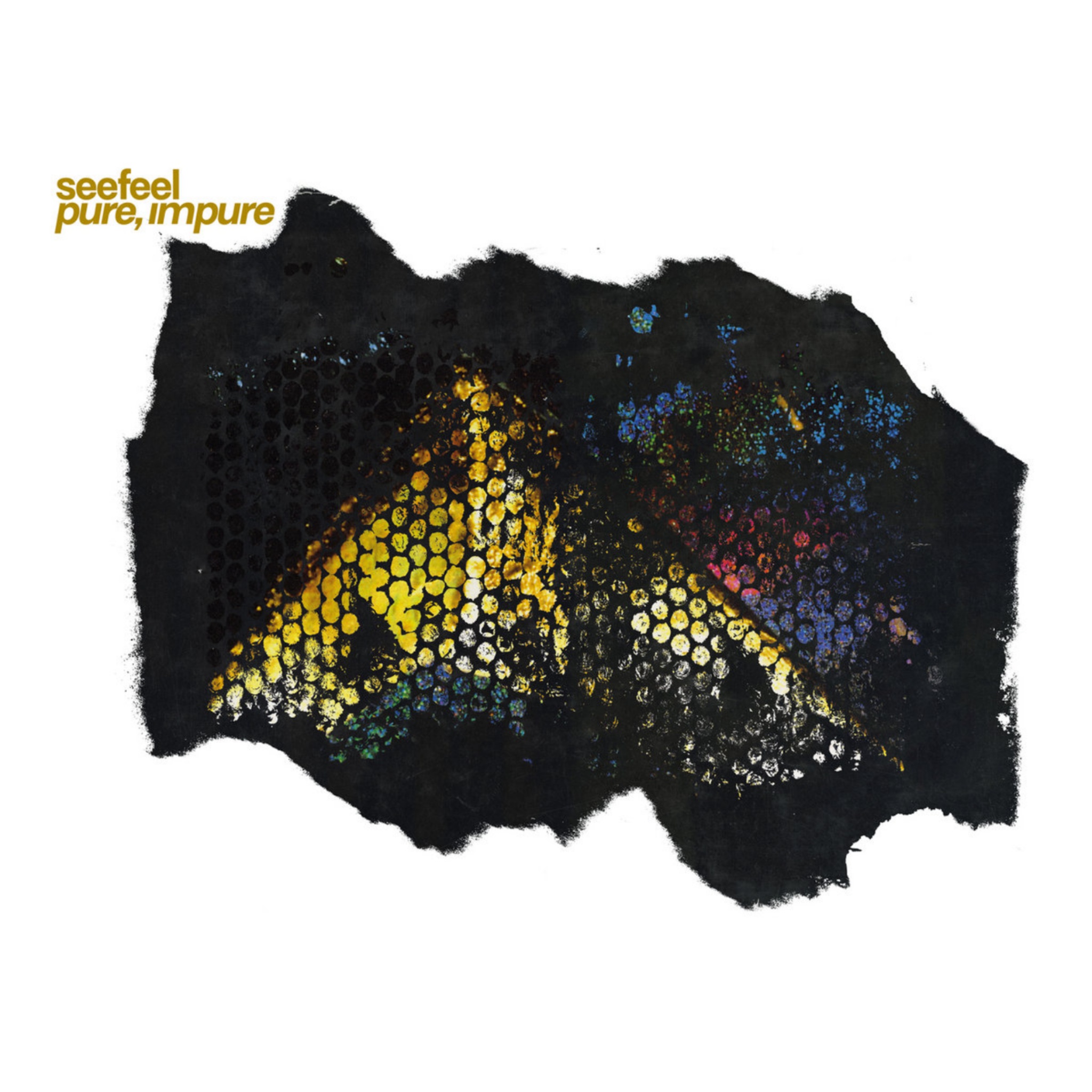
Last year, we were treated to deluxe editions of their early works on the iconic Too Pure label (Mcklusky, PJ Harvey, Stereolab), including a two-disc version of their 1993 debut LP Quique along with an expanded expanded version of their 1993 EP Pure, Impure that collects all three of the EPs they released at the time.
This new, expanded version of Pure, Impure brings together Seefeel’s three classic EPs. Available for the first time on vinyl, the three EPs that now comprise the release, More Like Space, Plainsong and Time to Find Me, include Aphex Twin mixes and a previously unreleased demo of “Moodswing.” As the group delved deeper into electronic music, the songs contained within Pure, Impure are indicative of Seefeel’s evolution over the past 33 years on later albums like Succor (1995), Seefeel (2004) and Everything Squared (2024) — all of which were released on Warp Records.
Rock & Roll Globe had the opportunity to send the band some email questions late last year about the reissues of Quique and Pure, Impure, to which guitarist/programmer Mark Clifford and vocalist/guitarist Sarah Peacock were gracious enough to answer.
Both expanded editions are available now at better record stores everywhere.
What initially drew Seefeel into electronic music when you were first starting out as a band?
Sarah: We’d all grown up with synthpop, Kraftwerk, the BBC Radiophonic Workshop on TV. We listened to a wide range of stuff, post-punk (Cocteaus, Bunnymen, Talk Talk, The Raincoats), dub (Mad Professor, On-U Sound) and selectively from the indie scene of the time (MBV, PJ Harvey, Moonshake) but as we were finding our feet the electronic stuff was the most exciting. In particular we loved Warp Records, Frankie Bones & Lenny Dee, DJ Colin Dale on Kiss FM, The Orb, Orbital.
What was the original concept for Seefeel when you first got together?
Sarah: Mark had been writing and demoing with Mark Van Hoen and found Justin from an advert he posted, I placed my own ad in NME and Mark got in touch. We had common loves of MBV and Cocteau Twins and wanted to emulate the effect they had on us. We were ambitious only really to play gigs, get signed and release records, do a Peel session etc but were keen to take it as far as possible and dedicate everything to it.

How much has “found sound” experimentation come into play during the recording of these early works on Too Pure?
Hugely — one of Daren’s legendary sayings was ‘we only sample ourselves’ and that was definitely true for these tracks. The rhythms were composed on drum machines, then sequenced and effect-ed. The guitars were processed so much they were unrecognisable, often re-sampled, run through multiple effects, turned backwards etc.
How did you end up on Too Pure, initially?
Sarah: We sent them our demo tape to get a gig at their ‘Sausage Machine’ club night. Paul Cox ran it and DJd, and even though we were terrible he saw something in us and said to keep in touch and send any new stuff we recorded. By the following autumn we had our sound better established, played a gig at the Bull & Gate where Paul and Richard Roberts saw us and they decided we should meet and discuss signing. We were invited to their Xmas party gig (Moonshake, Th’Faith Healers and Pram) in Harlow, Richard asked me at the end if I’d enjoyed it and said “you’re a part of this now” which gave me a thrill I’ve hardly matched since.
How much did rave culture factor into the music you were making during this time, even if it was to create an alternative to rave music?
Sarah: None of us were proper ravers but we did go to the Orb all-nighters at Brixton Academy and were definitely inspired by the experience, to use the structure and dynamics of EDM in our writing — I know Mark is a little cringe now at the four-to-the-floor rhythms from some of the early tracks, but they felt fresh at the time.
What is the story behind “Time To Find Me”?
Sarah: It was originally written as a clip of music for an animated film I made for my degree course. I invited Mark and Daren along to the film’s colour grading session, Mark said he’d like to hear the full recording which he worked up into the version that got released.
Sarah, how did you go about choosing which pieces of music should have vocals added to it? What was the songwriting process like for a group like Seefeel?
Sarah: In the early days I would try vocals on most of the tracks worked up in rehearsal or studio so the others could approve, those without were either complete without them, or nothing I tried worked. More recently Mark constructs them from samples, and approaches me if something more is needed.
How have you seen the evolution of the fusion of electronic music and live instrumentation since Seefeel first began?
Sarah: It feels like light years ahead. We used to use tape players for backing tracks, and all the vocal effects were at front of house. We didn’t have laptops, our effects units were heavy and rack-mounted, Mark used a big mixing desk on stage. All of this can be contained in way smaller, more powerful and versatile tech now
For the reissue of Quique, what was it like revisiting material to include on the bonus disc? Was there anything you revisited that you felt should have made the original cut?
Mark: That was all done a long time ago. As I remember, I was pleased that it still sounded decent to me and that I wasn’t having to sift through dog ends in order to create a bonus disc. I actually think the right choices were made for the album. “Clique” is a great track but whether it would have sat well stylistically I’m not sure. Most of the other bonus material is reworking of ideas on the album or EPs so likely wouldn’t have added much new
What inspires the Seefeel sound in 2026?
Sarah: I think Mark has succeeded in capturing the mood of the early releases with evocations of the sounds he pioneered back then, with the advanced tech available now the sound is lush and blissful.
Your remix of Maria Somerville’s “Stonefly” is magnificent. How did you go about your approach to the song and what are your thoughts on Maria’s music overall?
Mark: I listened until something resonated with me then played with it. I really like her voice but she asked me to keep it lower in the mix.
Sarah: I’m a fan, she’s a great talent and her voice is gorgeous.

- On and On and On, It’s Heaven & Hell - April 30, 2026
- Buddy Red Burns It Down - April 24, 2026
- The Lives of Famous Men Share ‘End Times Elevator Music’ - April 23, 2026
You May Also Like
-
 February 22, 2022
 -
-
 September 21, 2018
