
The Wild One, Forever: ‘Tom Petty and the Heartbreakers’ at 50
Looking back on the band’s eponymous debut
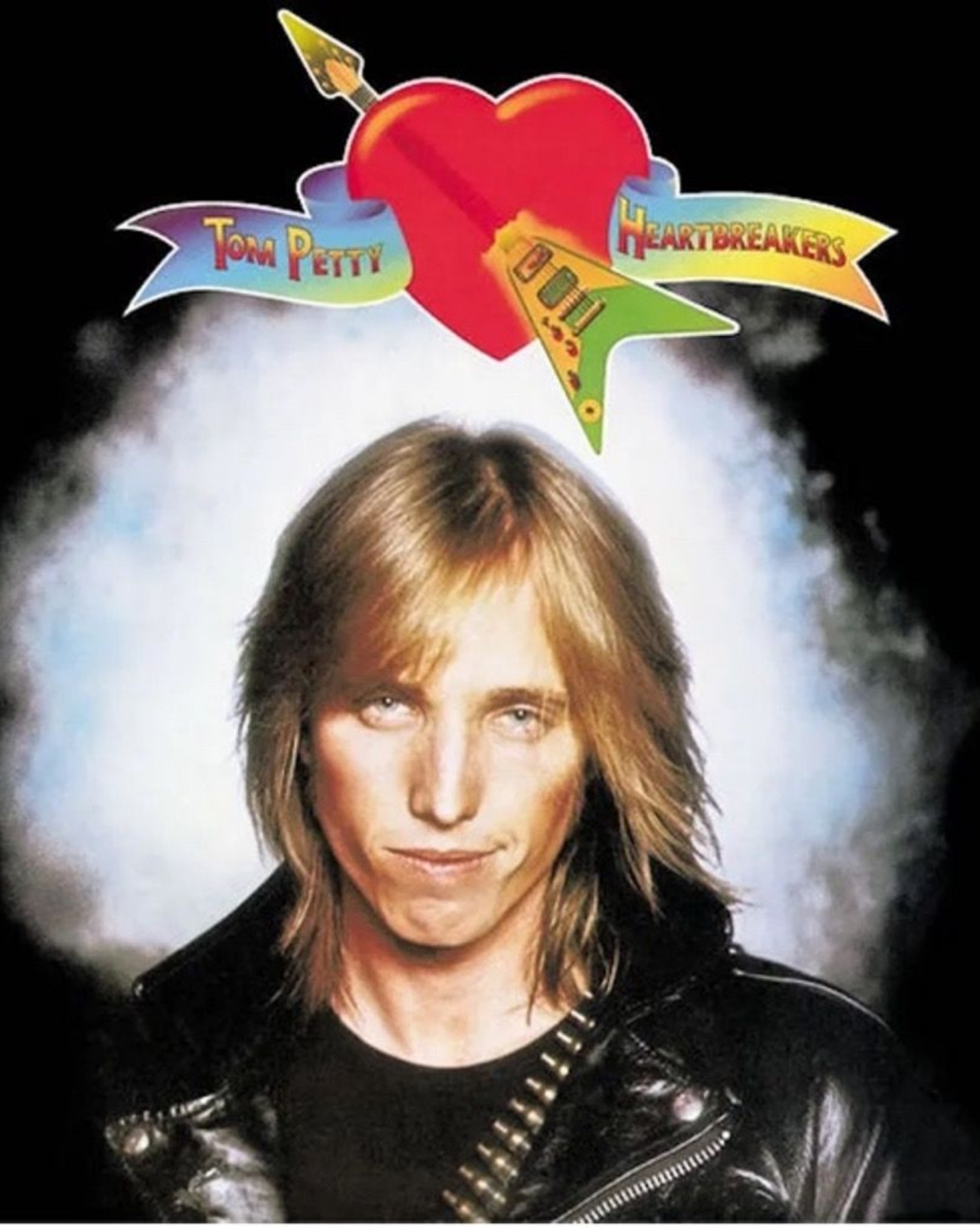
It’s hard to believe, but this week marks 50 years since Tom Petty and the Heartbreakers released their self-titled debut.
1976 was an interesting year — for America and for music. The country was celebrating its bicentennial. Gerald Ford was President, serving as a sort of lame duck between the disgraced Richard Nixon and a young liberal from Georgia named Jimmy Carter. The Cincinnati Reds swept the New York Yankees in the ’76 World Series. The Son of Sam killing spree was in full swing.
And the American pop charts were dominated by inoffensive artists like Peter Frampton, Steve Miller and Fleetwood Mac. Sure, the first stirrings of punk were happening in places like New York City (and the UK). But precious few people stateside could have told you who The Sex Pistols, The Clash or Elvis Costello were.
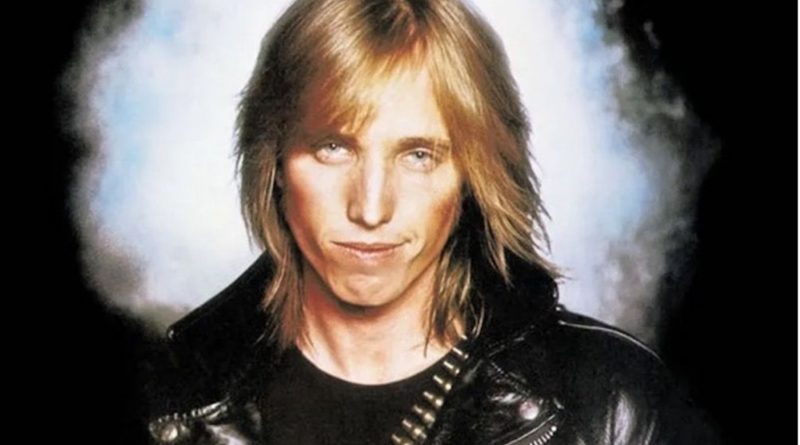
It was against this backdrop that a young band called Tom Petty and the Heartbreakers released their first album. The band was originally from Gainesville, Florida, but had relocated to Southern California. Petty — skinny and blond with a smile that bordered on a sneer — sang lead, played rhythm guitar and wrote most of the songs. But he received better than average backing from The Heartbreakers: lead guitarist Mike Campbell, keyboard player Benmont Tench, bassist Ron Blair and drummer Stan Lynch.
Their eponymous debut — released Nov. 9, 1976 on Shelter Records — contained 10 songs that ran just over half an hour in length. Clearly, this was not Yes or ELP! But when Petty and his cohorts first appeared, people in the music business had a hard time categorizing them — and what they couldn’t categorize, they had a hard time selling. Was this a rock and roll band? Were they more of a punk or New Wave act? They were neither and both. The Heartbreakers were clearly influenced by bands that came before them — from The Byrds to The Rolling Stones — but they synthesized those influences into something that was fresh and perfectly in step with the times.
Eventually, this would prove to be an asset as Petty became one of the few artists to claim fans in both the “mainstream” and “alternative” camps. But it took some time for that to happen. Petty’s ascent was somewhat slow and his debut didn’t become popular right away. Not to mention, The Heartbreakers had been playing together in various combos for years before the five of them got together under that moniker and scored a record deal.
AUDIO: Tom Petty and the Heartbreakers “Breakdown (Extended Version)”
Tom Petty and the Heartbreakers was produced by Denny Cordell and engineered by Noah Shark.
While at least some Heartbreakers performed on every track, there were also a few notable guests on the album. Guitarist Jeff Jourard — a longtime friend of the band and future member of The Motels — played on no less than four tracks. The late Dwight Twilley — a pop star in his own right and another longtime friend — sang backup on one song; his musical partner Phil Seymour appeared on two. And a more experienced rhythm section — drummer Randall Marsh and legendary bassist Duck Dunn — sat in for Lynch and Blair on “Hometown Blues.”
The album kicks off with “Rockin’ Around (With You),” the one song on the disc that Petty co-wrote with Mike Campbell. It’s a somewhat surprising choice to open the album. “Rockin’ Around” is two and a half minutes in length, the lyrics are pretty simple and the sound sort of pre-dates New Wave by a year. It works — but it’s a quirky little tune. That said, things pick up right away; the other four tracks on side one are nothing short of stellar. “Breakdown” comes next. Originally much longer, the song was edited down to 2:42 and it became the band’s first chart hit, albeit barely: “Breakdown” only got as far as No. 40 on the Billboard chart. Still, it was many people’s introduction to Tom Petty — and what an introduction it was. The song is catchy but ominous. It benefits from both a great guitar lick and Phil Seymour’s backing vocals.
Next up is “Hometown Blues.” This is a concise, funky, midtempo tune. As previously mentioned, the rhythm section of Duck Dunn and Randall Marsh (the latter played in Petty’s previous band Mudcrutch) allows the song to swing. Batting cleanup is “The Wild One, Forever.” This is the longest track on side one — and it barely cracks three minutes! “The Wild One” is a haunting ballad that addresses the “one that got away” theme. Mike Campbell repeats the same guitar riff through the entire song which adds to its tension. And Ron Blair plays cello on this track (legend has it that he’d never played that instrument before!). Side one closes with “Anything That’s Rock N’ Roll,” a terrific tune that actually became a hit in the UK. It’s basically just a song about how great rock and roll is; it doesn’t reinvent the wheel but it doesn’t have to.
Taken individually, each song on side one is a bit different from the next. But there’s a continuity that runs through them and collectively they add up to a pretty great starting five.
Side two kicks off with “Strangered in the Night,” which is without question the darkest track on the album. The title, of course, is a play on the romantic Sinatra classic “Strangers in the Night” — but this is a very different beast. “Strangered in the Night” is about a racial confrontation in 1970s L.A. If the song had come out today, lines like “I saw this crazy black guy with a demon in his eyes” may well have gotten Petty canceled. But it’s worth noting that this was half a century ago. (Also worth noting is that sometimes people evolve. By the ‘90s, Stan Lynch had been replaced on the drum kit by Steve Ferrone who was both English and Black.) In any case, “Strangered in the Night” is a decent rocker and the one track on which Dwight Twilley appears.
Up next is another rocker, “Fooled Again (I Don’t Like It).” This is also a decent song though probably not much more than that. It’s followed by “Mystery Man,” a midtempo tune that brings to mind Van Morrison. Batting cleanup on side two is the ballad “Luna.” At just under four minutes, this is the longest track on the album — and it’s an interesting one. “Luna” is an ethereal song that keeps the nocturnal imagery going while slowing down the tempo. It’s also a great setup for the album’s final song — “American Girl.”
VIDEO: Tom Petty and the Heartbreakers “American Girl” live on The Midnight Special
It’s hard to say anything about “American Girl” at this point that hasn’t already been said. It’s rightly considered one of Petty’s classics — a song of desperation about an unnamed female protagonist. If side two of Tom Petty and the Heartbreakers isn’t quite up to par with side one, this song alone makes it essential. Throughout his career, Petty was a bit like the Ernest Hemingway of rock and roll; he could say a lot without being overly wordy or pretentious. “American Girl” is one of the best early examples of this. It’s not an especially verbose tune and yet the picture it paints is clear. Lines like “She was an American girl/Raised on promises” say a lot with just a few words. And of course the last verse is one for the ages: “And for one desperate moment there/He crept back in her memory/God it’s so painful when something that’s so close/Is still so far out of reach.” It didn’t hurt that the song came out during America’s bicentennial year or that Mike Campbell’s guitar outro seemed to parallel the desperation of the girl herself.
Believe it or not, “American Girl” never made the Top 40! It was released as a single in early 1977 as the follow-up to “Breakdown.” But at least in the States, it didn’t chart. That said, it remains one of Petty’s most popular songs. It’s been covered by everyone from Taylor Swift to Green Day. Beyond that, The Heartbreakers played it at their Rock & Roll Hall of Fame induction.
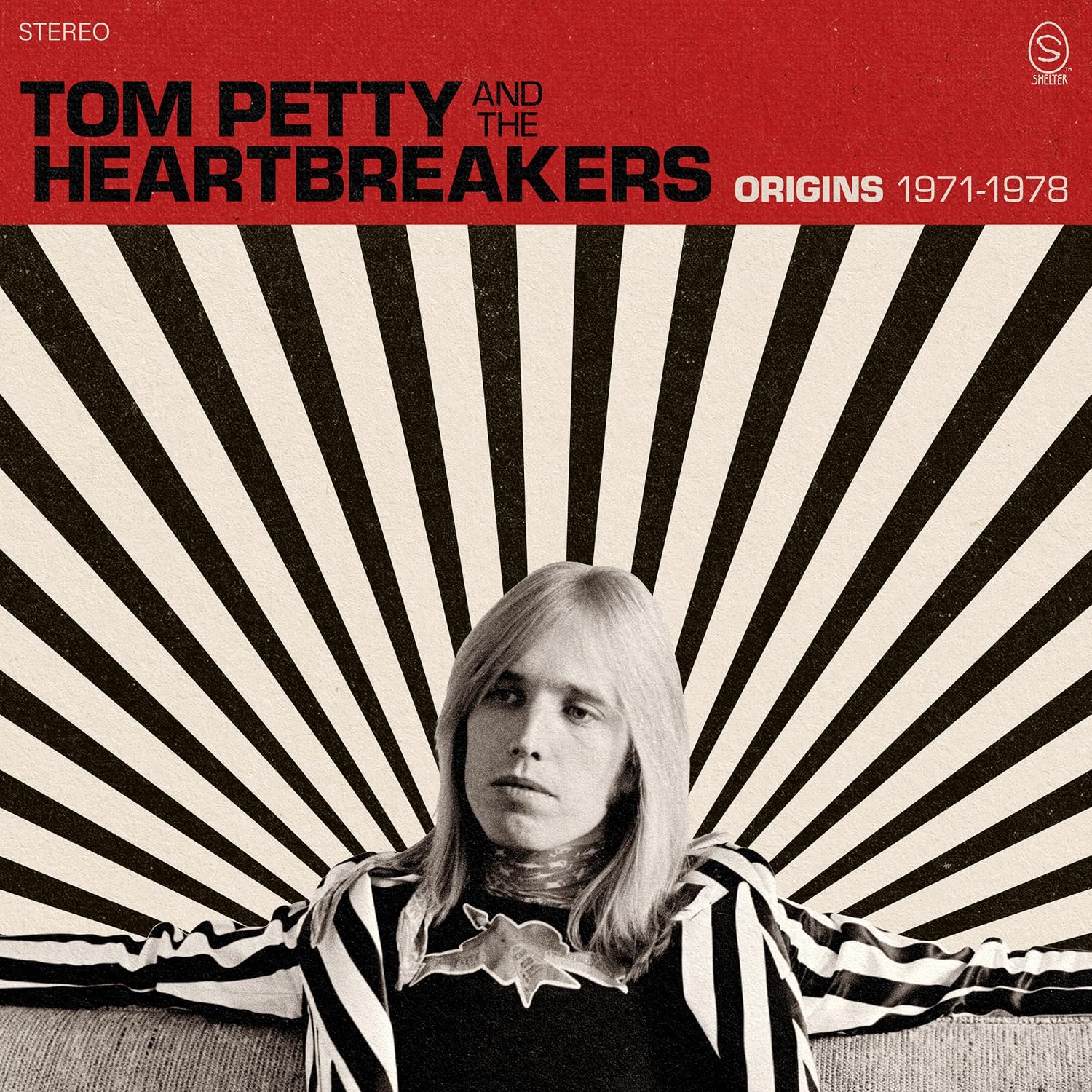
This past Friday saw the release of Tom Petty and the Heartbreakers: Origins 1971-1978. Released by Universal Music in conjunction with Petty’s estate, this four-CD box set chronicles the band’s first eight years. The first disc is made up of their earliest recordings — most of which were never released and some of which were performed by Mudcrutch. The second and third discs contain the band’s first two albums — Tom Petty and the Heartbreakers and You’re Gonna Get It — both with newly mixed tracks by Ryan Ulyate. The fourth disc is a live recording taken from a 1977 show at The Record Plant in Sausalito. There is also a 46-page fanzine as well as a DVD for completists.
And there you go: 10 songs in half an hour. Again — no one could accuse Petty of wearing out his welcome!
Tom Petty and the Heartbreakers was not an overnight sensation; far from it. In the UK, the album went Top 30 on the strength of “Anything That’s Rock ’n’ Roll” and the band’s tour with Nils Lofgren. But here in the States, it took a full year for it to enter the charts — and when it did, it only peaked at number-55! That said, the album got a fair amount of critical acclaim, it eventually went gold and, as mentioned earlier, “Breakdown” briefly hit the Top 40 singles chart. There was little to indicate that Tom Petty and the Heartbreakers would go on to become one of the great American bands of all time.
Petty and company hit pay dirt in 1979 with their third studio effort, Damn the Torpedoes. That album was a critical and commercial smash, spawning the hits “Don’t Do Me Like That,” “Refugee” and “Here Comes My Girl.” There would be several other peaks over the next 35 years or so — both with The Heartbreakers and without. The solo albums Full Moon Fever and Wildflowers were both major successes for Petty. Long After Dark, from 1982, is a great rock and roll disc to these ears. And Echo, from 1999, was a latter day masterpiece: sometimes sad and majestic, sometimes ragged and rocking. But the self-titled debut is where it all began — and it still sounds great 50 years on.

- The Wild One, Forever: ‘Tom Petty and the Heartbreakers’ at 50 - November 9, 2026
- Gumboots: Paul Simon’s ‘Graceland’ Turns 40 - August 27, 2026
- In Quintessence: Squeeze’s ‘East Side Story’ At 45 - May 15, 2026
You May Also Like
-
 January 24, 2023
-
 September 6, 2024
-
 October 2, 2022
