
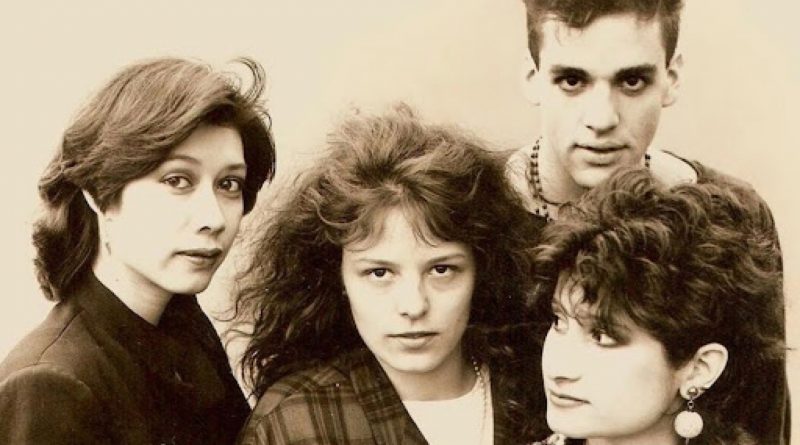
He Wrote the Book Of Love
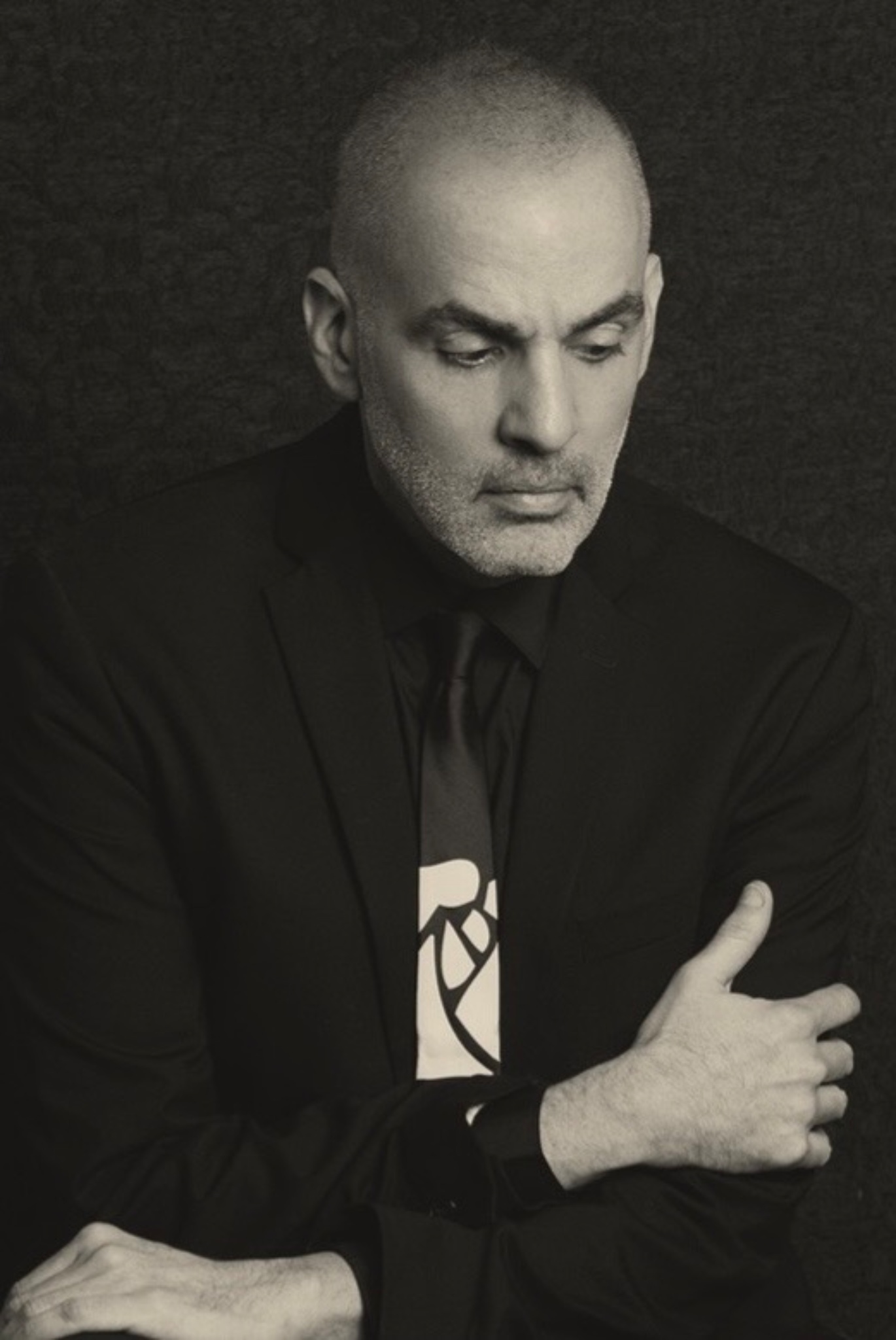
A Pride Parade interview with synthpop pioneer Ted Ottaviano
Gay culture in New York City, especially during the 1980s, enjoyed an amazing soundtrack.
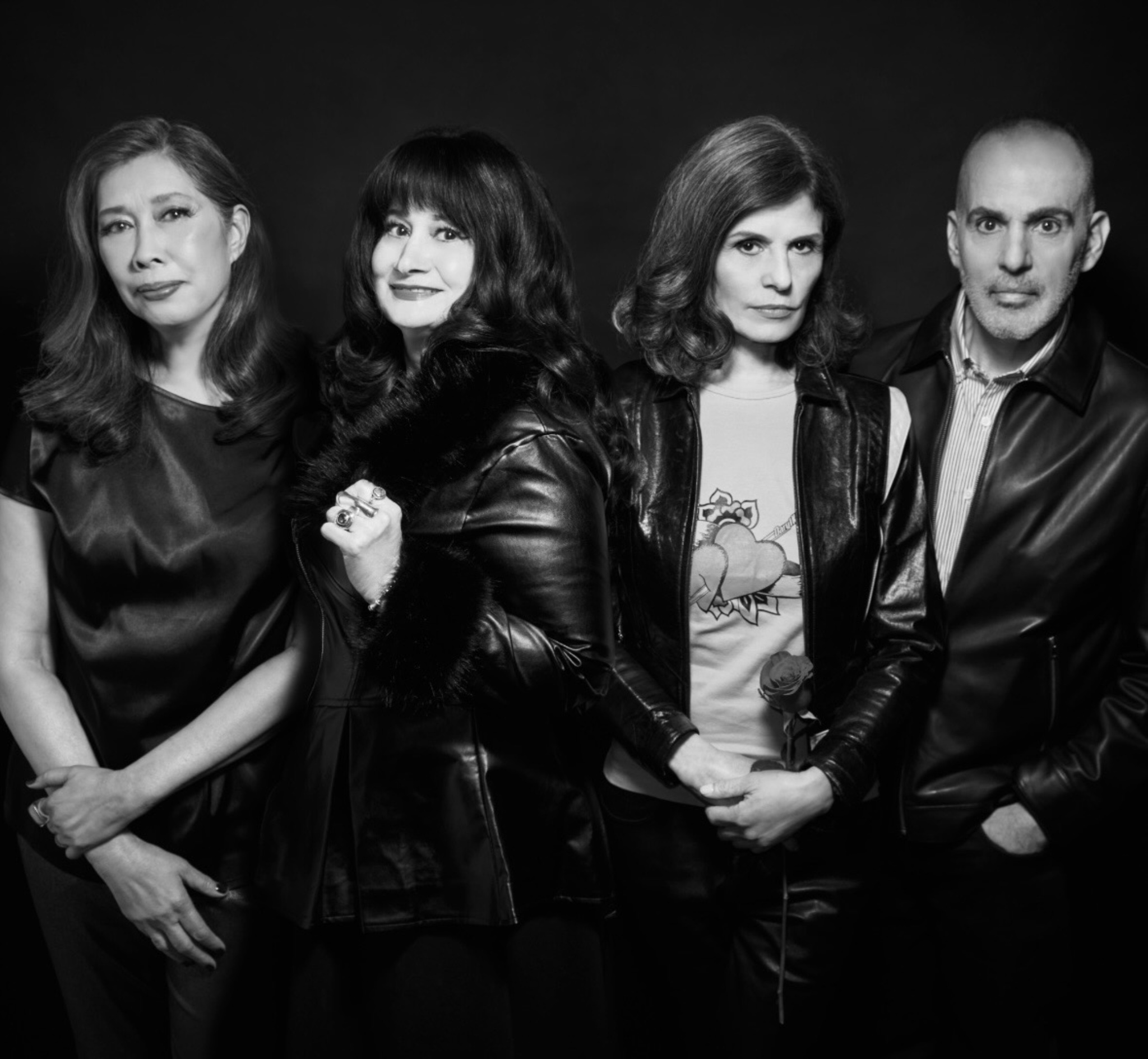
And one of the local groups who gave the movement some of its most vibrant colors is city-based synthpop pioneers Book Of Love, bringing a new ripple to American pop with classic singles like “Boy,” “I Touch Roses” and “You Make Me Feel So Good.”
Originally released on April 1, 1986, the quartet’s eponymous debut LP has been revamped and reissued for Pride Month this past Friday via Rhino Records. Remastered by its original engineer Ted Jensen, the album comes pressed in a crystal-clear vinyl with refreshed artwork in collaboration with original art director Nick Egan to honor the anniversary, including a four-page insert featuring outtakes from the iconic photo session with Michael Halsband.
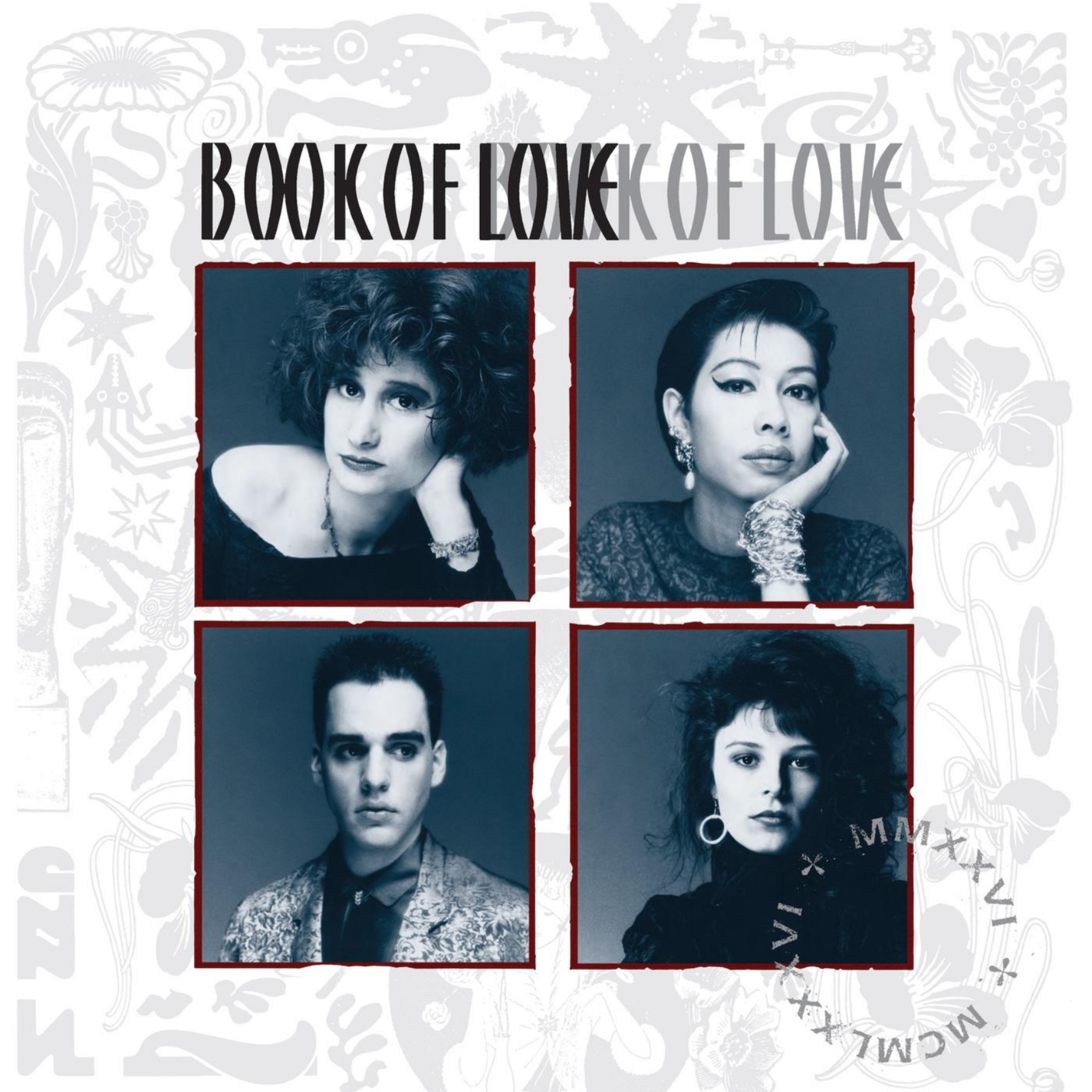
Furthermore, in celebration of this milestone release, it features new liner notes by writer and music historian Kurt B. Reighley, who sat down with founding members Susan Ottaviano and Ted Ottaviano to reflect on the album’s creation and its lasting cultural impact.
Listening to artists like Taylor Swift and Olivia Rodrigo in the modern age will certainly indicate how the synthpop sounds pioneered by Book Of Love still permeate the pop lexicon, rendering their legacy as crucial as any of their platinum-selliing contemporaries.
Rock & Roll Globe had the opportunity to chat with Ted about the reissue and the evolution of gay rights on the eve of New York’s big Pride Parade.
What was New York City like in 1983 for gay culture when Book Of Love first got together?
The East Village in the early ’80s was a golden era for gay culture. While the West Village had historically been New York’s gay mecca, the East Village became the center of gravity for a new generation. Cheaper rents and the backdrop of post-punk and new wave music attracted creatives and outcasts. It was an exciting time unpredictable but full of possibility.
How did you initially come into your sound? What artists or albums informed its direction?
Budget initially dictated the direction. I’d been writing songs since I was young, but after moving to New York City to attend art school, I was pretty broke. I bought a small Casio keyboard on Canal Street that was basically a toy, and ended up writing most of our first album on it.
That little keyboard opened the door to synthesizers and their incredible versatility. At the same time, i was hearing so many exciting records using synths. Low by David Bowie practically lived on my turntable, along with new tracks like “Electricity” by Orchestral Manoeuvres in the Dark and “Are ‘Friends’ Electric?” by Gary Numan. They were great pop songs that used this new technology, they were poppy but also dark and beautiful.
Was “Boy” inspired by a true story?
Yes. There was a new club in the East Village called Boy Bar, and they didn’t let women in. That felt pretty antithetical to the East Village spirit of inclusiveness.
So I wrote this sad little song about a girl who just wanted to “be where the boys are” but was “not allowed.”
VIDEO: Book Of Love “Boy”
What kinds of synths did you utilize to record the album and what led you to using them?
By the time we were signed, I had bought a used Roland Juno-6. So our first recordings, “Boy,” “Book Of Love” and “Happy Day” are pretty much all Juno.
Once we started working at Unique Recording, we were exposed to all kinds of synthesizers, including the new world of digital synths and samplers. Little by little, those sounds found their way into the album.
What was that first tour with Depeche Mode like? Were you fans going into the opening spot?
We had only played a few gigs for a handful of friends at that point, and then suddenly we were thrown into the fire. We knew it was a pivotal moment, so we did everything we could to step up. They invited us back the following year for the Black Celebration tour, and by the time we headed out on our own headlining tour, we were a well oiled machine.
We have nothing but love for Depeche Mode. They’re an important part of our history.
Based on Kurt’s wonderful liner notes, the group cites the likes of The Slits, Delta 5 and Liliput as some of your favorite groups. How did these acts inform your sound and approach?
We loved all-girl bands. The post-punk era unleashed a wave of them. They brought a raw, naïve energy along with a defiance from stepping into what was still a predominantly male domain.
We consider ourselves an all-girl band, with an asterisk 🙂
What were some of your favorite clubs in the city back in 1986? What radio stations were you tuned to?
I had a bunch. The NYC nightclub scene was unlike anything else. During art school, I made the rounds everywhere from Hurrah to the Mudd Club and Danceteria.
By the mid-’80s, my two favorites were Area and the Pyramid. Area was a spectacle, with themed interiors that changed regularly, a fab crowd of artists and fashionistas, and a sprinkling of celebrities. The Pyramid, on the other hand, was a black-box hole-in-the-wall in the East Village that became my stomping ground. It was there that we met DJ Ivan Ivan, who played our demo tape for Seymour Stein and ultimately helped get us signed at SIRE Records.
As for radio, we all listened to only one station: WLIR. It was almost impossible to get good reception from this little Long Island radio station in the city. We’d build crazy antennas out of tin foil and tilt the radio in all directions just to pull in a signal. But if you were into alternative music, it was the only choice.
A lot of pop music in the 2020s seems to take cues from the new wave and synthpop sounds of the mid-80s. What artists do you feel have carried on that style in your opinion?
A new wave of pop girlies have been creating some great synth pop tunes, Billie, Chappell, Olivia, Sabrina etc.
What new artists are you currently checking out these days?
Book Of Love!! LOL I’ve had my head in the studio all year working on pre-production for our tour.
How do you feel gay culture has evolved in 40 years? How much work is left to be done?
There has definitely been much progress over the last 40 years. Unfortunately, as of late there’s been a dark and ominous backdrop behind it all that threatens it.
This is no time to slow down… keep pushing forward and keep going.

- Artists Praise ‘Songs in the Key of Life’ for its 50th Anniversary - September 28, 2026
- Ringo Gets Back to the Garden - September 27, 2026
- Revisiting the ‘Magic’ of The Grateful Dead ’85 - September 24, 2026
You May Also Like
-
 October 16, 2023
 -
 September 11, 2018
 -
 February 3, 2019
