
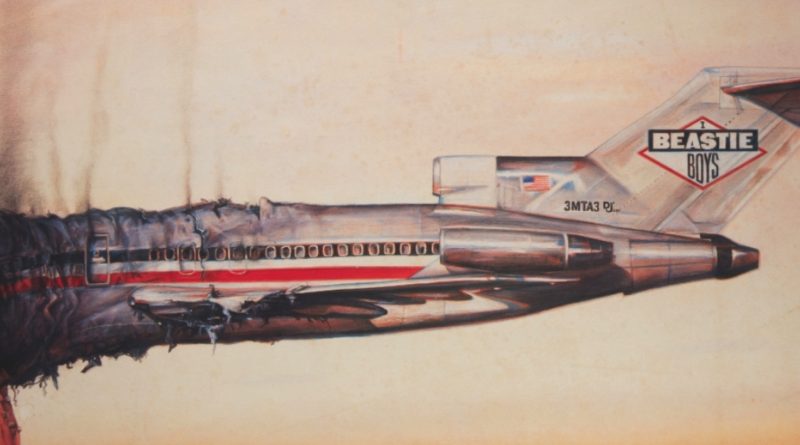
Some Kind of Jerk: Beastie Boys’ ‘Licensed to Ill’ Turns 40
Looking back on their mercurial debut LP
In 1985, the year I was born, my parents saw the Beastie Boys open for Madonna and hated them.
They weren’t alone. Madonna didn’t kick them off her tour at the absolute height of her fame, though she probably faced immense pressure to do so. She’d go on to sign Deftones.
In 2015, I was an associate editor at SPIN with firm convictions about the 300 Best Albums of SPIN’s First 30 years list we were planning. We were in a meeting making eliminations to narrow down the final 50 or so, and my boss suggested Paul’s Boutique as the highest rap album on the list. “That’s fine with me,” I said, then I pointed through the meeting room’s clear glass walls to VIBE Magazine next door. “But would you be able to say that to them?” Point taken, we went with 36 Chambers, right below Nevermind at No. 1.
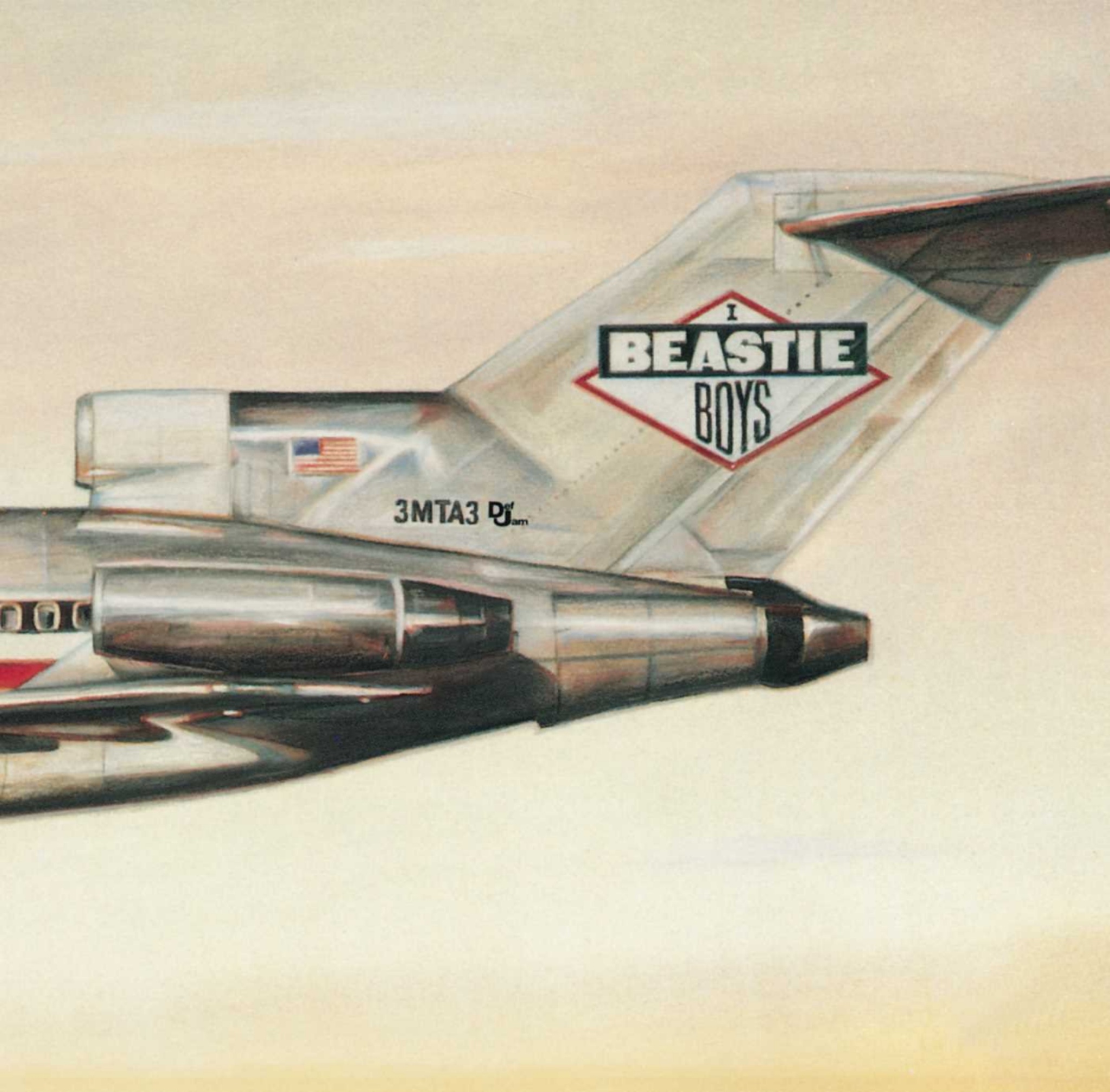
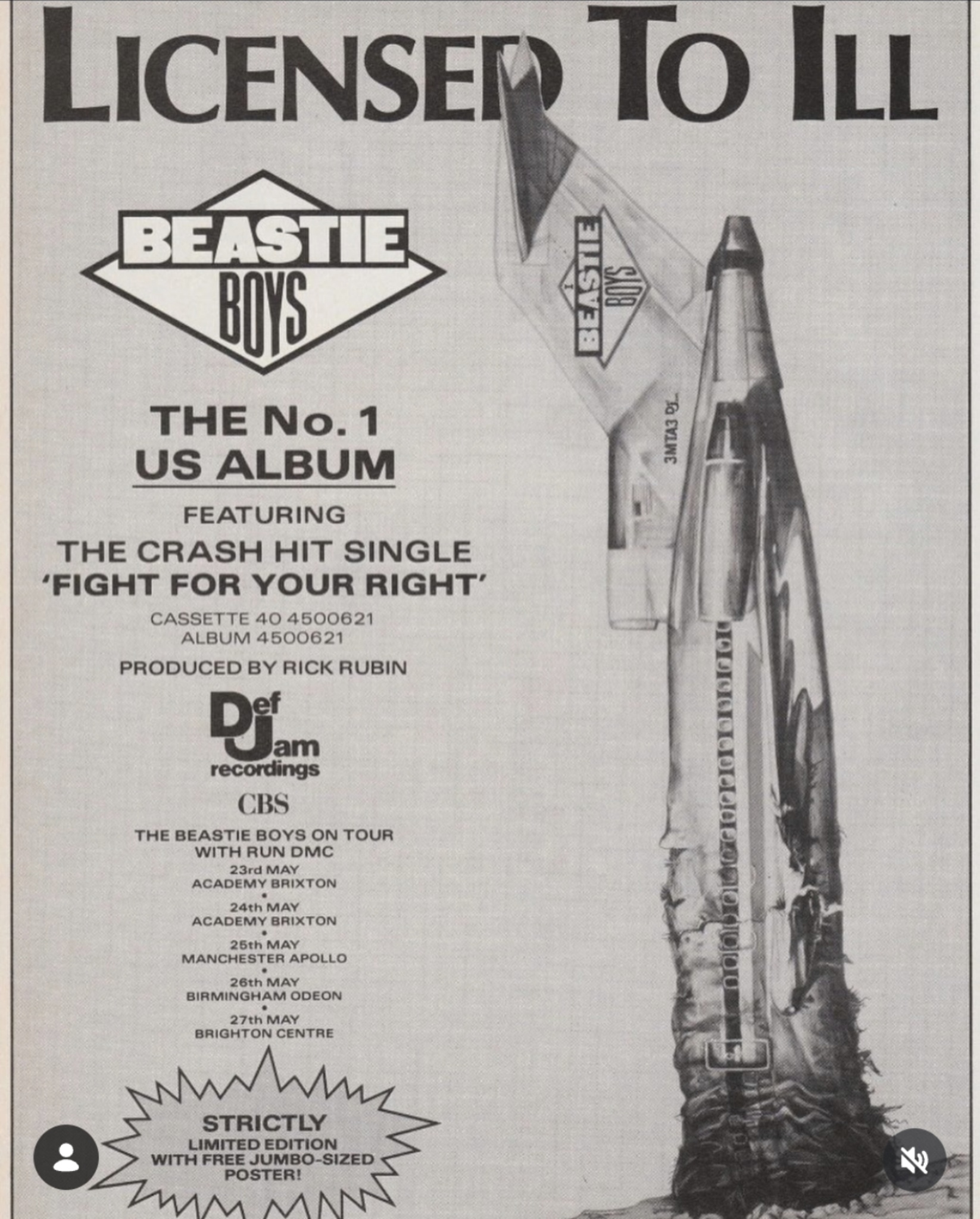
Those are the two most memorable discussions about the Beastie Boys I’ve ever had, and they’re instructional. Sure, there was a generational component to how the most legendary white rap group of all-time was received 30 years apart. But they also changed a fucking lot. Yeaterday, their full-length debut Licensed to Ill turned 40. It was rap’s first-ever No. 1 album on the Billboard 200, which could have been a fad, but instead it went on to go Diamond in the U.S., certifying more than 10 million copies sold.
It should go without saying that wouldn’t have happened had they released it under the planned title Don’t Be a Faggot, but in an America only just waking up on some kind of mass level to Trump’s disease, it’s hard to be so sure. Eventually, the group made clear they were as grateful as anyone they never had to find out.
The Beasties never did numbers like that again, but they concealed it well. With few exceptions like LL Cool J and Will Smith, they remained more popular and visible than most of their ’80s rap peers for the vast majority of their existence, scoring MTV hits in 1998 after Public Enemy and Run-D.M.C. were considered stale. That’s in large part because they successfully crossed over to the alternative rock audience as stars like Beck were turning their sample-crazy blueprint into what comes after post-grunge, while rap audiences moved onto gangsta leanings. But Jonathan Lethem also credibly alleges that Beastie Boys invented gangsta rap on their debut, if it’s “identifiable by first-person crime narrative, misogyny, drug and alcohol glorification and over-the-top violence.”
VIDEO: Beastie Boys “No Sleep Till Brooklyn”
Which makes it more unusual that their staying power had to do with their image running away from those tropes entirely, not unlike the former hardcore outfit’s kindred spirits in Minor Threat, who split up never wanting to mobilize white male skinheads ever again. The Ad-Rock, Mike D and MCA of the 1990s celebrated punk and funk, championed Buddhism and Tibetan freedom (the latter’s Tibetan Freedom Concerts were the biggest charity events in music since Live Aid), and traded frat-boy piggishness for goofy costuming in videos like “Sabotage” that everyone could enjoy without being subjugated. They even personally asked the Prodigy to not perform “Smack My Bitch Up” at Reading.
But we are here to celebrate the complicated legacy of their debut, which is great fun despite Mike D boasting on track 2 that “the girlies that I like are underage.” When people argue “it was a different time,” it’s not necessarily that it was acceptable to brag about liking underage girls. It’s that they were trying to provoke the establishment, the idea that Tipper Gore’s newly formed PMRC made common decency a target for vulgar, expressionist rock and roll to tear down.
The Boys’ macho posturing was always informed by cartoon archetypes so it wasn’t that hard for them to leave the corner into which they painted themselves. On the riotously catchy-and-even-dumber classic “Girls,” Ad-Rock sends up the Isleys’ “Shout” pining for “girls to do the dishes / girls to clean up my room / girls to do the laundry / and in the bathroom.” He gets what he deserves at the end; he catches his crush all “jockin’ Mike D to my dismay.” Whatever he or the world thinks of that song now, he’s in on that joke in the first place. They enjoyed mocking society and themselves by portraying creeps while crucially understanding that creeps lose. They were not supposed to run the world, Elon-style. They were supposed to sulk over three boneheaded Kerry King power chords because mom threw out their best porno mag.
If you couldn’t tell that “(You Gotta) Fight for Your Right (to Party)” was a joke from the very sight of those ridiculous double parentheticals, you could not hang. The other major address of a woman on Licensed to Ill was “She’s Crafty,” who’s “just my type” because she’s as devious as them. The underage joke even fits in between the two songs surrounding “The New Style” because it explicitly references Jimmy Page and “She’s Crafty” made a meal of Page’s immortal riff from “The Ocean.” On the other side of it is “Rhymin’ & Stealin’,” which summed up the real ultimate white-boy fantasy: the guitar from Black Sabbath’s “Sweet Leaf” over the drums from “When the Levee Breaks.” The legacy isn’t that complicated, but thank God they didn’t get to name it Don’t Be a Faggot.
Otherwise it’s a party thrown by what Christgau correctly termed “three jerkoffs” trading goofy taunts over a spare drum machine they got new tricks out of (like reversing it on “Paul Revere”) and blasts of chunk-guitar just like their buddies in Run-DMC who wrote “Slow and Low” for them. “Slow Ride” makes no secret of appropriating “Low Rider” just like “No Sleep Till Brooklyn” does Motörhead. The eternal squeal of “Brass Monkey” has outlasted the actual prepackaged beverage. Run-D.M.C.’s Raising Hell isn’t much different at all, just substitute on-call Slayer for Aerosmith, though that might be why Hollis’ finest felt the need to include “Proud to Be Black,” something this trio couldn’t also do.
VIDEO: Beastie Boys “(You Gotta) Fight For Your Right”
It’s always been crucial to the Beasties’ legacy that their comically exaggerated voices were caricatures of white shitheads, not anyone else. To my knowledge, they’ve never been idiots about race. Eminem has, but for the most part he also succeeded artistically (commercially is a much more exhausting topic) by dissecting his privilege front and center on a track like “White America.” But it would also be nice if Black rappers like Ice-T who provoked to entertain weren’t treated as serious by contrast, when a song like “KKK Bitch” was as impossible to take literally as “Girls.” It’s to the Beasties’ credit (and those obnoxious cadences) that no one has ever accused this stuff of being serious. That doesn’t necessarily mean it’s aged well to boast about one’s taste for the underage. But it doesn’t disrupt the intent of the art, or the mood to time-warp back to it.
If you’re listening to Licensed to Ill at 40, you’re seeking a retrograde food-fight that holds up so much better than it should. Then, God help us, they evolved.

- Some Kind of Jerk: Beastie Boys’ ‘Licensed to Ill’ Turns 40 - November 16, 2026
- Earth Lessons: Ghostface Killah’s ‘Ironman’ Turns 30 - October 29, 2026
- Guess Who’s Coming: DJ Shadow’s ‘Endtroducing…..’ Turns 30 - September 16, 2026
You May Also Like
-
 July 16, 2023
-

-
 December 31, 2021
