
Trevor Dunn: From Mr. Bungle to ECM
A fast-and-furious interview with the genre-defying bassist
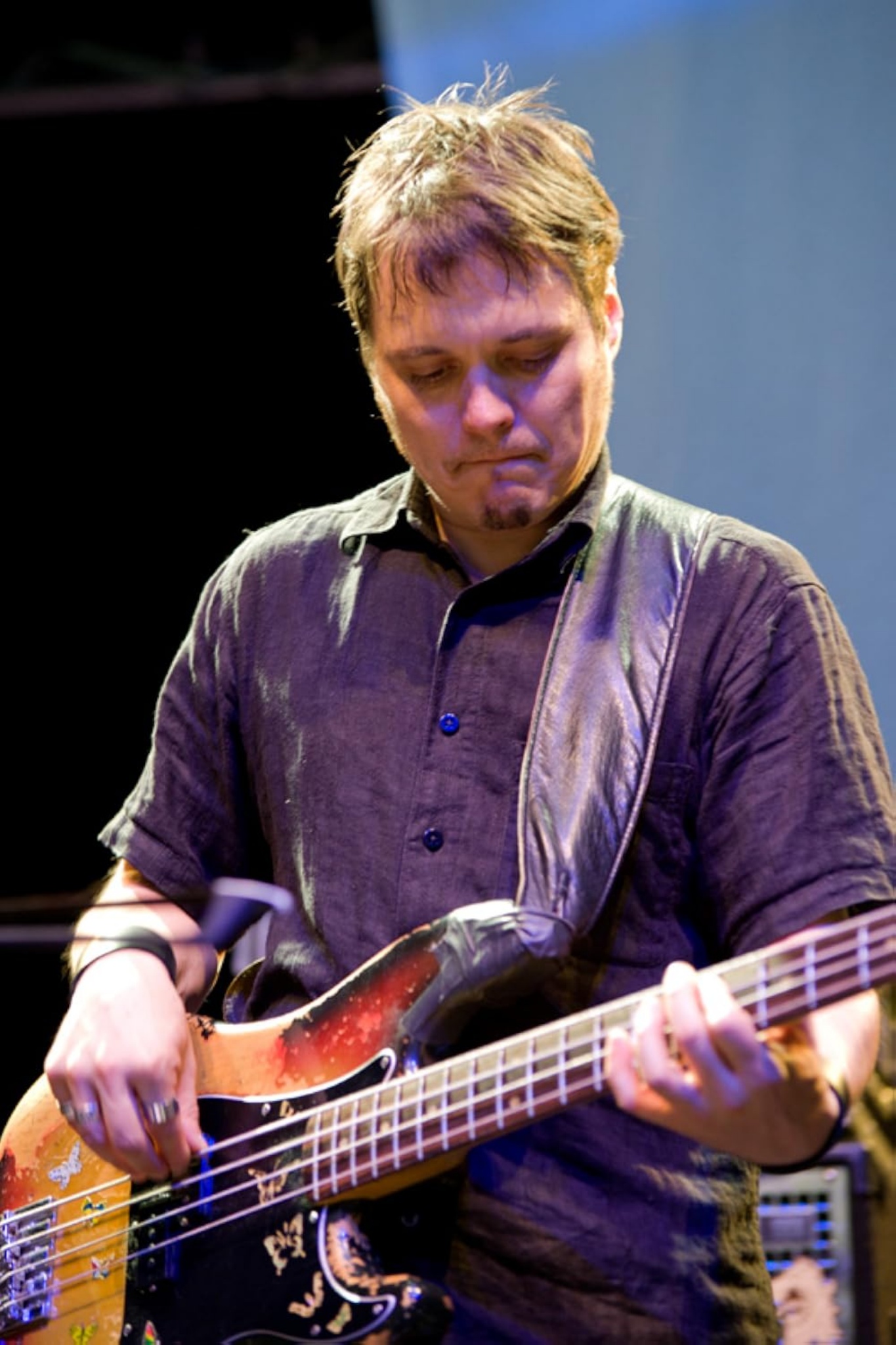
Few figures in modern music have surfed the slipstream between jazz and metal quite like bassist Trevor Dunn.
As an original member of North California sonic polymaths Mr. Bungle, Dunn has spent the last 40-plus years throwing continuous lefthand creative turns with classic works like 1988’s OU818, 1991’s self-titled major label debut, 1995’s Disco Volante, 1999’s California and 2020’s remake of The Raging Wrath of the Easter Bunny Demo. Dunn is also a member of fellow Bungle bandmate Mike Patton’s post-metal powerhouse Tomahawk, who recently wrapped up a 25th anniversary tour — their first time on the road since 2013 — with an upcoming show at The Belasco in Los Angeles, California.
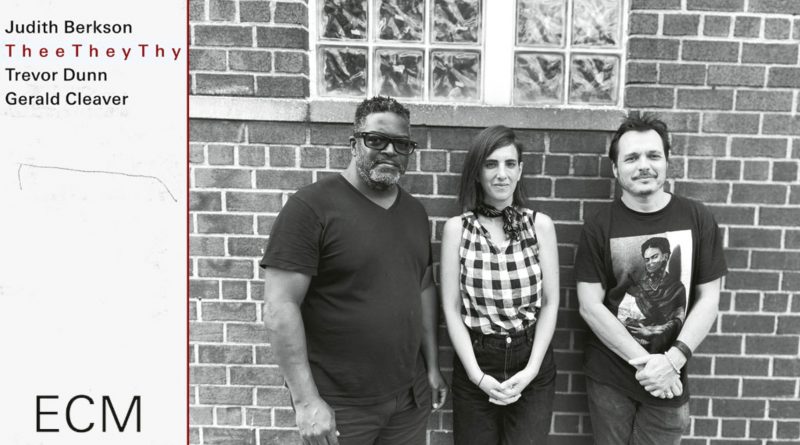
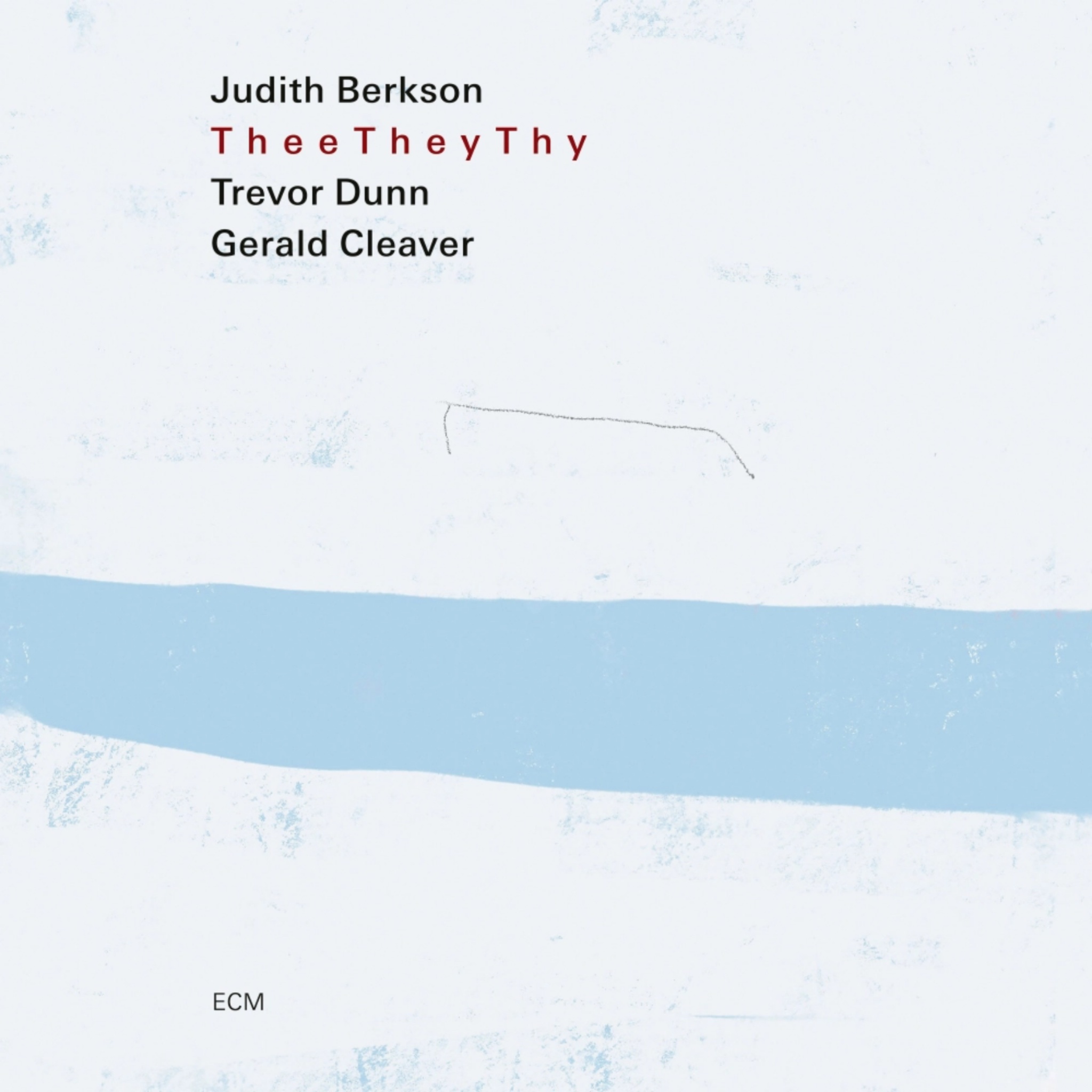
However, when it comes to his work in jazz, this year might be one of Dunn’s most accomplished to date as he makes his debut appearance on an album released by renowned German imprint ECM Records. In this case, it’s the remarkable new LP by pianist/vocalist Judith Berkson, Thee They Thy, which features Trevor on double bass and the great Gerald Cleaver on drums.
Rock & Roll Globe had the chance to email Mr. Dunn about working for ECM, the 35th anniversary of Mr. Bungle and more.
As someone who has been a fan of Mr. Bungle for over 35 years, seeing your name on an ECM album makes me very proud, and I was wondering what your take on this particular achievement and what it means to you.
It makes me proud as well, and I can add ECM to the roster of labels I grew up with and somehow ended up on such as Warner Bros and Blue Note. As a fan of much of the music on ECM since I started playing bass I am filled with a sense of both pride and disbelief in the sense that ‘how am I on this list of musicians?’
How did you get involved with Judith Berkson for the making of Thee They Thy?
I’ve known Judith for sometime via the community of musicians in Brooklyn and she reached out to me directly about this project.
How did you first connect with Judith in Brooklyn?
I don’t remember exactly. I moved to NYC in 2000 so it was sometime after that. I’m a fan of her Leiderkris project and would occasionally see her play at Barbes or other local venues.
What was your experience like with Mr. Cleaver as a rhythm section?
Playing with Gerald is always fun and full of surprises. His sense of dialogue —whether complimentary or otherwise—is inspiring to say the least. He also has a beautiful touch and knows how to make the ensemble gel.
How far do you go back with Gerald?
10 or 15 years? I’ve played trio with him and Chris Potter at the vision festival, and as a guest in Gerald’s Black Host a couple times.
Given your history with working alongside a vocalist as versatile as Mike Patton, how did your previous experiences inform your approach to working on this album with Judith, a mezzo soprano and cantor?
I’ve worked with many vocalists over the years, but Judith is, to me, first and foremost, a musician. When I’m playing with another musician I am thinking about our wordless dialogue, not necessarily the instrument they are playing. That said, vocalists often need a certain grounding from the bass player, which may translate as just keeping things simple and functional so that the melody can dance around them. I would guess to say that all bass players know this roll.
Who inspires you as a double bassist and why? Your solo on “Amerika” is fantastic.
Thank you. I have many influences as an upright player — the usual suspects in the jazz world — Ray Brown, Scott Lafaro, Mingus, Slam Stewart. But my playing on Judith’s record is very much informed by the music she wrote. There is a stark and stoic approach to these compositions. What keeps my playing fresh is the music that is brought to me in the moment.
How did you come into discovering ECM Records as a music fan?
Probably Bright Size Life was my first ECM record, for obvious reasons. As a young player I was checking out everything Jaco played on, learning Metheny’s tunes from fake books, trying to decipher the marriage of electric bass in jazz roots. Eventually I was checking out Keith Jarrett and Steve Swallow among others.
If you were asked by ECM to lead your own trio for an album, who would you include and why?
That is a vast question I would have to contemplate — it would probably be along the lines of the previous record I mentioned.
I was just listening to your album with Colin Stetson and Greg Fox, Nethering. How did that album come together?
We got together initially for a live show put on by a mutual friend. We all met on stage as we were about to improvise for the first time. It went so well that we toured Europe (in 2017 I believe) then went into the studio. It sat on the shelf for a few years before being released.
What were the studio sessions for Nethering like?
I believe it was one day in the studio. We improvised for several hours and then selected the best stuff. If memory serves me, we were all in one room– not separated by iso booths.
Tomahawk just wrapped a brief reunion tour. What has it been like for you to be in this particular band with Duane, Mike and John for the last decade of their 25-year existence?
Duane writes all the music and it’s really fun stuff to play. The bass lines are pretty straight forward so I can just “rock out” but there are enough twists and turns to keep me on my toes. It’s kind of the most straight forward rock band I’ve played in lately, plus I get to sing some harmony. Also, since it’s not ‘my’ band, I get relieved of having to make any logistical decisions. I can just show up and and do my job!
This month marks the 35th anniversary of the Mr. Bungle Warner Bros. album. What is your favorite memory of creating this masterpiece?
That was the first time we were in a “real” studio — that is, 24-tracks, lots of room to sprinkle some fairy dust on everything; percussion, B3 organ, samples, etc. So, it was the beginning of our ‘kids in a candy store’ approach, and that is a lot of fun.
What was John Zorn like as a producer?
He essentially showed up to help us mix the record and was very open to us having the final say on any ideas. Ultimately he reeled us in if you can image that. He worked tightly with our engineer David Bryson. They’d set up a mix in the early part of the day and we would come in later to give our two cents.

- Bob Dylan Unveils 1976 Rolling Thunder Revue Live Recordings - September 15, 2026
- Brazil’s Oruã Announces Career Retrospective - September 15, 2026
- Fulton Lights Announces New LP ‘Best World’ - September 14, 2026
You May Also Like
-
 October 16, 2022
 -
 June 21, 2021
 -
 April 29, 2019
